Block paving looks simple from above. A car park, a courtyard or an entrance path is just a tidy pattern of blocks sitting on the ground. The part that actually keeps it stable, level and draining properly is the part you cannot see: the setting sand underneath each block and the jointing material between them. Get those two things right and paving lasts twenty years or more. Get them wrong and you see rutting, rocking blocks and weed growth within a couple of winters.
This matters across Scotland in particular, where freeze and thaw cycles, heavy rainfall and salt-laden winter gritting all attack a poorly built surface. Below we explain what setting sand and jointing do, why they fail, and what good practice looks like.
What setting sand actually does
Setting sand, sometimes called laying course or bedding sand, is the layer the blocks sit on, usually 30 to 50mm deep over a compacted sub-base. It is not there to carry the load on its own. The sub-base of crushed stone underneath does most of that work. The setting sand has three jobs:
- It gives each block a firm, even seat so the surface sits flat.
- It lets blocks settle slightly under traffic and lock together as a whole.
- It allows water to drain through rather than pooling on the surface.
The sand has to be the right type and the right moisture content. Sharp sand or grit sand with a controlled grading works well. Building sand, which is too fine and too soft, holds water, slumps under load and is a common reason a job fails early. If the sand is laid too thick to hide a poorly prepared sub-base, the blocks sink unevenly as soon as vehicles run over them. A 50mm setting layer is a maximum for a reason, not a place to dump excess material.
Why jointing is not just a finishing touch
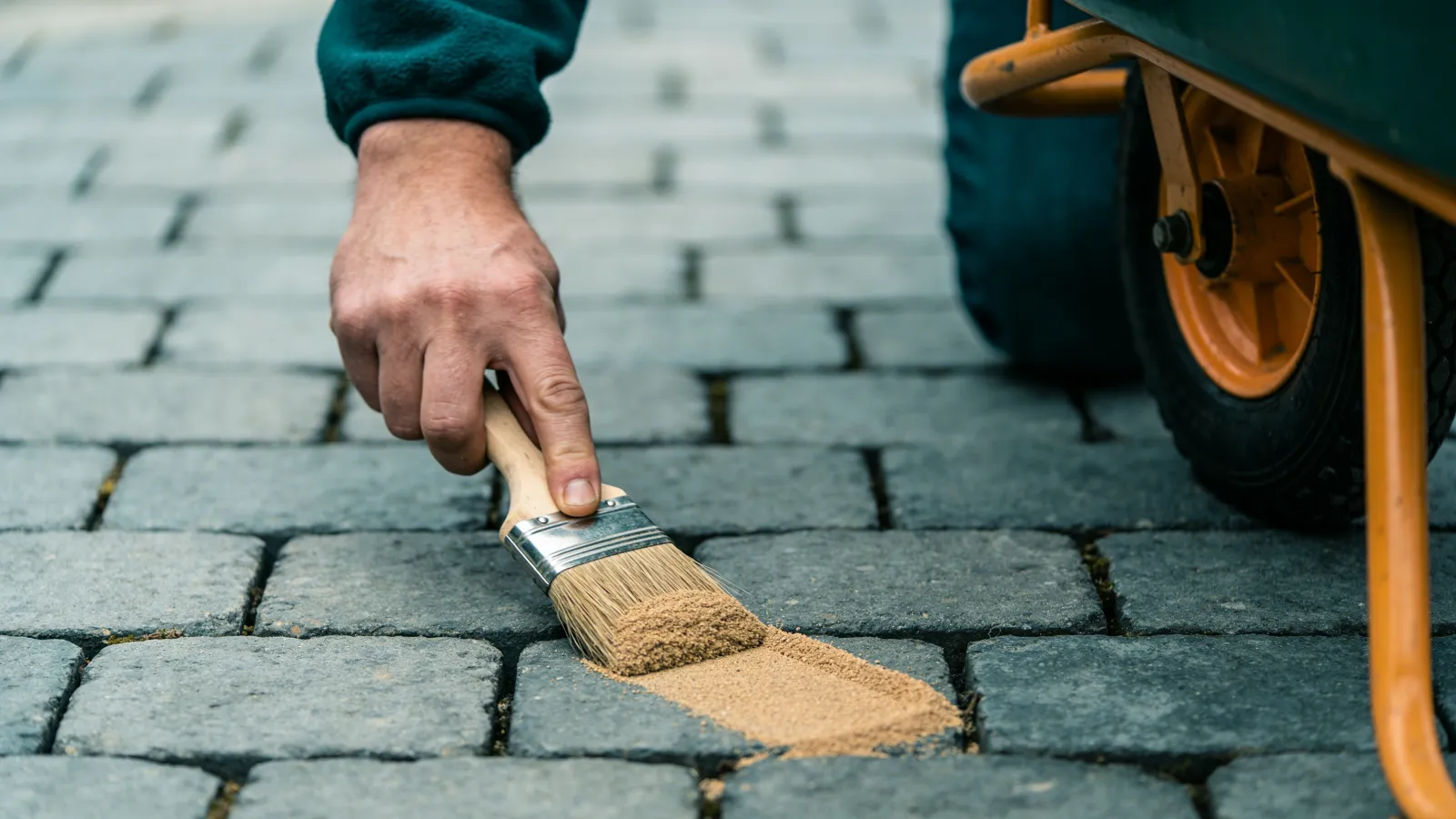
Jointing is the fine material brushed into the 2 to 5mm gaps between blocks once they are laid. People often treat it as a cosmetic last step. It is structural. Block paving works as a flexible system: load on one block spreads sideways through the joints into neighbouring blocks. Without firm, full joints, each block acts alone, rocks under load and works loose.
There are two broad approaches:
- Kiln-dried sand, the traditional choice, is cheap and easy to top up but washes out in heavy rain and lets weeds and moss seed in the joints.
- Polymeric or resin-bound jointing sand sets firm once watered, resists wash-out, suppresses weed growth and holds up far better on slopes and exposed sites.
For a Scottish site exposed to driving rain, a stabilised or polymeric joint usually pays for itself by cutting years of weeding and re-sanding. Whatever the material, the joints must be filled fully and the surface compacted with a plate compactor so the sand beds right down. Half-filled joints are where failure starts.
How poor sand and jointing show up later
Most block paving problems trace back to the bedding or the joints, not the blocks themselves. Watch for these signs:
- Rutting or dips where vehicles turn or brake, pointing to soft or over-thick setting sand.
- Blocks that rock underfoot, meaning joints have emptied and load is no longer spreading.
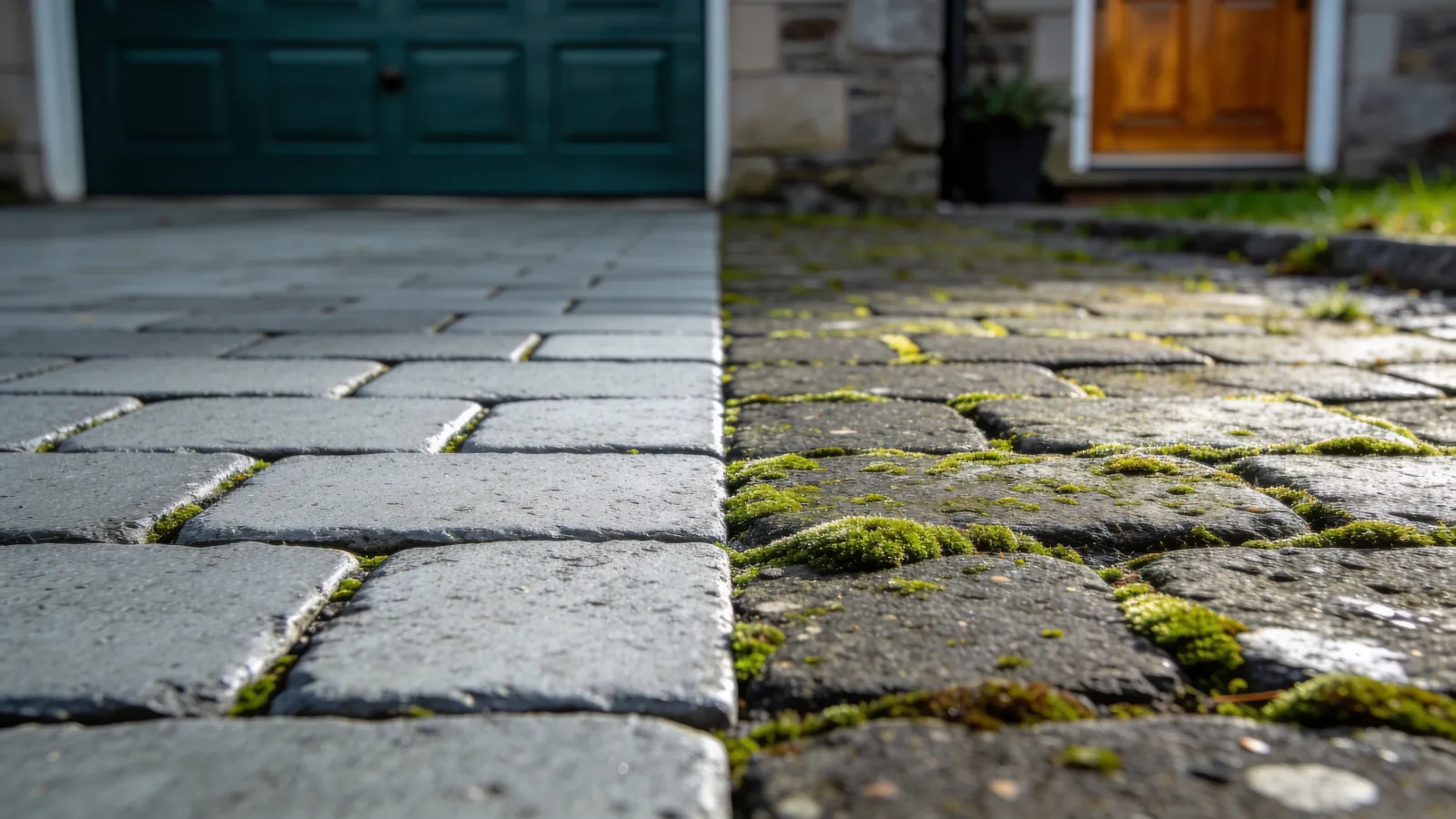
- Weeds and moss in the joints, a sign the jointing has washed out or was never compacted in.
- Standing water after rain, suggesting the sand has clogged with fines and lost its drainage.
Left alone, these get worse quickly. Empty joints let more water in, water softens the bedding, soft bedding lets blocks move, and movement empties more joints. A small re-sanding job at year three becomes a full lift and relay at year six. Acting early is far cheaper, which is why a yearly check matters for car parks, entrances and any trafficked paving on a managed property.
Maintenance that keeps paving sound
Block paving is low maintenance, not no maintenance. A sensible routine for a commercial site looks like this:
- Brush and clear the surface a few times a year to stop debris clogging the joints.
- Top up jointing sand every two to three years, or sooner on busy or sloped areas.
- Treat weeds and moss promptly before roots open the joints further.
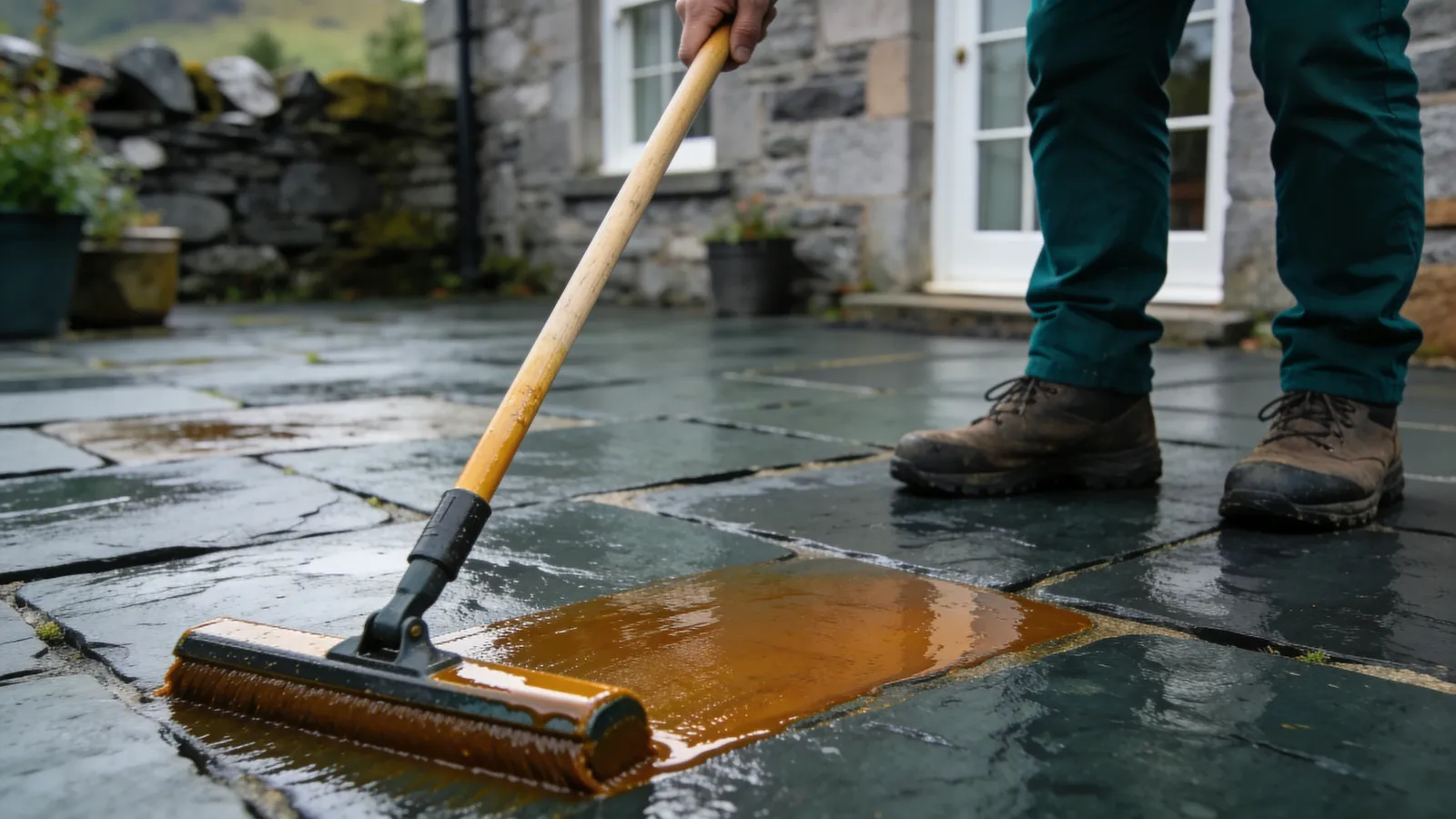
- Reseal or re-stabilise joints on exposed sites as part of a planned cycle.
At ORVO Group we handle this as part of wider grounds and hard-surface upkeep, so a worn courtyard or a tired car park gets put right before it needs a full rebuild. One contact, one accountable team, across the whole property.
Getting it right from the start
Setting sand and jointing are the difference between paving that holds firm and paving that fails early. They are cheap to do well and expensive to ignore. If you are planning new paving, fixing a surface that has started to move, or simply want a clear maintenance plan, our specialist services service covers the full job from sub-base to joints. To talk through your site, get in touch and we will take a look.