Steam cleaning and jet washing both shift dirt that ordinary mopping leaves behind, but they work in completely different ways. Picking the wrong one can damage a surface, waste a half day of labour, or simply fail to clean. This guide explains what each method does, where it belongs, and how to choose with confidence for property across Scotland.
How the two methods actually work
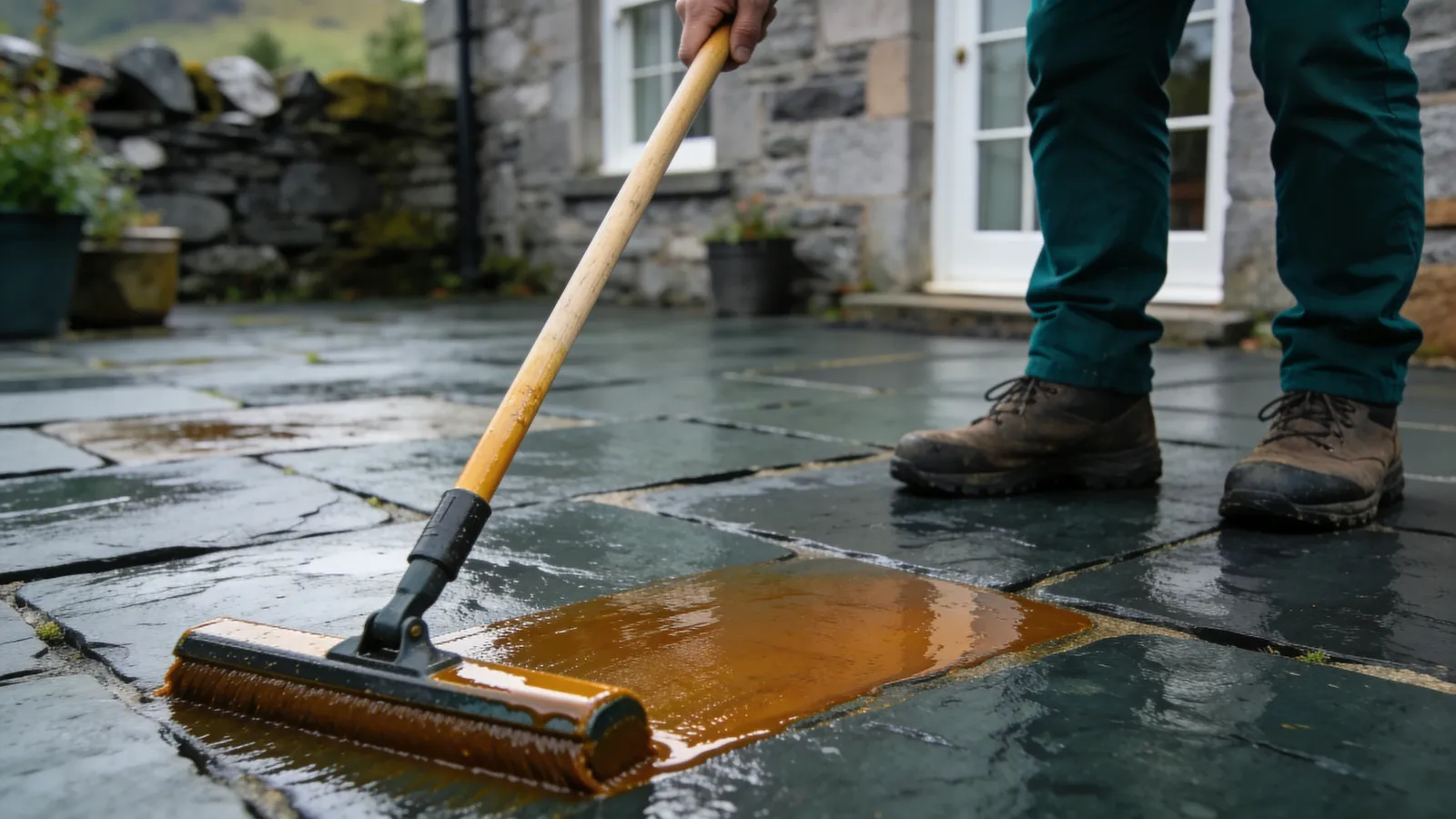
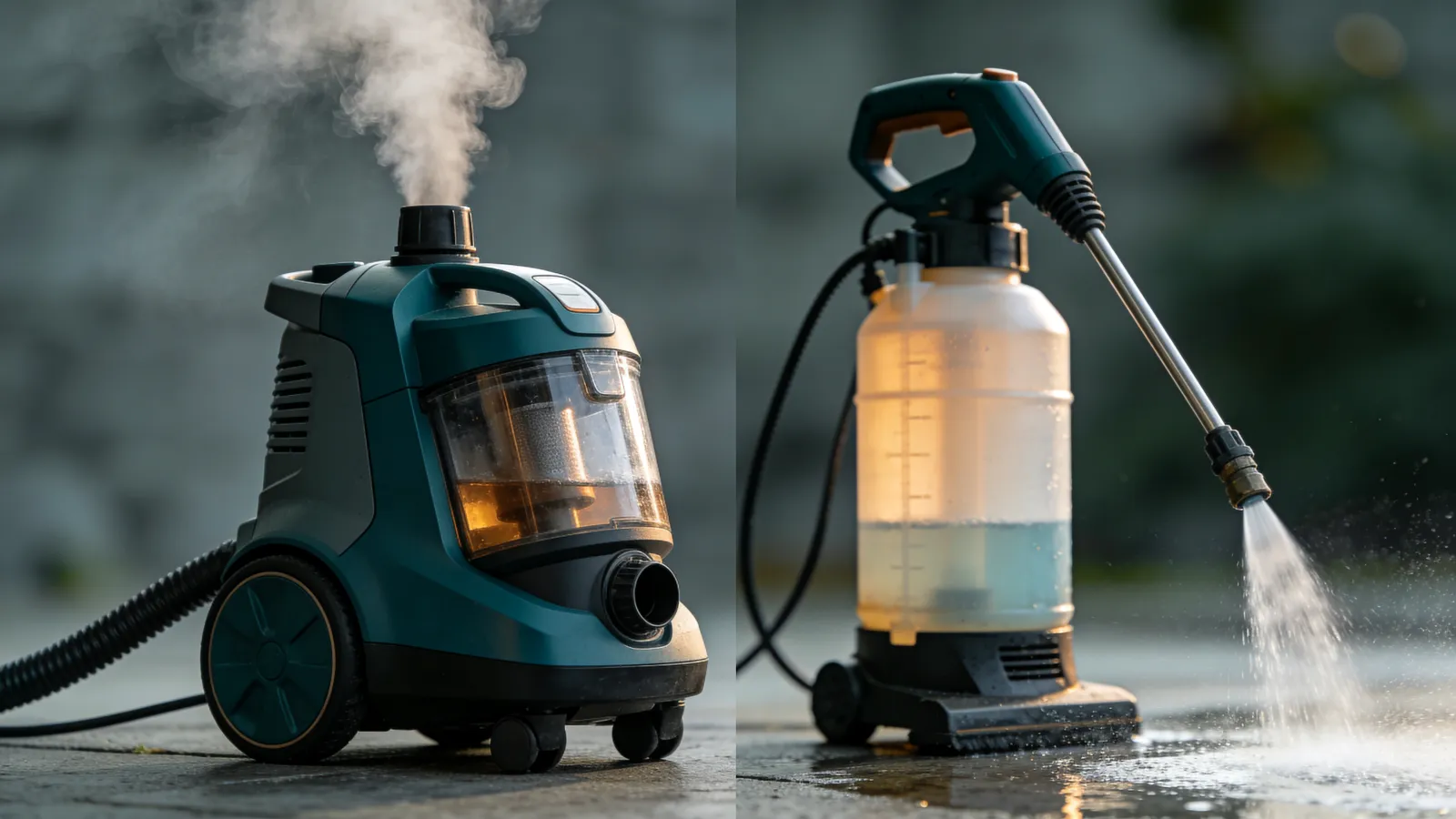
Jet washing (often called pressure washing) drives water at high pressure, typically between 100 and 250 bar for commercial work, to blast away ingrained grime, moss, algae and loose coatings. The cleaning power comes from force. It needs a water supply, makes a noticeable amount of mess and spray, and moves a lot of water across a surface.
Steam cleaning uses water heated to roughly 120 to 160 degrees Celsius, delivered as dry vapour at far lower pressure. The cleaning power comes from heat, which loosens grease and kills bacteria and dust mites without flooding the area. It uses a fraction of the water, around one to two litres per minute against the 8 to 15 litres a pressure washer can get through.
That difference matters in practice. Jet washing is a heavy outdoor tool. Steam is a controlled, low moisture method suited to surfaces and settings where you cannot soak everything in cold water.
When jet washing is the right call
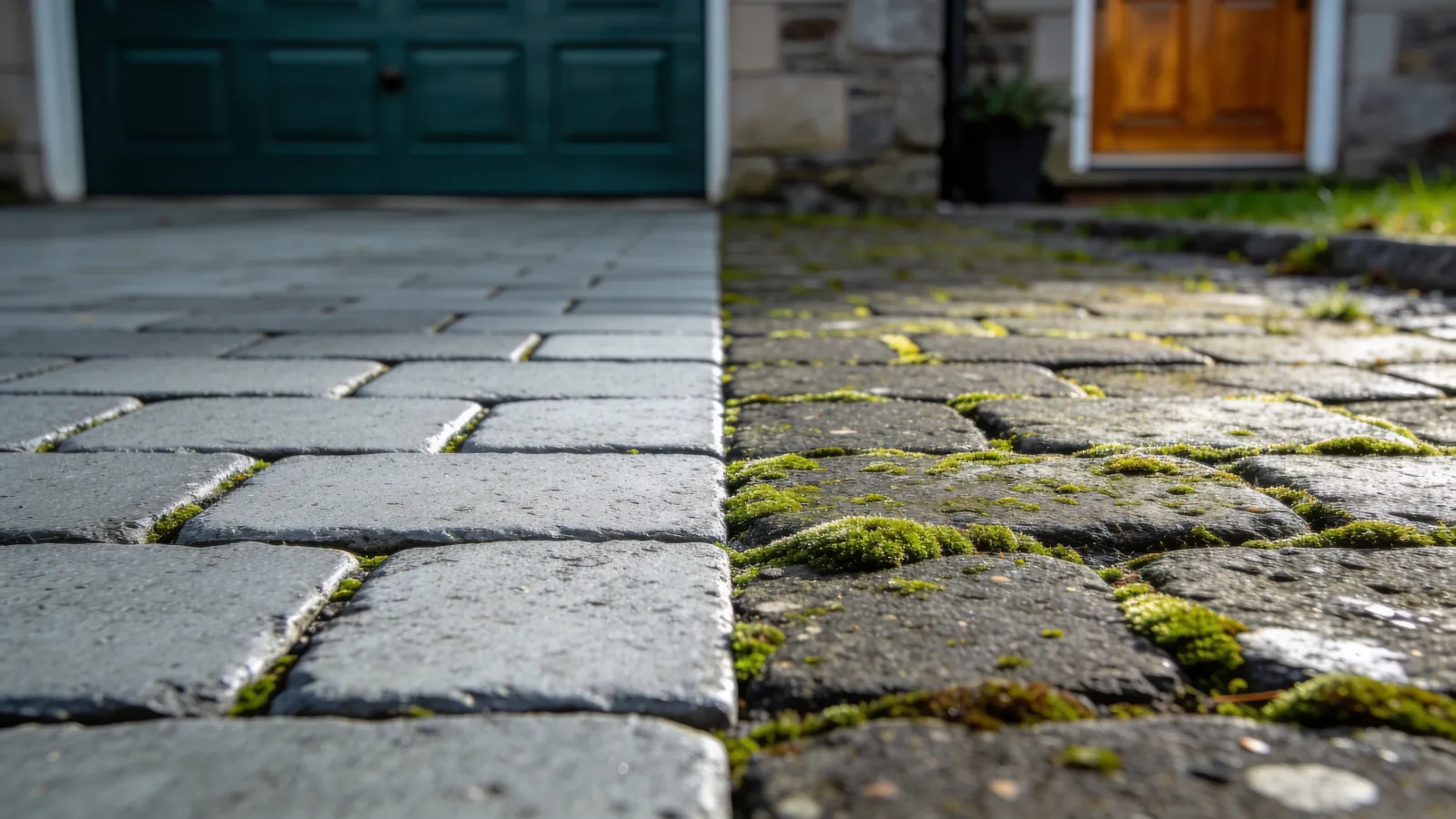
Reach for a pressure washer when the surface is hard, weatherproof and outdoors, and the dirt is stubborn. In Scotland's damp climate, green algae and black spotting build up fast on north facing paths and walls, and jet washing clears it quickly.
Good candidates include:
- Block paving, concrete and stone driveways
- Car park surfaces, loading bays and service yards
- External cladding, render and brickwork (at the correct pressure)
- Bin stores and refuse areas that need degreasing and deodorising
- Patios, decking (with care) and garden walls
A few cautions. Soft sandstone, lime mortar and older masonry can be eroded by high pressure, so a competent operator drops the bar rating and uses a wider fan nozzle, or switches to a softer chemical assisted wash. Block paving usually needs re sanding afterwards because the jet strips the joints. And anything near windows, electrics or air bricks needs shielding. A typical commercial driveway of 50 square metres takes around two to three hours including setup.
When steam cleaning wins
Steam comes into its own indoors, on detailed surfaces, and anywhere hygiene matters more than brute force. Because it sanitises as it cleans and uses little water, it suits occupied buildings where you cannot close a space off to dry for hours.
Steam is the better choice for:
- Commercial kitchens, food prep areas and stainless steel
- Washrooms, tiling and grout where bacteria and limescale gather
- Chewing gum removal from pavements and entranceways
- Upholstery, mattresses and soft furnishings in care or hospitality settings
- Sensitive surfaces where chemicals are unwelcome, such as nurseries and clinics
The heat does the work, so steam often removes the need for harsh detergents, which helps with both indoor air quality and COSHH paperwork. It is slower than jet washing over large flat areas, and it is not the tool for clearing a whole car park, but for precision and sanitation it is hard to beat. Gum removal, for instance, runs at roughly 20 to 40 pieces an hour from a busy shop frontage.
A quick decision checklist
When you are weighing the two, work through these questions:
- Is the surface indoors or out? Indoors usually points to steam.
- How hard wearing is the material? Soft or old masonry favours steam or low pressure.
- Does the area need sanitising, not just cleaning? Choose steam.
- Is there a large flat outdoor area covered in moss or algae? Choose jet washing.
- Can the space be soaked and left to dry? If not, steam keeps moisture low.
Many real jobs use both. A restaurant might have its yard and bin store jet washed while the kitchen and washrooms are steam cleaned the same visit. At ORVO Group we plan these as a single scope so you deal with one team and one schedule rather than booking separate contractors for each.
Getting the result you want
The method matters, but so does the operator. Wrong pressure ruins pointing, and steam used carelessly can mark heat sensitive finishes. A short site assessment, where someone checks the surfaces, water access and drainage, prevents most problems before they start. For recurring needs such as a quarterly external clean or weekly kitchen sanitisation, a planned schedule keeps the property consistent and spreads the cost.
If you are not sure which method suits your property, that is exactly the kind of question worth asking before work begins. Take a look at our specialist services service, or get in touch and we will recommend the right approach for your surfaces, your timings and your budget.