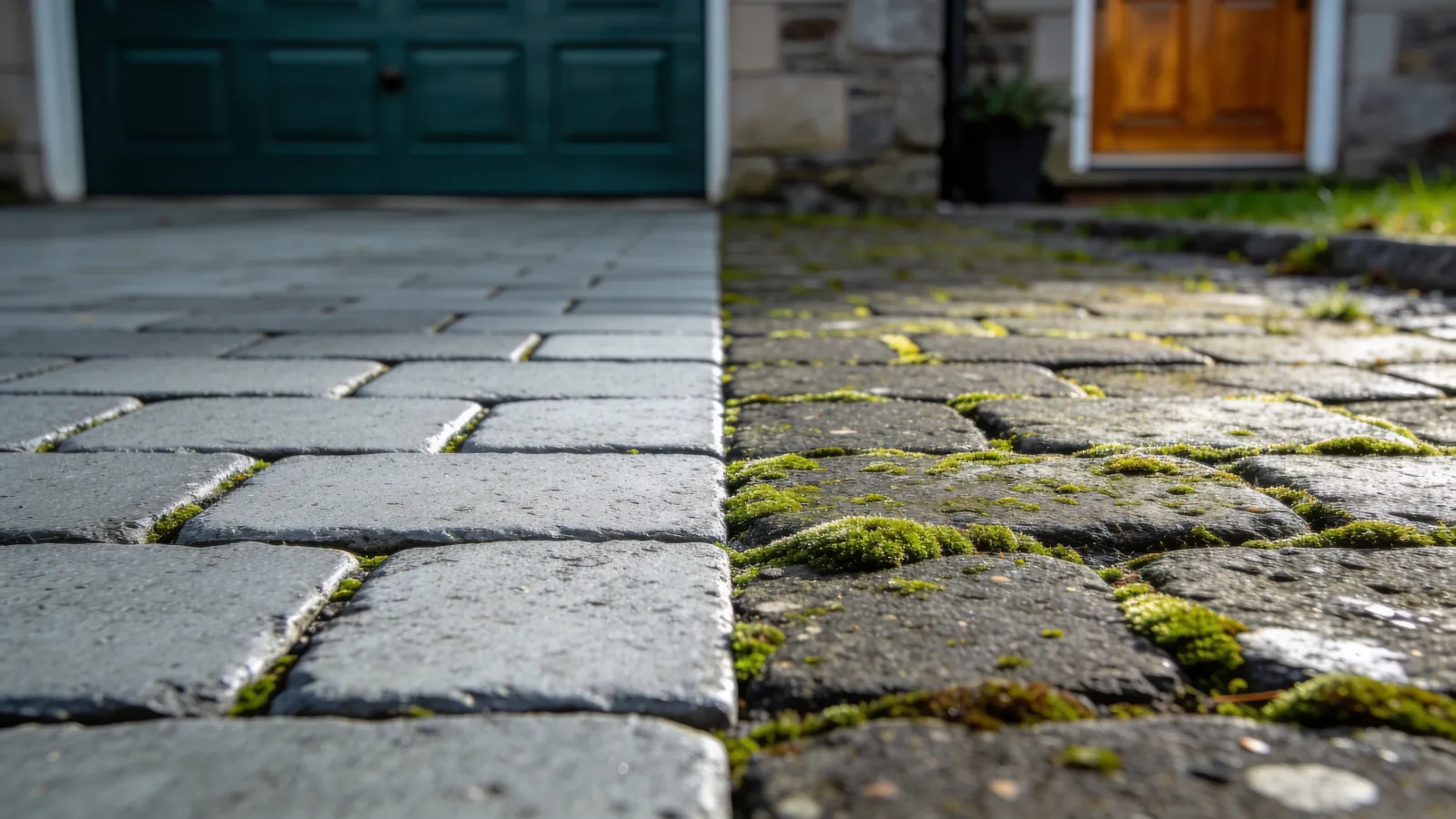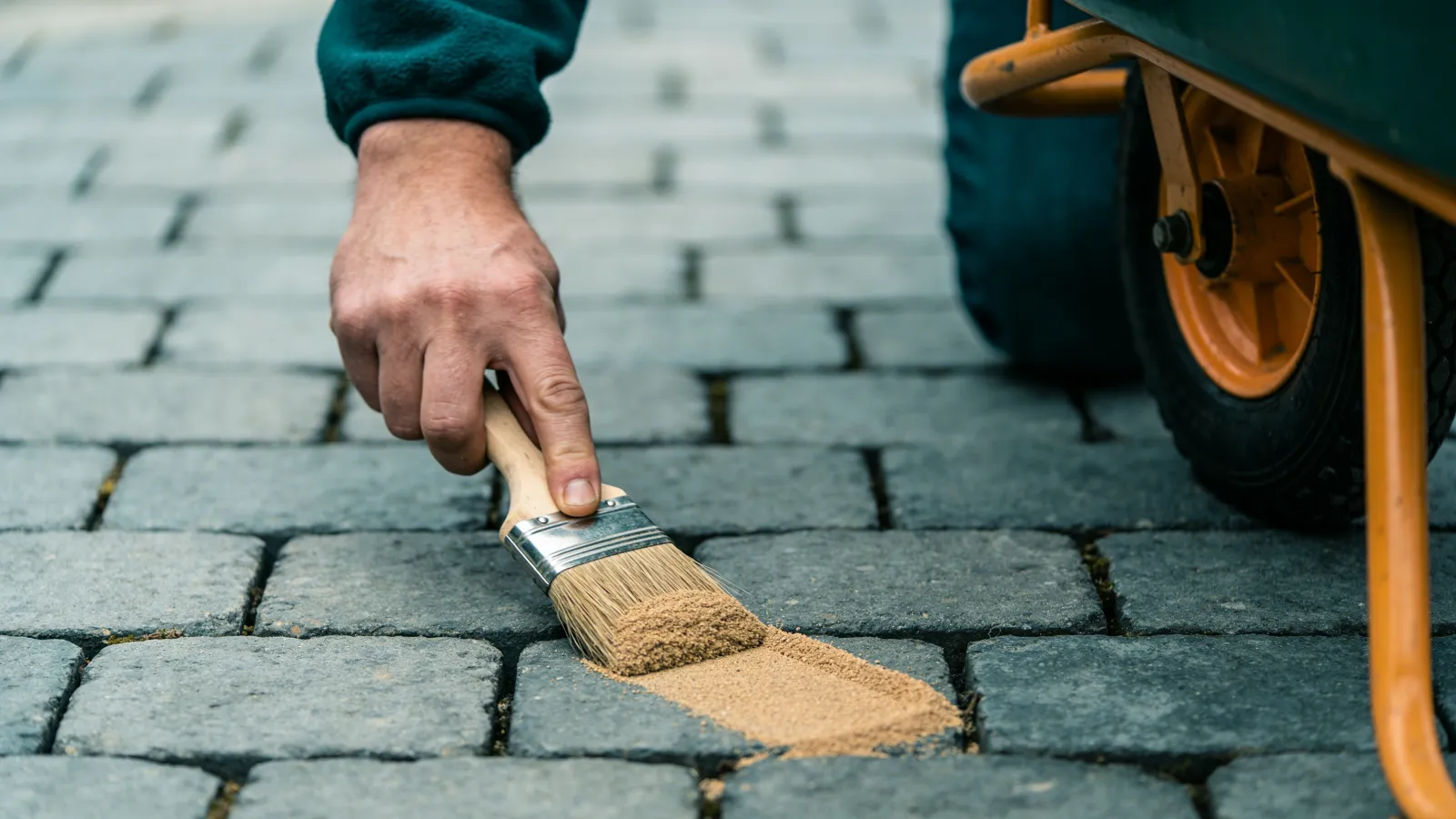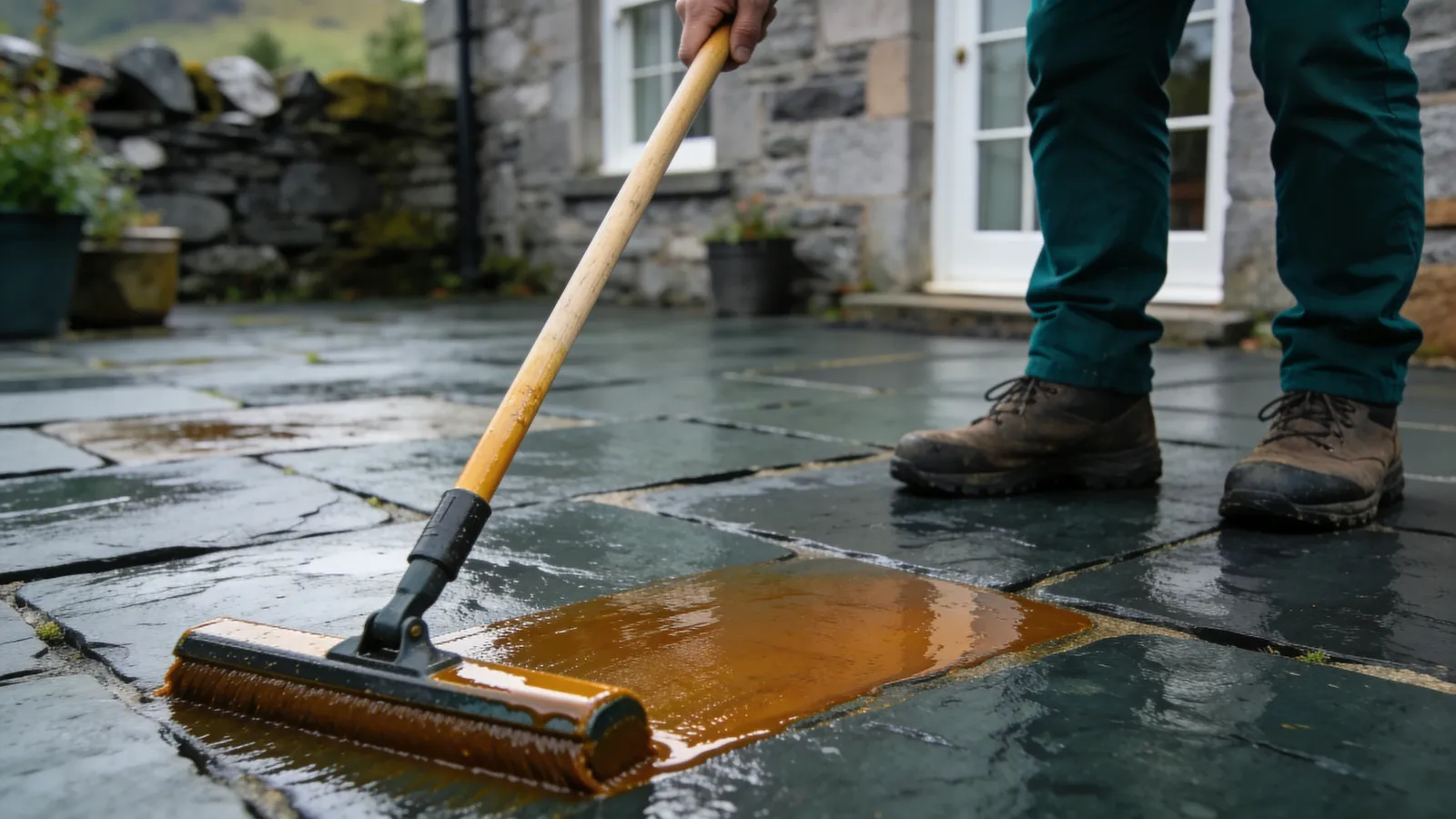
Restoring a tired stone floor, a sandstone facade or a tiled entrance is satisfying work. The surface looks clean, even and sharp again. The mistake many property owners make is stopping there. Within weeks, that freshly restored surface starts soaking up spills, salt and grime, and the gains begin to fade. Sealing is the step that locks in the work and keeps it looking good for years rather than months.
This matters across Scotland in particular. Wet winters, road salt tracked in from gritted pavements, and the freeze-thaw cycle that runs from October through March all put pressure on porous materials. A seal applied at the right time, in the right way, is the difference between a one-off clean and a surface that holds up.
What sealing actually does
Sealing fills or coats the tiny pores in a hard surface so that water, oil and dirt cannot penetrate as easily. It does not make a surface bulletproof, but it buys you time. A spilled coffee on an unsealed terracotta tile starts staining within minutes. On a sealed tile, you have a window of perhaps thirty minutes or more to wipe it up cleanly.
There are two broad approaches:
- Penetrating (impregnating) sealers soak into the material and leave the natural look and texture largely unchanged. They are the usual choice for natural stone, sandstone and unglazed porcelain where you want to keep a matte, untreated appearance.
- Topical (film-forming) sealers sit on the surface and create a visible layer, often with a satin or gloss finish. They suit some concrete, certain tiles and surfaces where you want sheen and an easy-wipe top coat, but they can wear in traffic lanes and need stripping before reapplication.
Choosing the wrong type causes real problems. A film-forming sealer on external sandstone, for example, can trap moisture inside the stone, and in a Scottish winter that trapped water freezes, expands and blows the face off the stone. For most external masonry in Scotland, a breathable penetrating sealer is the safer route.
Timing and surface preparation
Sealing is only as good as the surface underneath it. Seal over dirt or moisture and you trap the problem in place permanently.
A few practical rules:
- Let the surface dry fully. After a wet restoration or grout clean, most stone and tile needs 24 to 72 hours to dry out, longer in cold or damp conditions. A moisture meter reading is worth taking on larger jobs before you commit.
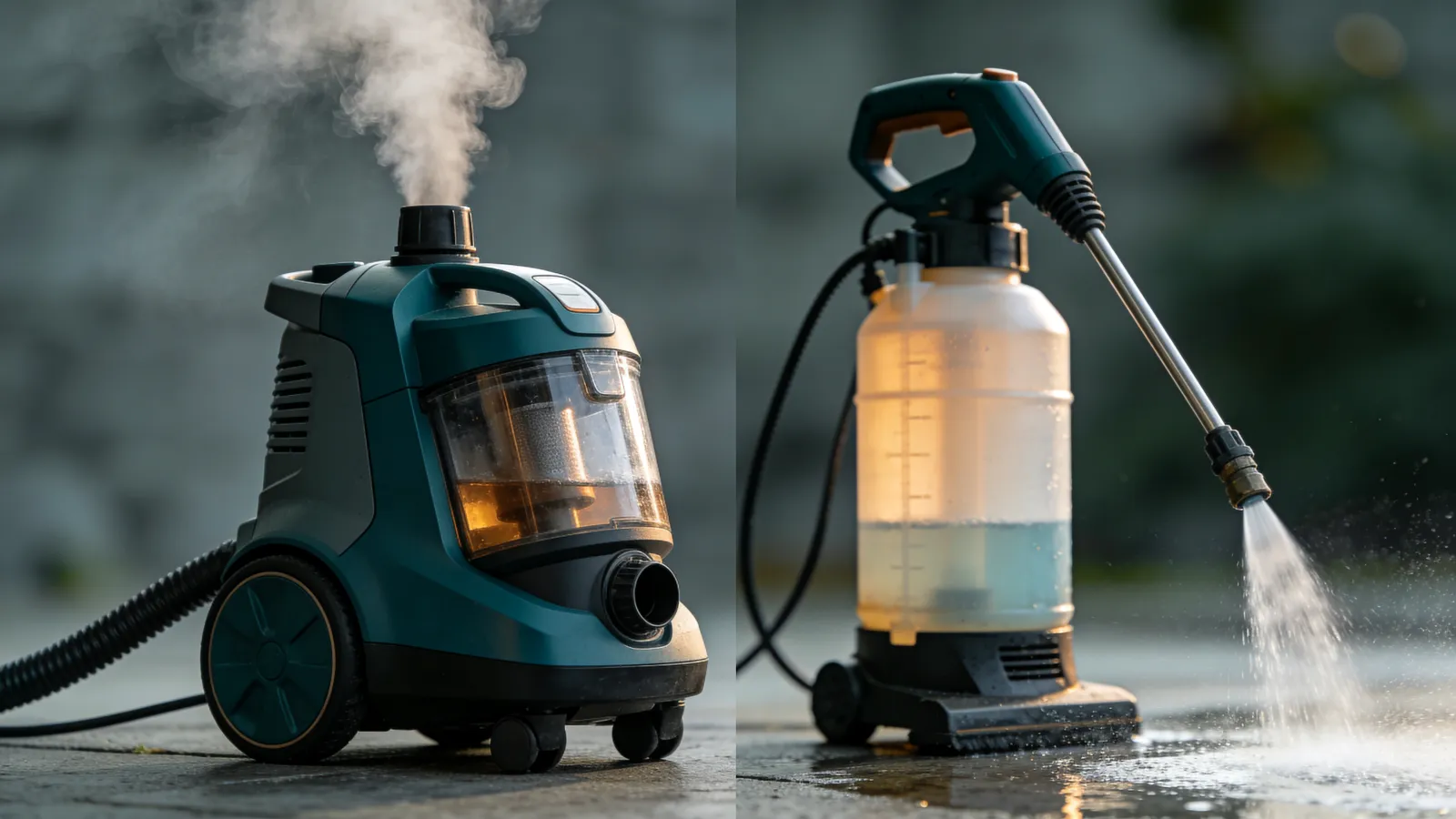
- Clean and neutralise first. Any acidic or alkaline cleaning residue must be rinsed and neutralised, or it will react under the seal.
- Test a small area. Always trial the sealer on an offcut or a discreet corner. Some sealers slightly deepen the colour of stone, which many people like, but you want to know before you treat the whole floor.
- Watch the temperature. Most sealers want surface temperatures between roughly 10 and 25 degrees Celsius. In an unheated Scottish warehouse or close in February, that often means scheduling sealing for a milder window or warming the space first.
Getting this sequence right is where experience earns its keep. ORVO Group handles restoration and sealing as a single piece of work, so the drying times, the cleaning chemistry and the sealer choice all line up rather than being passed between trades.
How long a seal lasts and how to maintain it
No seal is permanent. Lifespan depends on the product, the surface and how hard the area is used.
As a rough guide, a quality penetrating sealer on an internal floor lasts two to five years. In a busy commercial entrance with constant foot traffic and winter grit, you might be looking at annual top-ups in the worst traffic lanes. External masonry sealers vary widely, with some lasting five to ten years and others needing reapplication sooner on exposed elevations.
A simple test tells you when to reseal: drop a little water on the surface. If it beads and sits, the seal is still working. If it soaks in and darkens the material within a minute, it is time to treat that area again.
Day-to-day care extends the life of any seal:
- Use pH-neutral cleaners. Acidic and strongly alkaline products break sealers down quickly.
- Deal with spills promptly rather than letting them sit.
- Use entrance matting to catch grit before it reaches sealed floors, which cuts down abrasive wear.
Getting it right the first time
Sealing is not the glamorous part of a restoration, but it is the part that protects the money you have already spent. The right product, applied to a properly prepared and dry surface at a sensible temperature, keeps stone, tile and concrete looking restored for far longer and makes routine cleaning easier.
If you are planning a restoration or want an honest assessment of whether your existing surfaces need resealing, take a look at our specialist services service or get in touch to talk it through. One point of contact, one accountable partner, for the whole job.