Most facilities management problems are not really maintenance problems. They are information problems. A boiler fails in a tenanted flat in Aberdeen, the report lands in an inbox nobody checks until Monday, the contractor turns up without the access code, and three emails later nobody can say what was actually fixed or what it cost. A good digital platform closes those gaps. A bad one just adds another login.
If you manage commercial property, run a factoring portfolio, or look after a single building, the right software should make the work visible, accountable and faster to close out. Here is what genuinely matters when you are comparing options.
Start with reactive jobs, then planned work
Reactive maintenance is where most time leaks away, so test any platform against it first. From the moment a fault is reported, you should be able to follow the full chain: who logged it, when, with what photos, which contractor was assigned, when they attended, and what they did.
Look for a system that timestamps every step automatically rather than relying on someone to update a spreadsheet. Response and resolution times become real numbers you can hold people to, for example a four hour response on an out of hours leak or a five working day target on a non urgent repair.
Once reactive work is solid, check the planned side. Statutory and compliance tasks should never depend on memory. A capable platform will:
- Schedule recurring jobs such as gas safety checks, fire alarm tests, PAT testing and gutter clearance
- Send reminders well before a deadline, not on the day it lapses
- Store certificates and reports against the specific asset and address
- Flag anything overdue so it cannot quietly slip
Insist on one source of truth
The biggest hidden cost in property maintenance is duplicated information. Job details in email, costs in a finance system, certificates in a shared drive, and contractor notes on someone's phone. When something goes wrong, you spend an afternoon assembling the story.
A strong platform keeps everything attached to the property and the asset: history, documents, photos, quotes, invoices and warranty details in one place. When a tenant changes or a building is sold, the full record travels with the address. That continuity matters in Scotland, where factored developments and mixed tenure blocks often outlast the people managing them.
Ask a direct question during any demo: if I open this flat in two years, can I see every job, cost and certificate without leaving the screen? If the answer involves three other systems, keep looking.
Check transparency and reporting
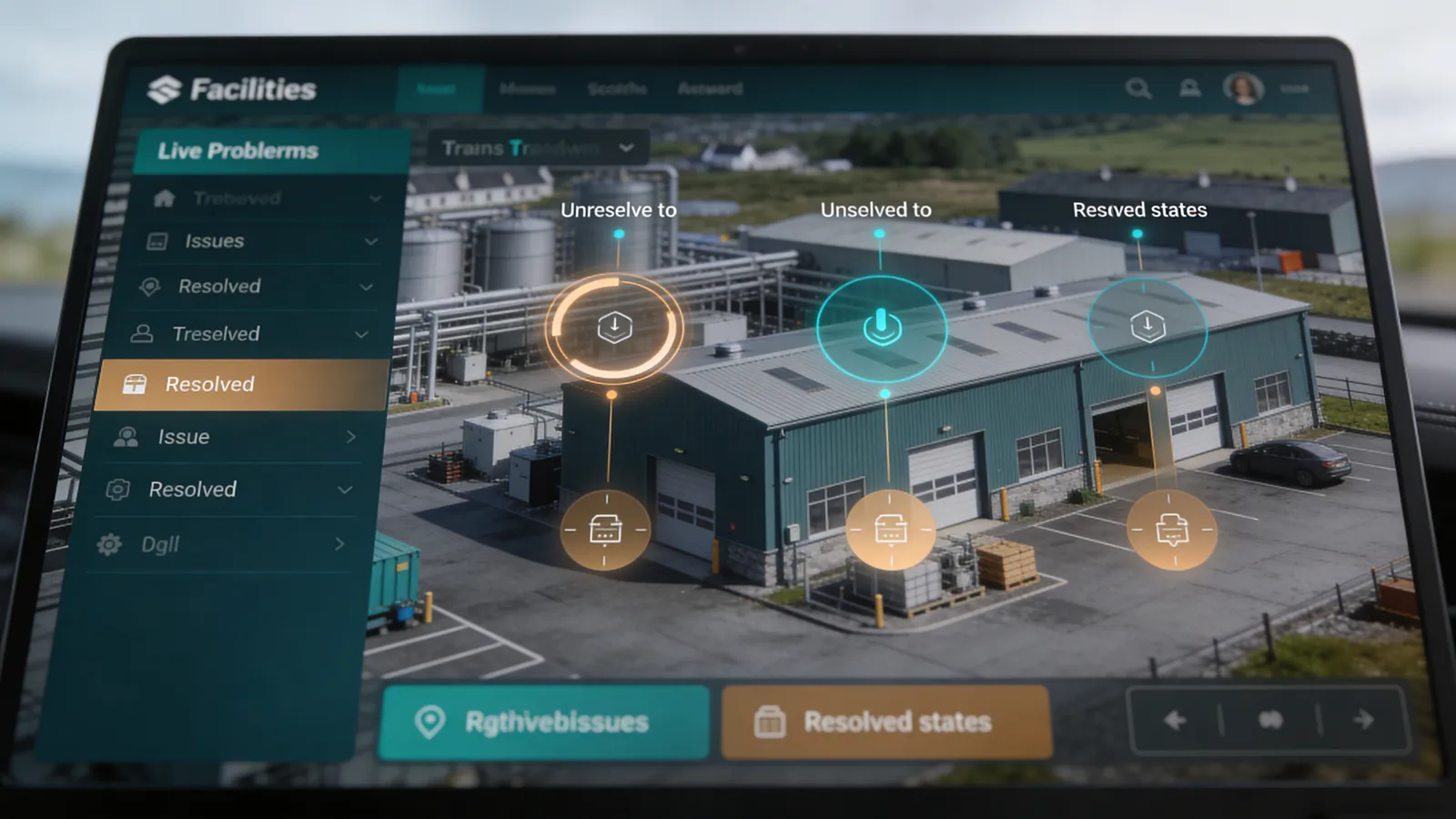
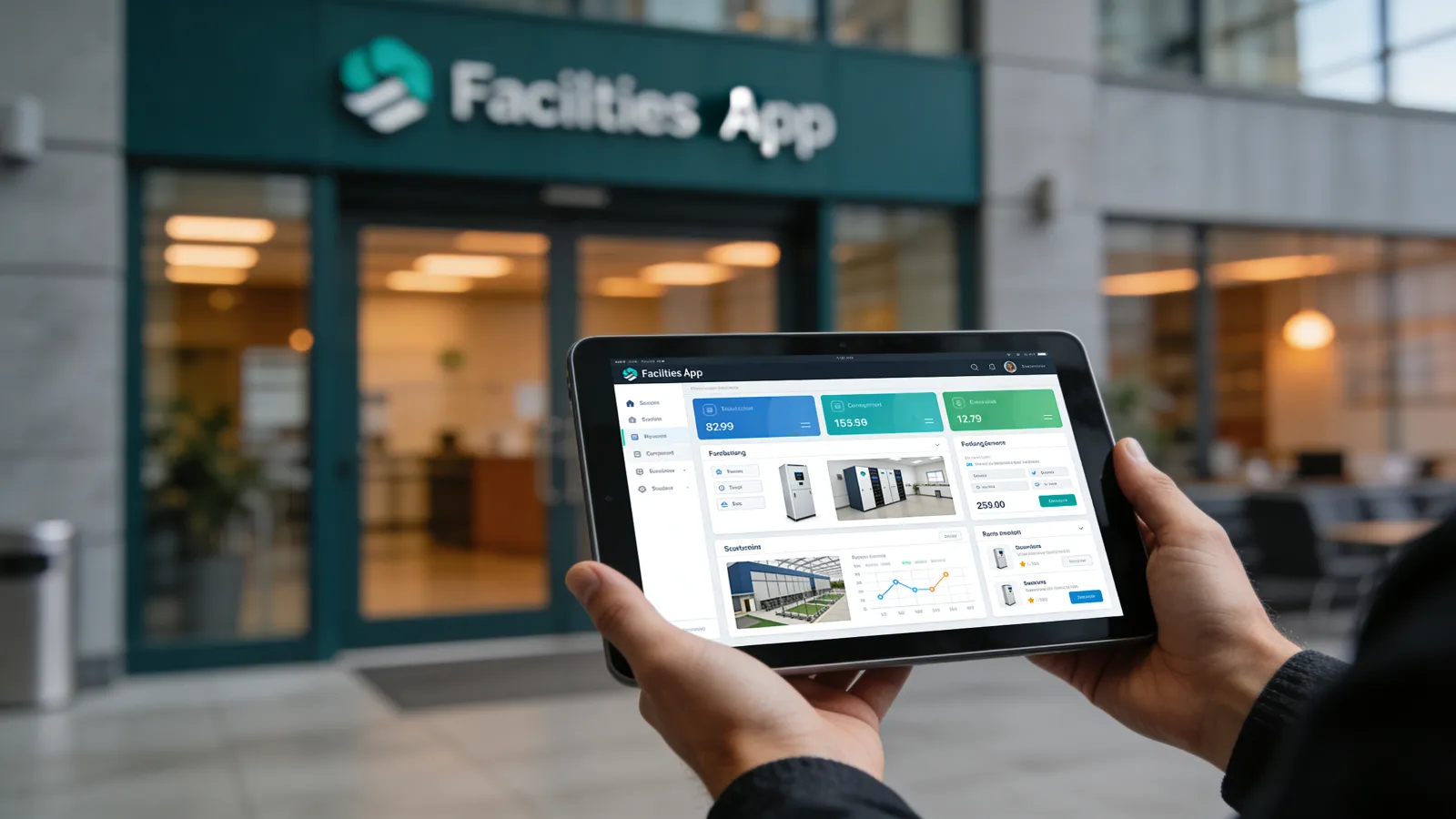
You should not have to ask for an update. The best systems give owners and managers their own view, so you can see live job status, recent spend and upcoming compliance dates without phoning anyone.
Pay attention to reporting. Useful reports answer the questions you actually have at month end and budget time:
- Total spend by property, by category and by period
- Open jobs and their age, so nothing stalls unnoticed
- Recurring faults that point to a deeper problem, such as the same pump failing twice a quarter
- Compliance status across the whole portfolio at a glance
Exportable data is non negotiable. If you cannot get your figures out into a spreadsheet or share them with an accountant, the platform owns your information rather than you.
Make sure it fits how people actually work
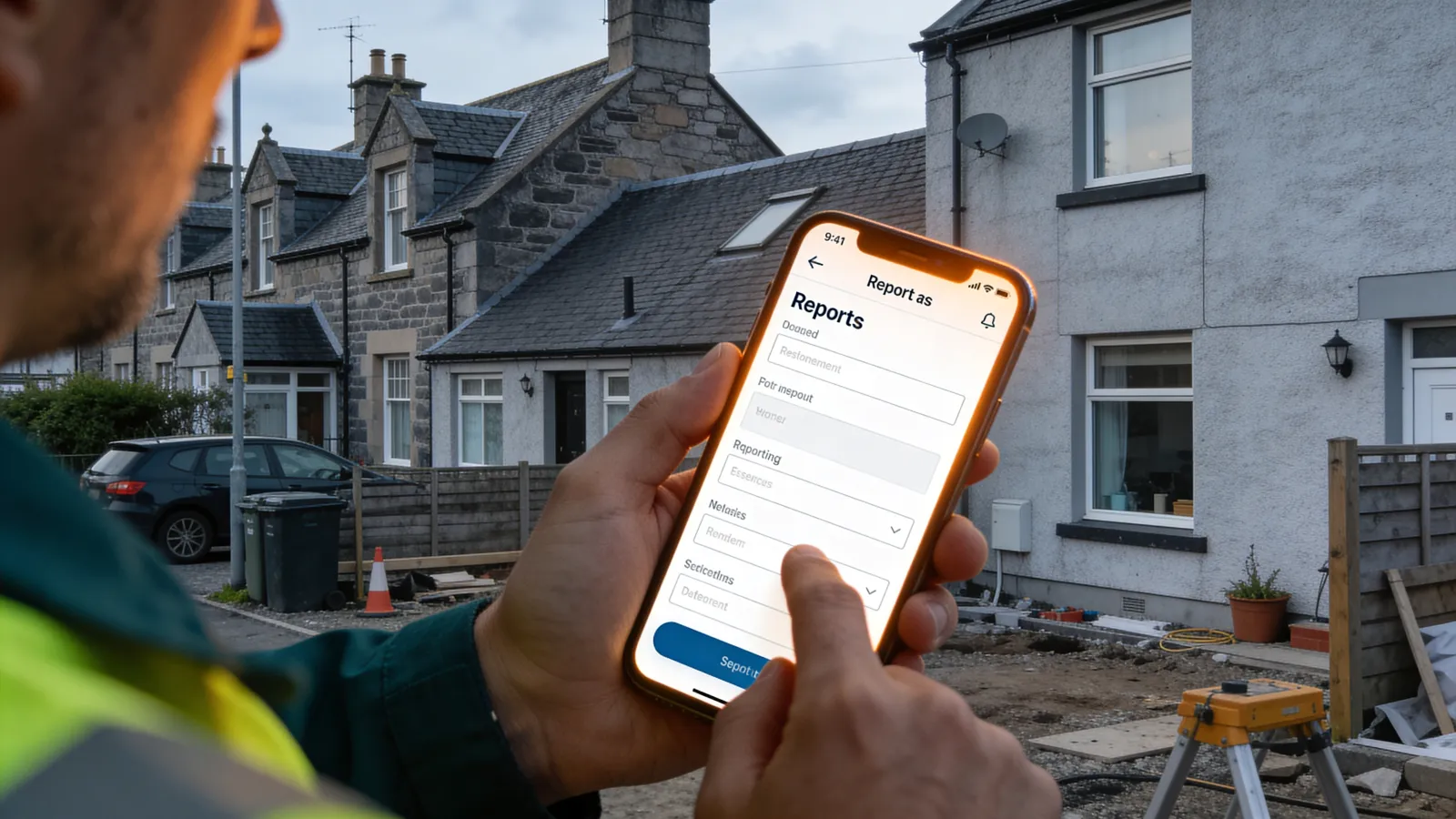
Software only helps if people use it. Contractors update jobs from a phone on site, often in a basement plant room with poor signal, so a clean mobile experience and offline tolerance matter more than a busy desktop dashboard.
Reporting a fault should take a tenant or caretaker under a minute, ideally with a photo and a location. Notifications should be clear and not so frequent that people switch them off. And someone should answer when you need a human, because no platform replaces a person who knows your buildings.
This is where the platform and the partner behind it both count. At ORVO Group we built ORVO Connect to sit underneath the work we already deliver, so the maintenance, cleaning and compliance is handled by one accountable team and recorded in one place. The software is only as good as the people standing behind it.
A short checklist before you commit
Before signing anything, run through these in a live demo using one of your own properties:
- Log a reactive job end to end and confirm every step is timestamped
- Set up a recurring compliance task and check the reminder timing
- Open a property and confirm you can see full history, costs and certificates together
- Pull a spend report and export it
- Try the contractor view on a phone
If a platform passes all five, it will earn its place. If it stumbles on two or three, you will be working around it within a month.
Bringing it together
The right platform turns scattered, reactive maintenance into something you can see, measure and plan. It should save admin time, sharpen your budgets and make compliance a matter of routine rather than worry. Choose for clarity and accountability, not for the longest feature list.
If you would like to see how this works in practice across a Scottish portfolio, learn more about our orvo connect service or get in touch for a straightforward walkthrough.