Most property problems do not start as emergencies. A dripping tap, a flickering light in a stairwell, a fire door that no longer closes flush. They start small, get noticed, and then sit in limbo because nobody is quite sure who logs them, who approves the cost, or who actually turns up to fix the thing. That gap between spotted and solved is where buildings quietly degrade and budgets quietly bleed.
A good workflow closes that gap. Below is a practical, stage-by-stage approach you can apply across a single shop, a block of flats in Glasgow, or a portfolio of commercial units spread from Aberdeen to the Borders.
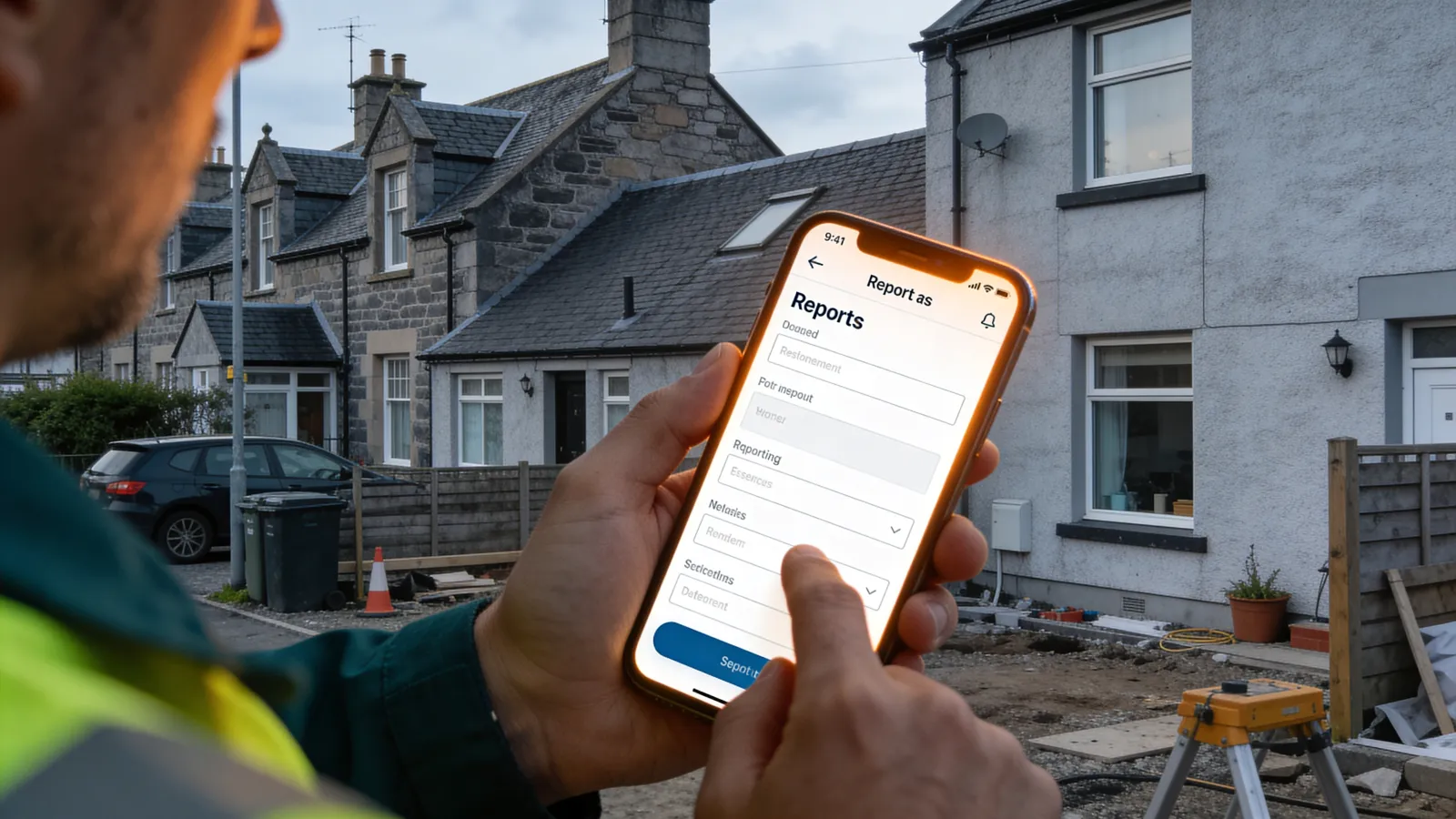
Capture the issue properly the first time
The biggest delays happen at the start, not the end. A report that says "toilet broken on the second floor" forces someone to ring back, ask which toilet, and lose half a day in the process. Capture enough detail at the point of reporting and the rest of the workflow speeds up on its own.
A solid report includes:
- The exact location: building, floor, room or unit number.
- What is wrong, in plain terms, plus when it started.
- A photo or short video where it helps (a cracked tile, a leak, a faulty meter reading).
- Whether it is a safety risk, a tenant complaint, or routine wear.
- Who reported it and how to reach them for access.
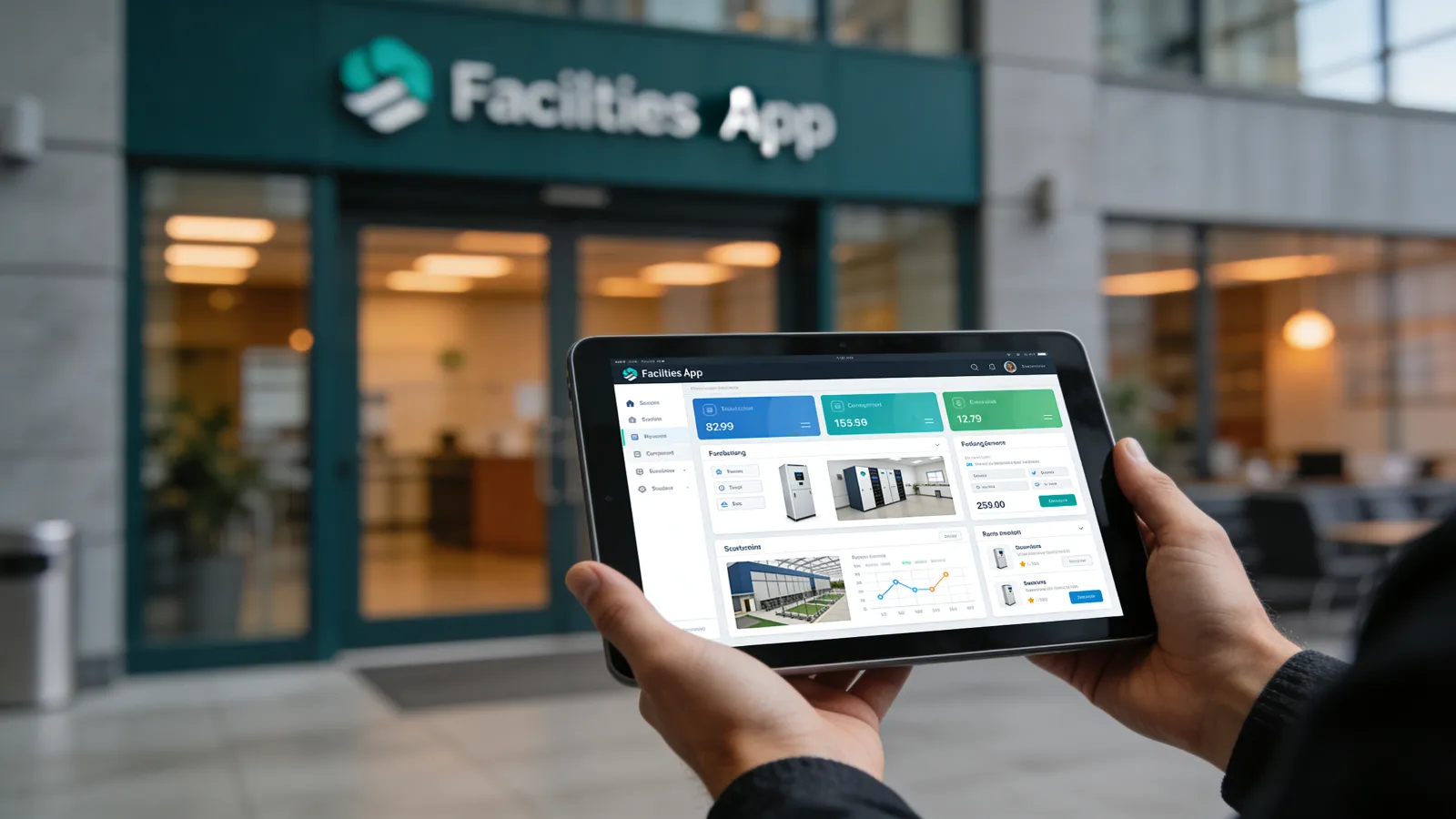
Give people one channel to report into, not four. When issues arrive by text, email, phone, and a note left on a desk, things fall through the cracks. A single front door for every report, the principle behind our ORVO Connect platform, means nothing gets logged twice and nothing gets lost.
Triage by risk, not by who shouted loudest
Once an issue is logged, sort it before you dispatch anyone. Triage is simply deciding how urgent something is and what skill it needs, and it stops the squeaky wheel from jumping a genuine emergency.
A workable scale looks like this:
- Priority 1, safety and security: gas, electrical faults, fire safety failures, flooding, anything that locks a building or puts people at risk. Target a response within 2 to 4 hours.
- Priority 2, service affecting: heating down in winter, a blocked drain, a broken lift in a building with elderly residents. Aim for same day or next working day.
- Priority 3, routine: cosmetic damage, minor joinery, a tap washer. Schedule within five working days and batch it with nearby jobs.
In Scotland the seasons sharpen this. A Priority 2 heating fault in November is effectively a Priority 1 when the temperature drops below freezing and you have vulnerable tenants. Build that judgement into your triage rather than treating the categories as rigid.
Assign, attend, and record what was done
This is where most systems go quiet and trust erodes. The reporter hears nothing, assumes nothing is happening, and chases. Three things keep the work honest at this stage.
Assign a named owner. Every job should have one accountable person, not a shared inbox. If the tradesperson on site needs a part ordered, the owner chases it, not the customer.
Confirm attendance. A simple message saying who is coming and roughly when removes the dead air. For occupied properties, agree access in advance so an engineer is not turned away at the door, which wastes a call-out fee and pushes the fix back days.
Record the outcome. When the job is done, capture what was found, what was fixed, any parts used, and a photo of the finished work. That record matters for warranty claims, for compliance evidence, and for spotting a fault that keeps recurring in the same spot.
Close the loop and learn from it
A job is not finished when the van leaves. It is finished when the person who reported it knows it is sorted and the record is complete. Send a short confirmation, ideally with the after photo, so the reporter does not have to walk over and check.
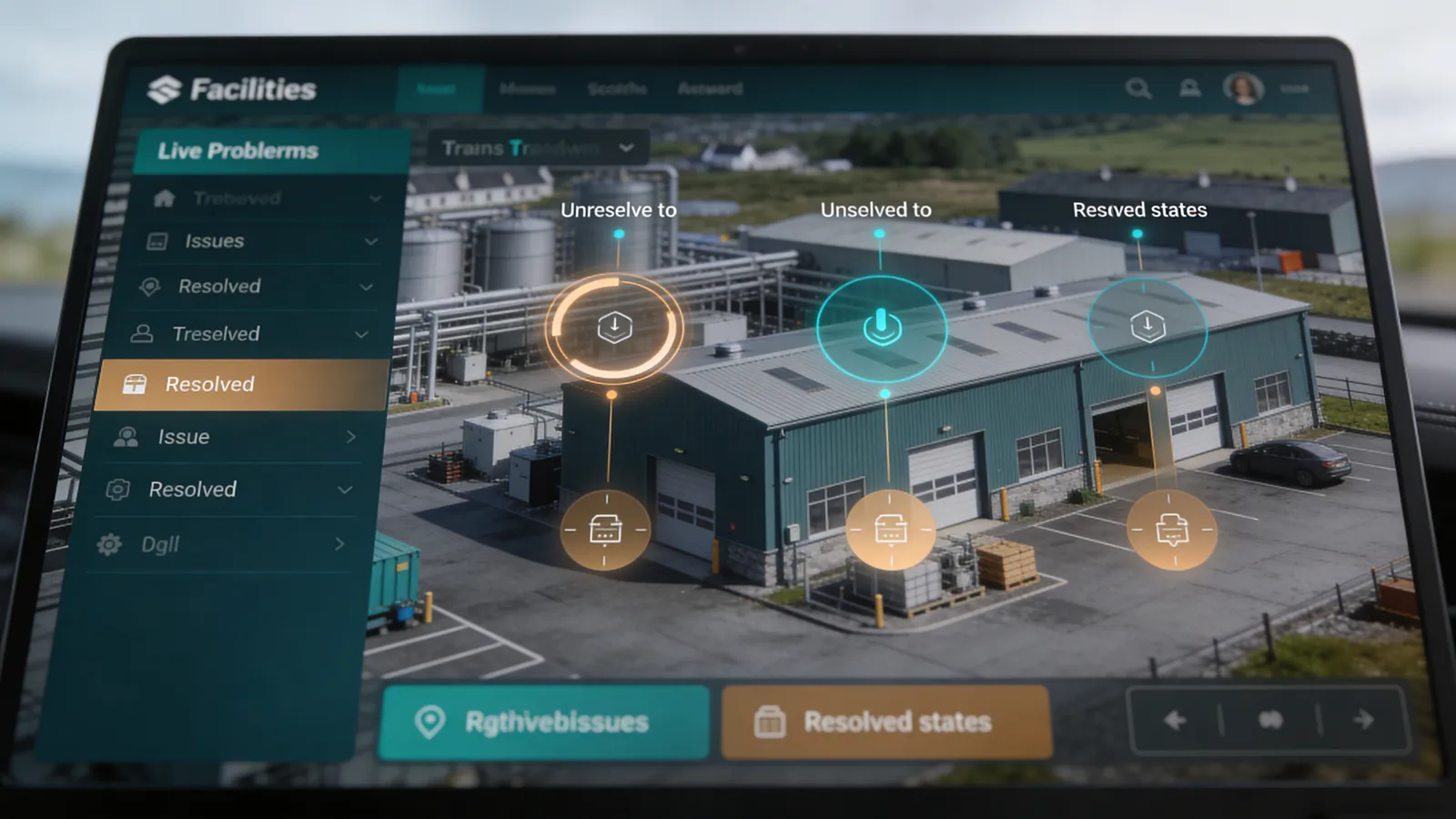
Then look at the pattern over a quarter. If the same flat floods twice in three months, the answer is not a third mop-up, it is investigating the cause. If three units report the same draughty door type, you may have a supplier or installation problem worth raising. This is where having every report in one place earns its keep: you can see trends a paper log or a scatter of emails will always hide.
A few habits make the difference between a tidy workflow and a leaky one:
- Set response targets in writing and report against them monthly.
- Keep one record per asset, so its full history travels with it.
- Review repeat issues before they become recurring costs.
- Give tenants and staff a quick, clear way to report and to see status.
Bringing it together
The point of a workflow is not paperwork for its own sake. It is the quiet confidence that when something is spotted, it gets logged once, judged sensibly, fixed by the right person, and closed off with proof. One accountable partner and one point of contact removes the chasing, the duplicate reports, and the awkward gaps where issues go to die.
If you want a calmer way to move every property issue from spotted to solved, take a look at our orvo connect service, or get in touch and we will talk through how it would fit your buildings.