When a chiller trips in a Glasgow office block or a fire door fails its check in an Aberdeen retail unit, the clock starts. Every hour that passes before someone logs the fault, assigns it, and sends an engineer is an hour of lost trading, frustrated tenants, or a compliance gap that could bite later. Most downtime is not caused by the fault itself. It is caused by the delay between the fault happening and the right person knowing about it.
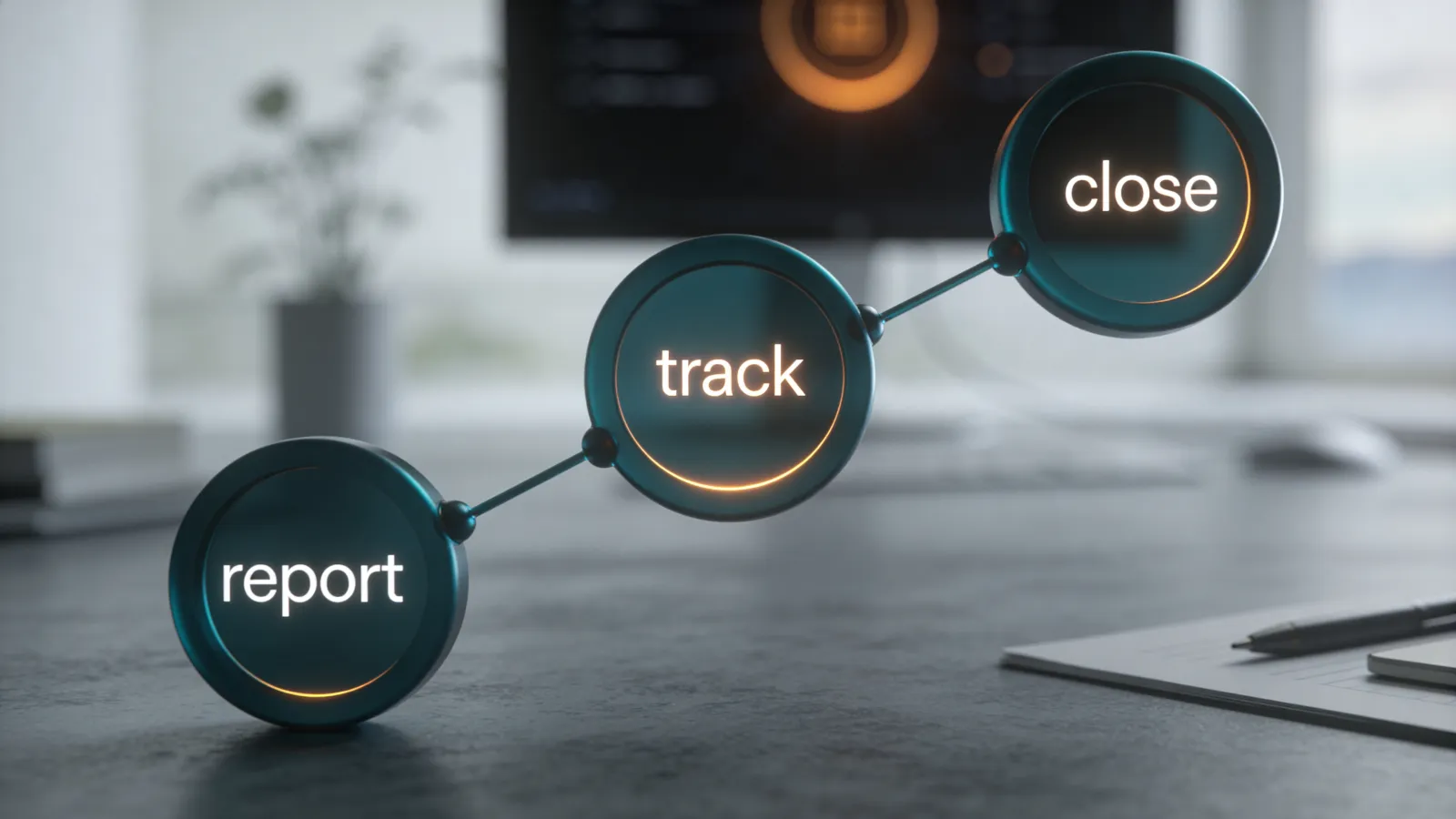
Real time reporting closes that gap. Instead of a paper log that gets read on Friday, or an email that sits unread over a wet Scottish weekend, the report reaches the people who can act the moment it is raised. This post sets out how that works in practice, what to measure, and how to set it up without drowning your team in noise.
Where the hours actually go
If you break down a typical reactive repair, the work itself is rarely the slow part. The delays cluster around handovers.
- Reporting delay: a tenant notices a problem but waits, or does not know who to tell. This can run from minutes to several days.
- Triage delay: the report lands, but nobody confirms ownership, severity, or who is attending.
- Dispatch delay: the job is understood but the engineer is not yet booked, briefed, or given access details.
- Access delay: the engineer arrives but cannot get into the plant room, or the keyholder is unreachable.
A faulty heating circuit might take two hours to fix. Yet the property can sit cold for three days because the report bounced between an agent, a factor, and a contractor with no shared view. Real time reporting attacks the first three of those delays directly, and gives you the data to fix the fourth.
What real time reporting changes
A real time system means the fault, the photo, the location, and the priority are captured once, at source, and visible to everyone who needs them straight away. No retyping, no lost context.
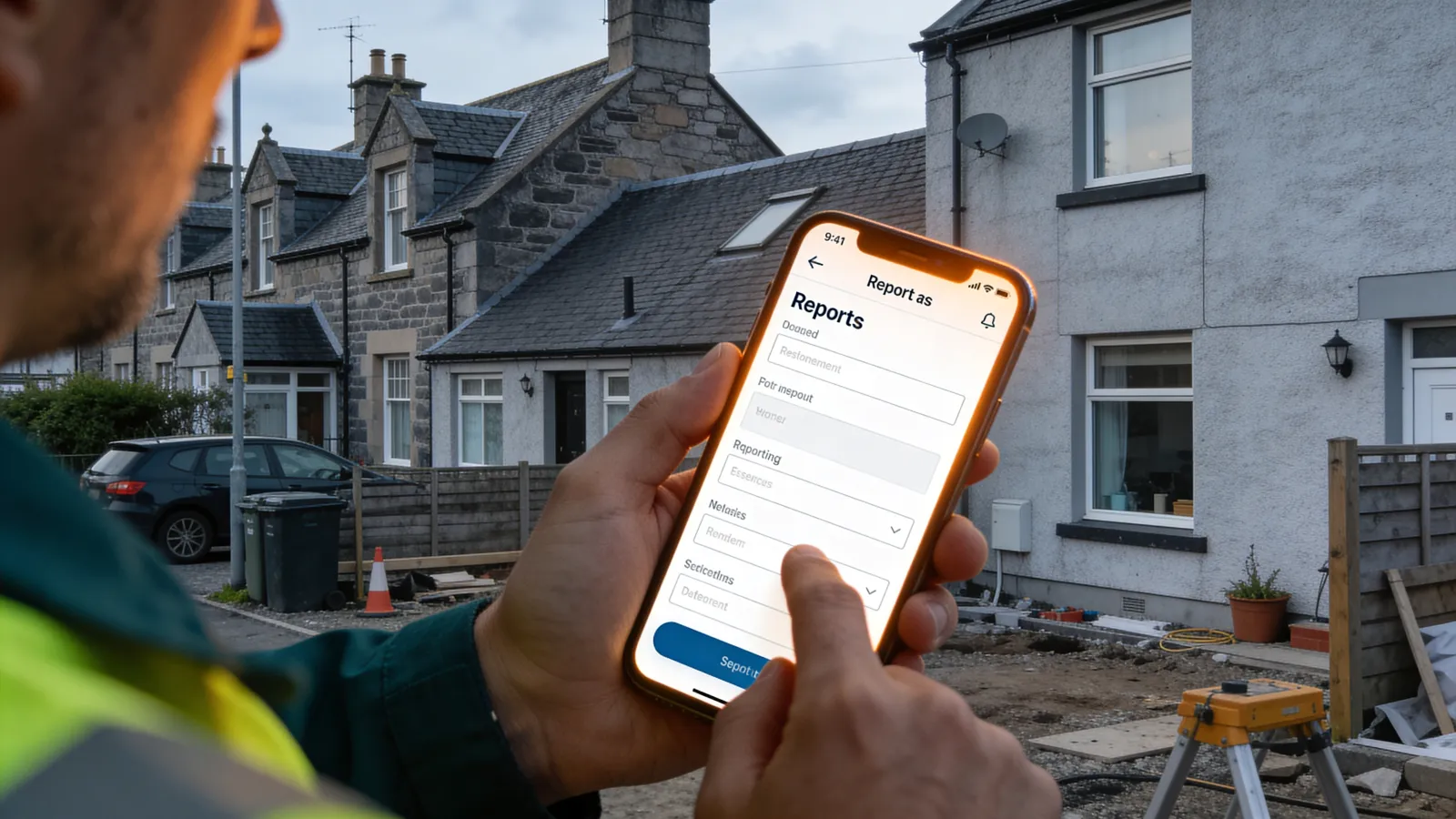
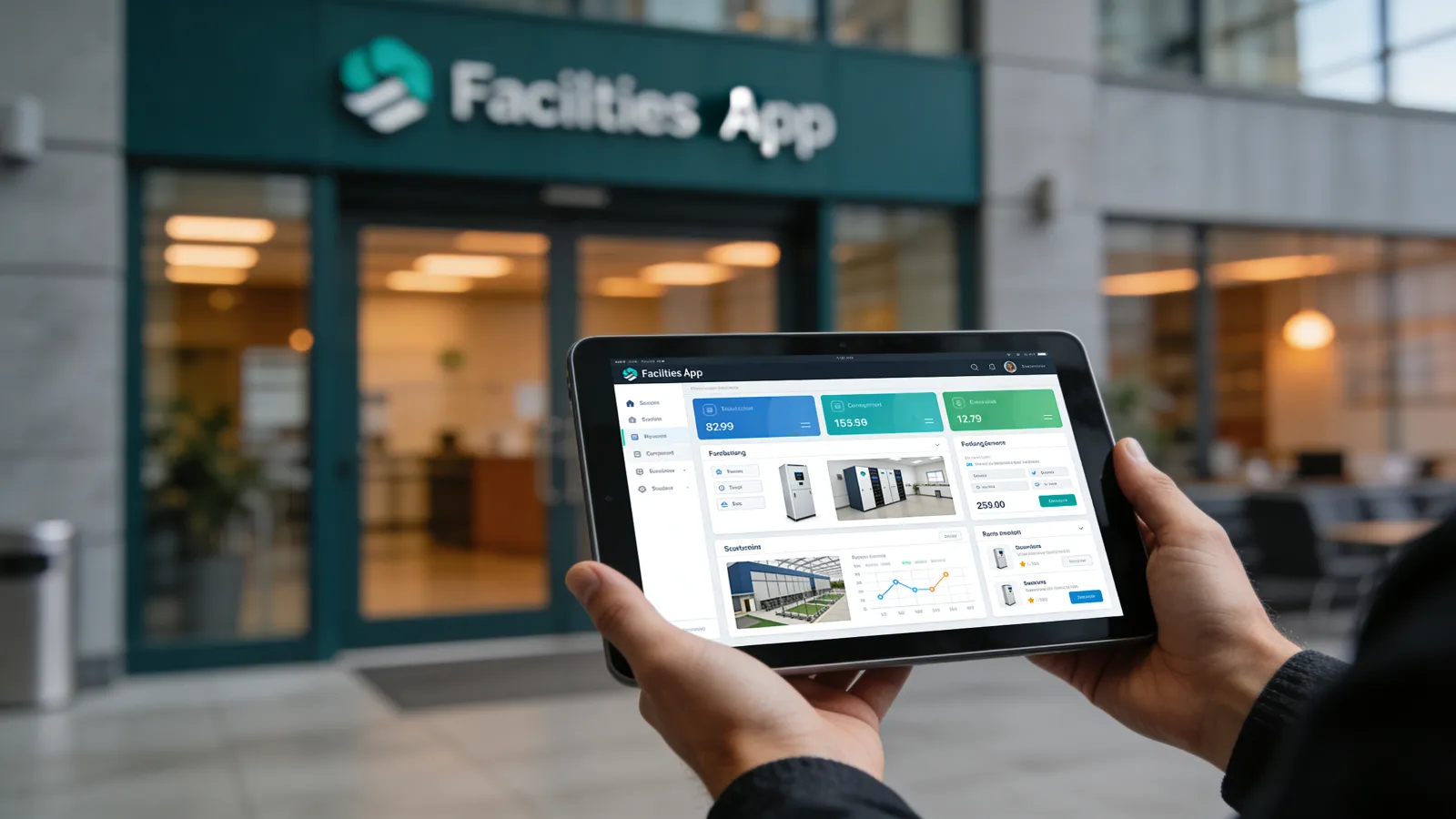
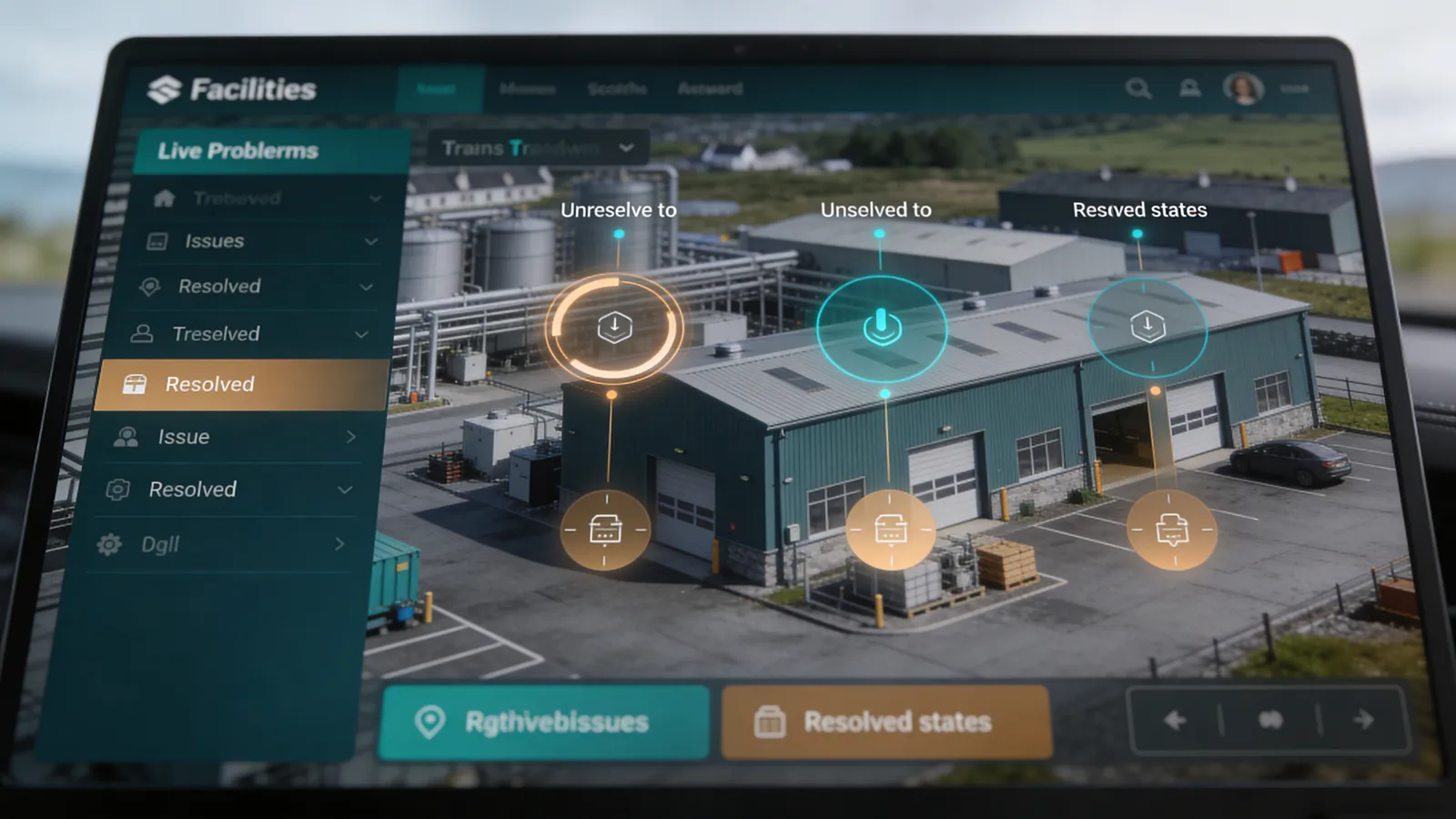
In practice that looks like this. A cleaner spots a leaking radiator valve during an early shift, photographs it, and logs it against the room in under a minute. The report is timestamped and routed by priority. A facilities manager sees it on a live dashboard rather than discovering it in a weekly summary. If it meets an urgent threshold, an alert goes out immediately so triage happens in minutes, not days.
The shift is from periodic to continuous. You stop relying on someone remembering to chase, and you stop losing the detail that makes a job quick: which unit, which floor, what the fault looks like, and whether it is safe to leave overnight. ORVO Connect was built around this single point of capture, so the people raising issues and the people resolving them are working from the same record.
Setting it up without creating noise
The fastest way to kill a reporting tool is to flood your team with alerts that do not matter. A blocked toilet and a failed fire alarm should not arrive the same way. Structure the system before you switch it on.
- Define three or four priority levels with plain rules. For example: P1 safety or full closure, respond within one hour; P2 partial disruption, respond same day; P3 cosmetic or minor, respond within five working days.
- Set sensible response and resolution targets per level and per site, and make them visible. People behave differently when the clock is shared.
- Route by priority, not by volume. Only P1 and P2 should trigger an immediate push notification. Everything else can sit in a daily digest.
- Capture the basics at source: location, photo, a short description, and the reporter. Make the form short enough that a busy person will actually complete it.
For multi site portfolios, agree a consistent naming convention for buildings, floors, and assets before launch. Inconsistent labels are the single most common reason a report cannot be actioned quickly.
Measuring whether it is working
Reporting only reduces downtime if you watch the numbers and act on them. A handful of metrics tells you most of what you need.
- Time to acknowledge: from report raised to someone owning it. Aim to get P1 acknowledgements under fifteen minutes.
- Time to attend and time to resolve: track both, because a fast arrival with a slow fix points at parts or access, not triage.
- First time fix rate: low rates usually mean reports lack detail at source, so the engineer arrives underprepared.
- Recurring faults by asset: the same valve failing three times in a quarter is a replacement decision, not a repair pattern.
Review these monthly. Scottish winters concentrate heating, drainage, and roofing faults between November and March, so compare like for like across seasons rather than month to month, and pre brief your supply chain before the cold sets in. Compliance items such as fire door inspections, emergency lighting, and legionella checks belong in the same system, so a missed task surfaces immediately rather than at audit.
Keeping one point of contact
The aim is not more dashboards for their own sake. It is fewer dropped handovers and shorter gaps between a problem appearing and a fix starting. When reporting, triage, dispatch, and compliance sit in one place, accountability is obvious and nothing falls between contractors.
That is the principle behind how ORVO Group works across facilities management, maintenance, and commercial cleaning: one accountable partner, one point of contact, one clear record of what was reported and what was done.
If you want to see how live reporting could cut downtime across your sites, take a look at our orvo connect service or get in touch for a straightforward conversation about your portfolio.