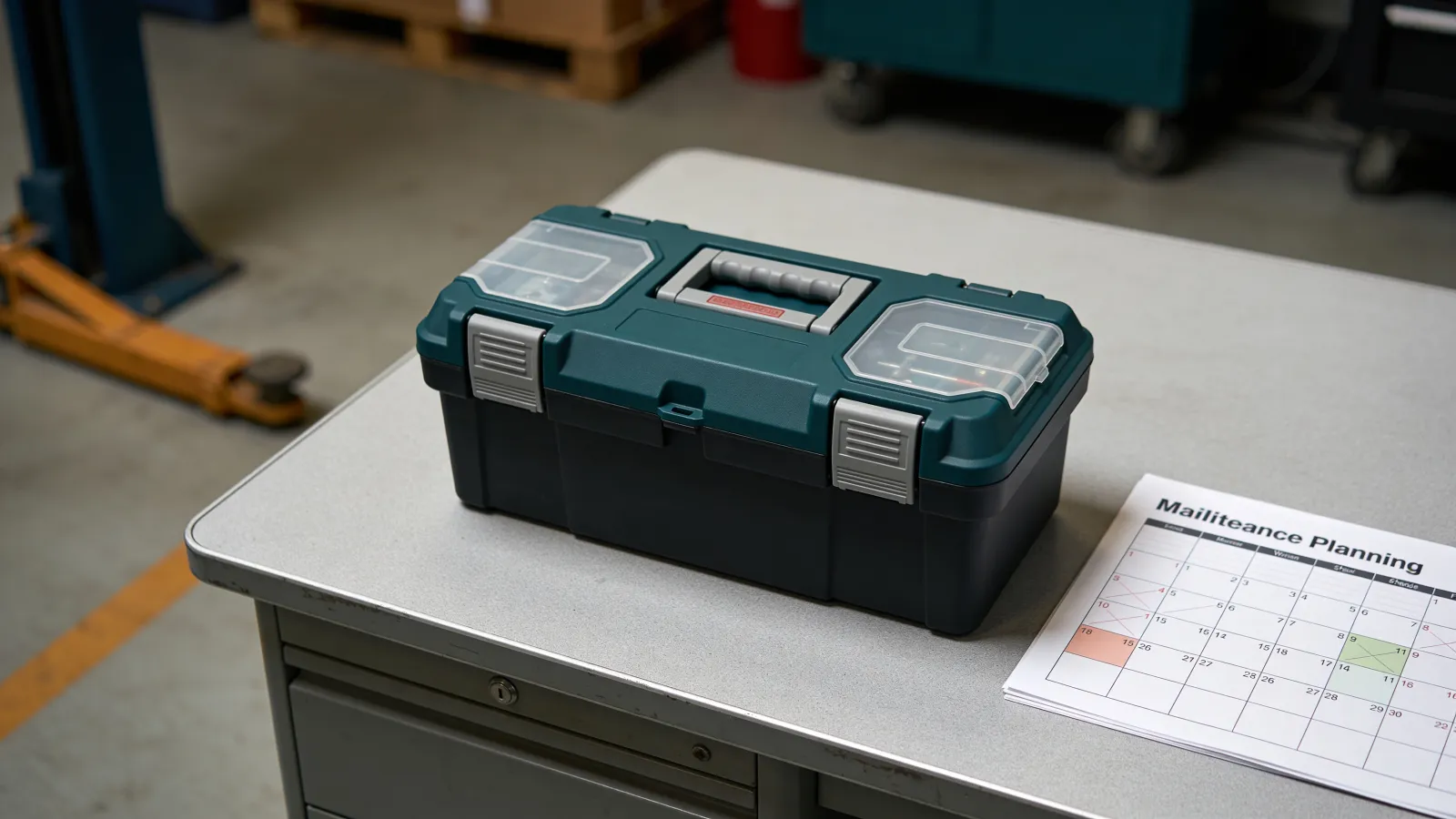
Every property owner deals with both. Reactive maintenance is the call you make when the boiler fails on a cold Glasgow morning or a tenant reports a leak. Planned maintenance is the work you schedule in advance: the annual gas safety check, the gutter clearance before autumn, the quarterly service on a commercial air conditioning unit. Get the balance wrong and you either bleed money on emergency call-outs or waste it servicing things that did not need touching. Get it right and your costs become predictable, your buildings stay safe, and your phone rings far less often.
What each approach actually costs
The headline number to remember is that reactive repairs typically cost three to four times more than the same job done as planned work. A scheduled boiler service might run 90 to 150 pounds. The same boiler failing in January, out of hours, with an emergency engineer and a replacement part sourced at short notice, can easily reach 400 to 600 pounds before you add the cost of a closed shop floor or an unhappy tenant.
Reactive work carries hidden costs that never appear on the invoice:
- Premium rates for out-of-hours and weekend call-outs
- Higher parts prices when you cannot wait for standard delivery
- Lost trading hours, void periods, or staff sent home
- Reputational damage when tenants or customers see problems left unresolved
- Knock-on damage, such as a small roof leak rotting a joist over six months
Planned maintenance flips this. You buy parts at normal rates, book engineers during working hours, and catch small faults before they become expensive ones. The trade-off is that you pay for work on assets that might have run a little longer. That is the tension you are managing.
A sensible split for most properties
There is no single correct ratio, but a useful starting point for a commercial or mixed property in Scotland is roughly 70 to 80 percent of your maintenance budget on planned work and 20 to 30 percent held back for reactive issues. Buildings that are older, heavily used, or poorly maintained in the past will sit nearer the reactive end until you bring them under control. Newer, well-documented buildings can push planned work higher.
The Scottish climate shapes this more than people expect. Wind-driven rain, freeze-thaw cycles, and long damp spells punish roofs, gutters, render, and external joinery. A planned schedule that ignores seasonality will miss the things most likely to fail. Build your year around the weather:
- Late summer to early autumn: clear gutters and downpipes, check flat roofs and flashings before the wet season
- Autumn: service heating systems before the first cold snap, lag exposed pipework
- Winter: keep gritting and drainage clear, monitor for damp and condensation
- Spring: inspect external fabric for storm and frost damage, repaint and reseal where needed
How to move work from reactive to planned
The goal is to shrink the reactive bucket over time by learning where your money keeps going. Start by tracking every reactive job for twelve months. Note the asset, the cause, the cost, and whether a service would have prevented it. Patterns appear quickly. If the same three buildings generate most of your emergencies, those are your priority.
From there, build a planned schedule around the legal non-negotiables first. In Scotland these include annual gas safety checks where gas is present, periodic electrical inspection (an EICR at least every five years for rented property, often more frequently for commercial use), legionella risk assessment for water systems, and regular checks on fire safety equipment and emergency lighting. These are not optional, and a missed certificate can void insurance or expose you to enforcement.
Once compliance is locked in, add the assets that cause the most disruption when they fail: heating, hot water, roofs, and anything tied to trading or tenant comfort. Keep a clear asset register with install dates, service history, and expected lifespans so you can plan replacements rather than react to breakdowns.
This is where a single accountable partner earns its keep. When one provider holds your asset register, runs your planned schedule, and answers the reactive call, nothing falls between contractors and you are not chasing five suppliers for one fault. At ORVO Group we structure maintenance this way deliberately, so the planned programme and the emergency response sit under one point of contact across your portfolio.
Knowing when reactive is the right call
Some reactive spend is healthy and unavoidable. It would be wasteful to service a low-value, easily replaced item on a fixed schedule when running it to failure costs less. The test is consequence. If failure is cheap, isolated, and quick to fix, reactive is fine. If failure is expensive, dangerous, or stops people working, plan it. Apply that test asset by asset and your budget will sort itself into sensible categories.
Getting your balance right
Most properties are running too hot on reactive work simply because no one has stepped back to look at the pattern. A year of honest tracking, a compliance-led schedule, and a seasonal plan built for the Scottish climate will usually cut emergency call-outs sharply within the first twelve months.
If you would like help auditing your current split and building a planned programme that fits your buildings, take a look at our property maintenance service or get in touch for a straightforward conversation about where to start.