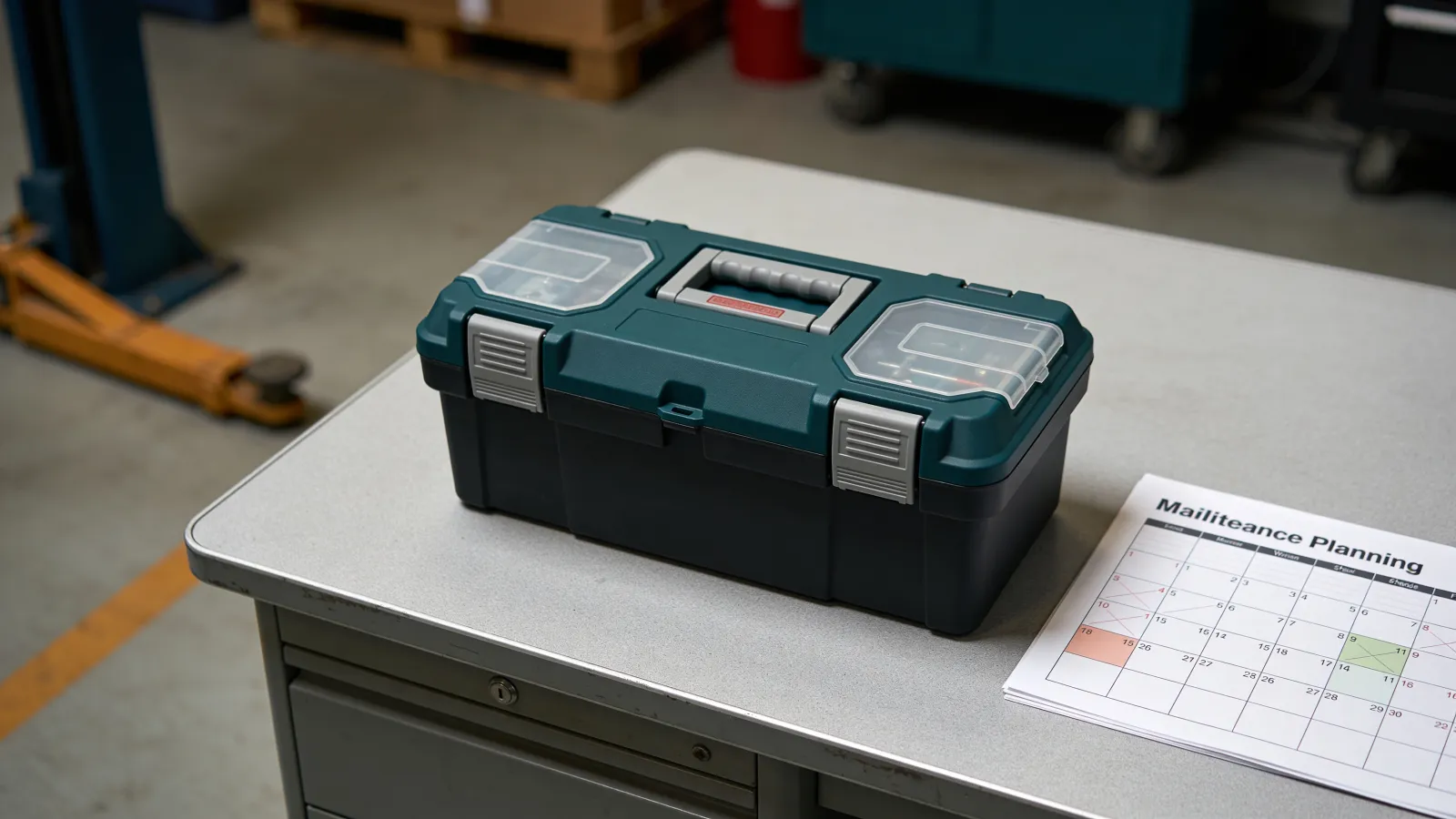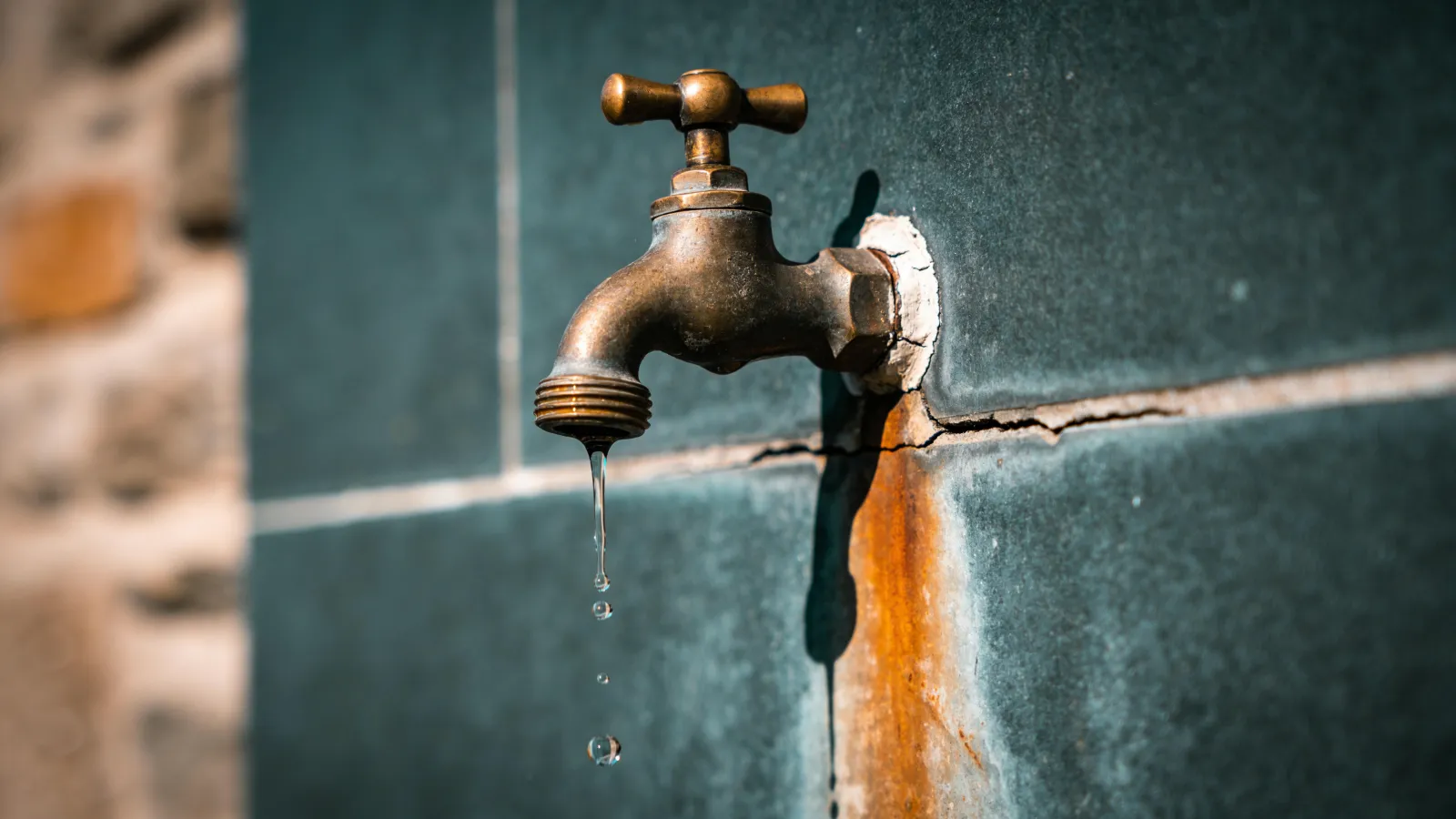
Most property problems do not arrive without warning. The gutter that floods a stockroom was blocked for two winters. The boiler that fails in January skipped its service the autumn before. Planned preventative maintenance, usually shortened to PPM, is simply the habit of fixing the small things on a schedule so they never become the expensive things. This guide is a starting point for property owners, factors and facilities managers in Scotland who want to move from reacting to planning.
What planned preventative maintenance actually means
PPM is a calendar of checks, services and minor repairs carried out at set intervals, whether or not anything looks wrong. It sits in contrast to reactive maintenance, where you wait for a fault and then pay a premium to fix it at short notice.
The difference shows up in three places: cost, downtime and compliance. A planned boiler service costs far less than an emergency engineer call-out on a Sunday in December. A scheduled roof inspection in October is cheaper than the ceiling repairs, dehumidifiers and disruption that follow a leak you did not see coming. And for anything safety related, a documented schedule is often the only thing that proves you met your duty of care.
PPM does not remove every breakdown. It does shift the balance so that planned work makes up most of your spend and emergencies become the rare exception rather than the monthly norm.
Building your first asset list
You cannot maintain what you have not listed. Start by walking the property and recording every system and item that needs ongoing attention. Be specific about make, location and age, because that detail drives the schedule later.
A typical commercial asset list in Scotland includes:
- Heating systems, boilers and any gas appliances
- Electrical distribution boards, emergency lighting and fixed wiring
- Fire alarms, extinguishers, fire doors and sprinkler systems
- Roofs, gutters, downpipes and external rainwater goods
- HVAC, ventilation and air conditioning units
- Water systems, including tanks and anything within scope for Legionella risk
- Lifts, hoists and access equipment
- Drainage, gullies and grease traps
- External fabric: pointing, render, windows and doors
Tag each item with its last known service date and any certificate that applies. Within a week of honest recording, most owners find two or three assets that have quietly slipped past their renewal date.
Setting realistic frequencies
Once you have the list, attach a frequency to each item. Some intervals are fixed by regulation or manufacturer guidance, and others are a judgement call based on age, use and exposure. Scotland's weather earns particular respect here: wind driven rain and freeze and thaw cycles are hard on roofs, gutters and external fabric, so those deserve more frequent eyes than a milder climate would need.
As a rough starting framework:
- Gas appliances: annual service, with a Gas Safe engineer
- Fire alarms: weekly user test, with a professional service roughly every six months
- Emergency lighting: monthly function test and an annual full duration test
- Gutters and rainwater goods: at least twice a year, ideally autumn and late winter
- Fixed electrical installation: inspection every five years for most commercial premises, sooner for higher risk environments
- Legionella risk assessment: reviewed at least every two years, with monitoring in between
- HVAC filters and servicing: typically every three to six months depending on use
Treat these as a baseline, then adjust. A coastal site takes more salt and wind than an inland one. A busy kitchen loads its extract system far harder than a quiet office. Write down why you chose each interval, because that reasoning is what an insurer or auditor will ask for later.
Keeping records that earn their keep
A schedule is only as good as the paper trail behind it. For every visit, capture the date, the work done, who carried it out, any parts replaced and any recommendations for follow up. Keep certificates and reports in one place, digital where possible, so you can produce them in minutes rather than days.
Good records do three jobs. They prove compliance if something goes wrong. They reveal patterns, such as a unit that keeps needing the same repair and would be cheaper to replace. And they make budgeting honest, because you can see exactly what the building costs to keep running. This is the point where many organisations choose a single accountable partner to hold the schedule together. ORVO Group does this across Scotland, so one point of contact covers the heating, the fire safety, the fabric and the grounds rather than a scatter of separate contractors who never quite join up.
Getting started without boiling the ocean
You do not need a perfect system on day one. Pick your highest risk and highest cost assets first, usually anything gas, electrical or fire related, and get those on a firm schedule. Add the rest over the following quarter. Review the whole plan once a year and adjust frequencies based on what actually happened.
The aim is modest and powerful at the same time: fewer surprises, lower lifetime costs and a building that quietly does its job. If you would like a hand building or running a schedule that fits your property, take a look at our property maintenance service or get in touch for a straightforward conversation about where to begin.