A repeat visit is the most expensive part of any maintenance job. The engineer arrives, finds the fault is not quite what was reported, lacks the right part, cannot access the plant room, and leaves with a note to return. You pay for the travel twice, the labour twice, and you wait days longer for a working building. Across a portfolio in Glasgow, Edinburgh or Aberdeen, that pattern adds up fast.
The good news is that first time fix rates are largely set before the engineer leaves the depot. A precise brief tells the contractor what is wrong, where it is, and what they will need to bring. This guide covers how to write one, whether you manage a single shop unit or a hundred sites.
Describe the fault, not just the symptom
"The heating is broken" sends an engineer to site with no idea what to pack. Spend two extra minutes turning a symptom into a description and you change the outcome.
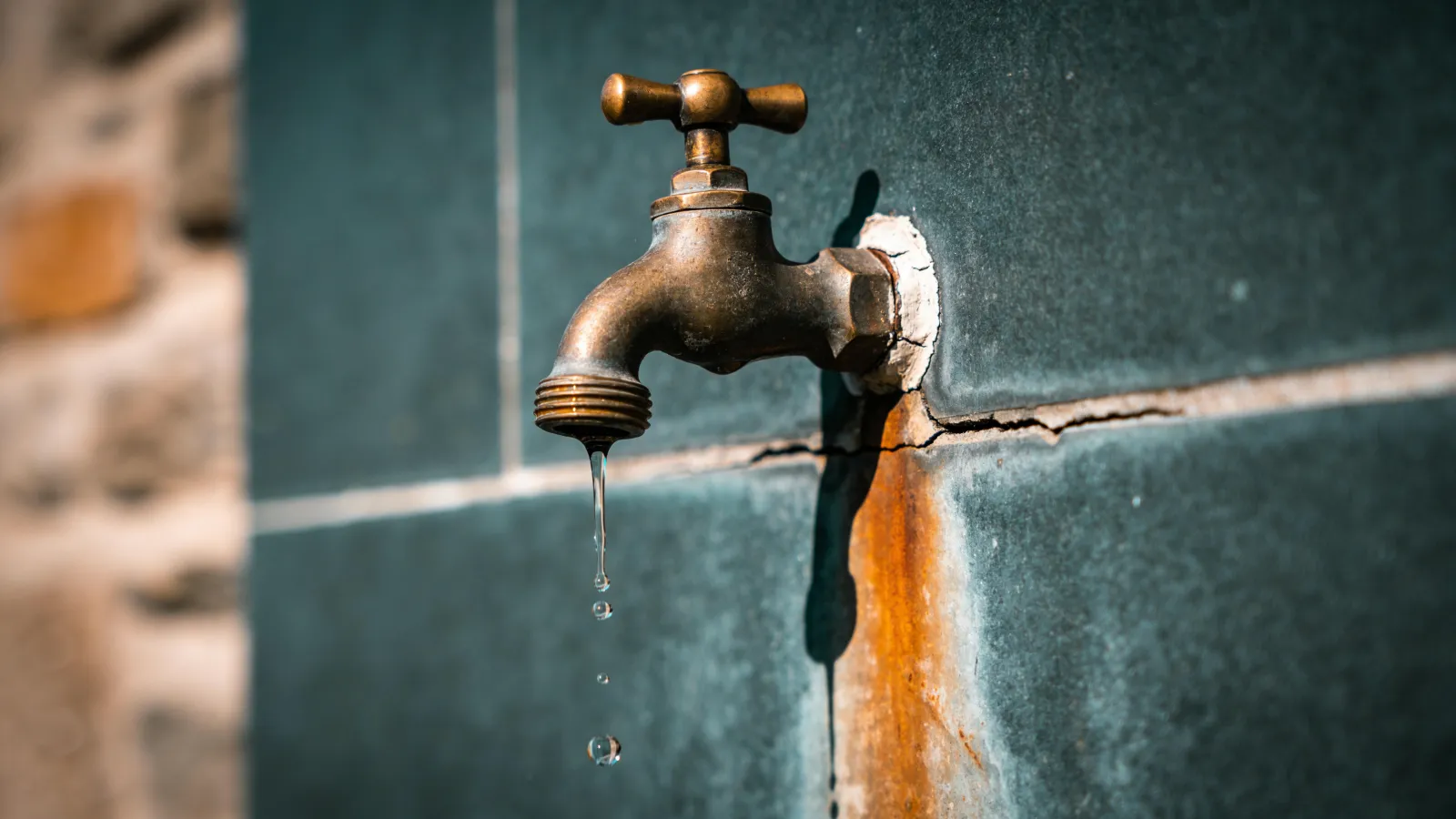
Useful detail answers three questions: what is happening, when did it start, and what has changed. Note whether the fault is constant or intermittent, whether it affects one area or the whole building, and any noises, smells, leaks or error codes. Most modern boilers, fire panels and HVAC units display a fault code on a screen. Read it out or photograph it. That single code often tells the engineer the part to bring before they set off.
A strong fault description includes:
- The exact location: floor, room, unit number, "the rooftop AHU serving the second floor", not "upstairs"
- When it started and whether it is getting worse
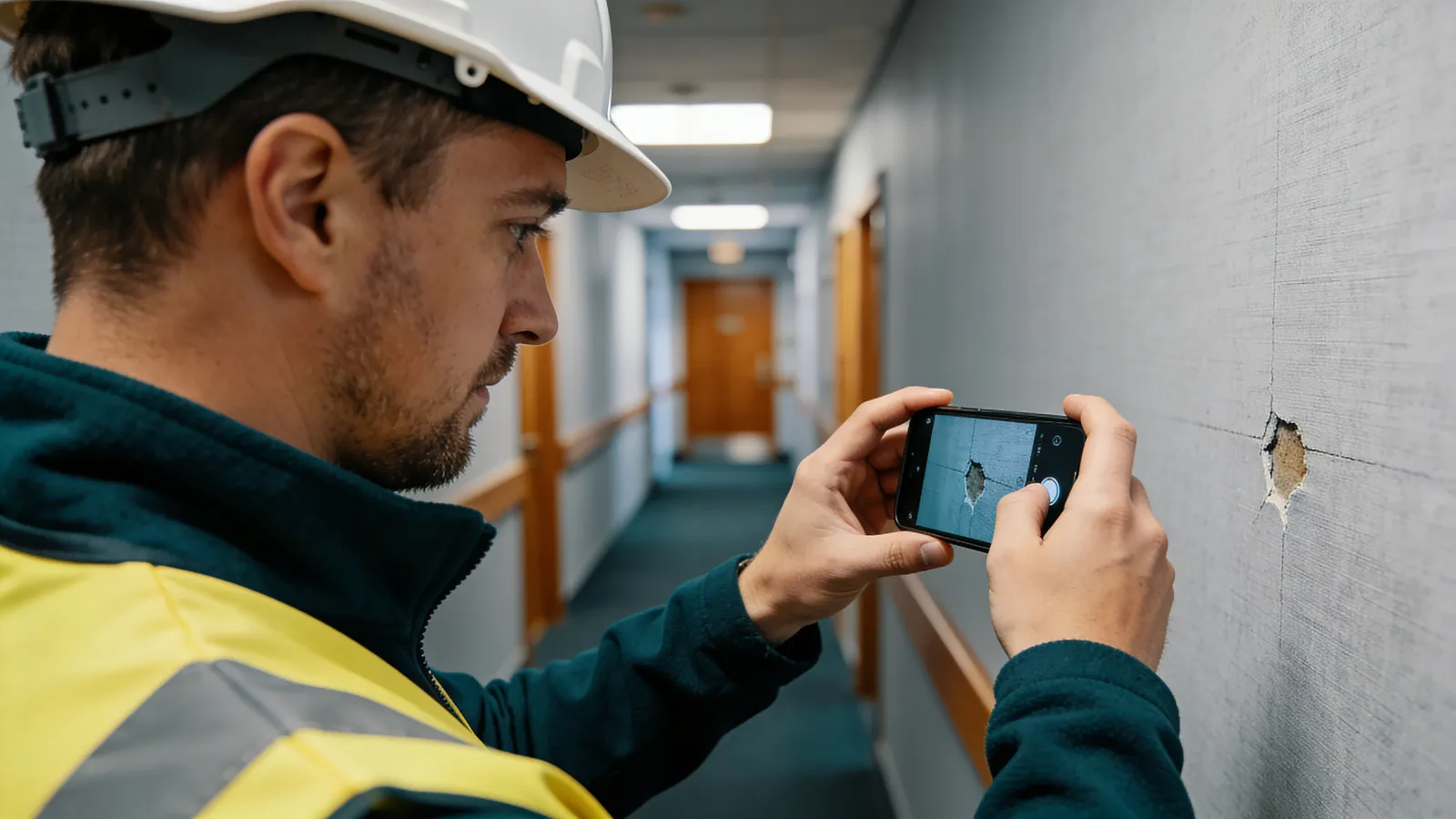
- Any error codes, indicator lights or alarm messages, with a photo
- What you have already tried, such as resetting a tripped breaker
- A clear statement of access constraints, covered below
Get the access and safety details in early
A surprising share of failed first visits has nothing to do with the fault. The engineer simply cannot get to it. In Scotland that often means a locked plant room, a roof hatch needing a fall arrest harness, a tenant who must be present, or a close door entry system with no code.
Sort this out in the brief, not at the door. Confirm who holds keys, whether a fob or code is needed, and whether anyone must escort the engineer. If the work is above two metres, in a confined space, or near asbestos containing materials in a pre 2000 building, flag it so the right equipment and method statement come with the visit. For tenanted property, give 24 hours notice and confirm the tenant will grant access, or the visit fails before it begins.
Also state your site hours. An engineer arriving at a retail unit at 09:00 when the shutters lift at 10:00 is a wasted slot for everyone.
Set the priority and the realistic timeframe
Not every fault is an emergency, and treating everything as one slows down the jobs that genuinely are urgent. Be honest about priority so the contractor can schedule sensibly.
A simple three tier scale works well:
- Emergency, attend within hours: no heating in winter, water ingress, a security or fire safety failure, anything making the building unsafe or unusable
- Urgent, attend within one to two working days: a fault degrading service but not dangerous, such as one of two lifts down or a partial heating loss
- Routine, attend within five to ten working days: minor repairs, cosmetic damage, planned remedial work
Tie the priority to what the building actually needs and to your obligations. A landlord under the Repairing Standard, or a factor acting under a title deed, may have defined response times to meet. Stating the deadline up front lets the contractor confirm they can hit it rather than discovering the clash later.
Give the contractor what they need to come prepared
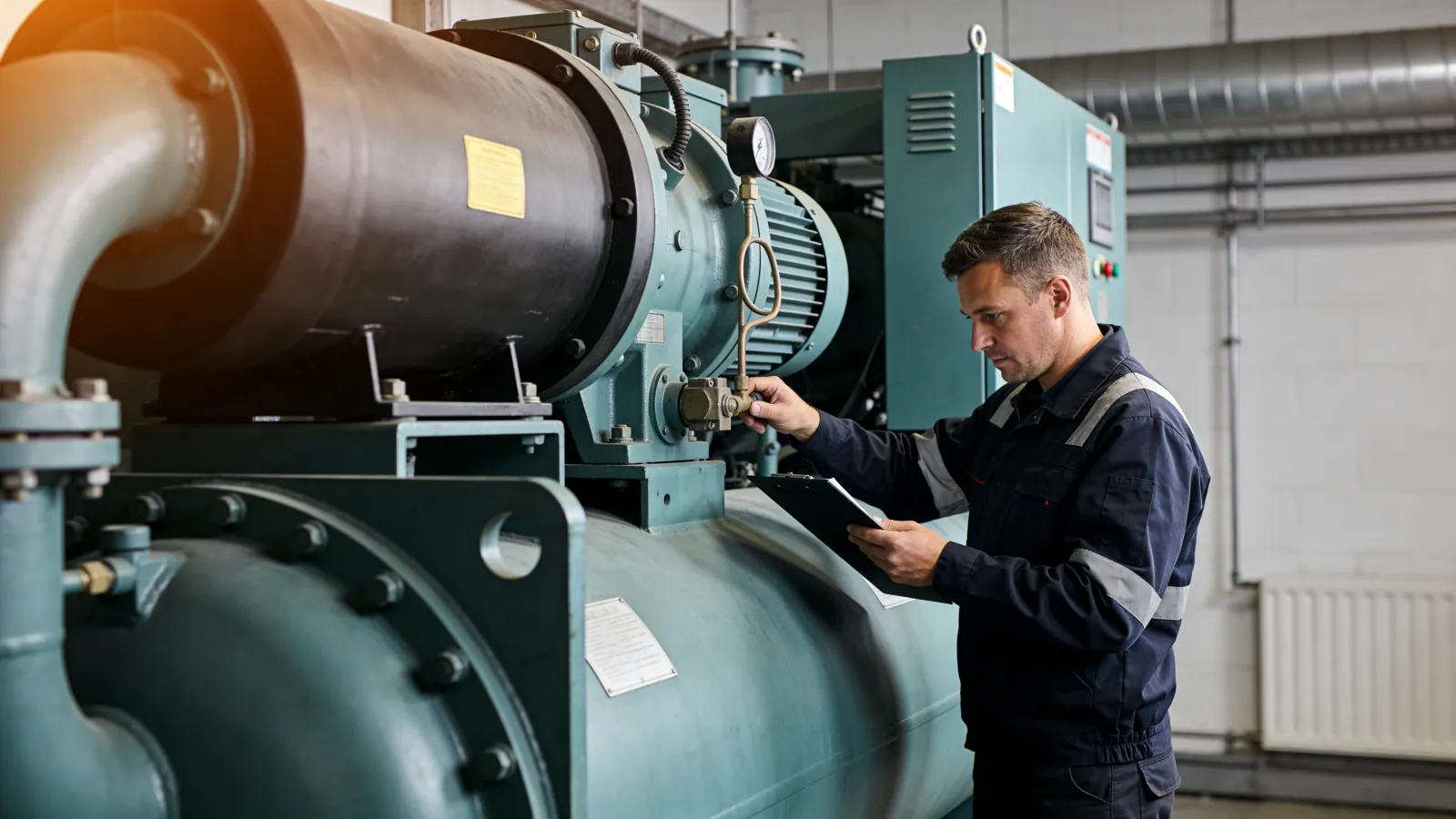
The final piece is everything that helps an engineer arrive with the right parts and the right history. Make and model numbers matter most. A photo of the data plate on a boiler, pump, door closer or air handling unit lets the contractor check spares before leaving. For a known recurring fault, share the last report so they are not starting from scratch.
This is where a single accountable partner earns its keep. When ORVO Group holds the asset records, service history and access details for your sites, the brief is half written already, and the engineer turns up knowing the building. One point of contact means you describe the fault once rather than repeating it to a call centre, a scheduler and an engineer in turn.
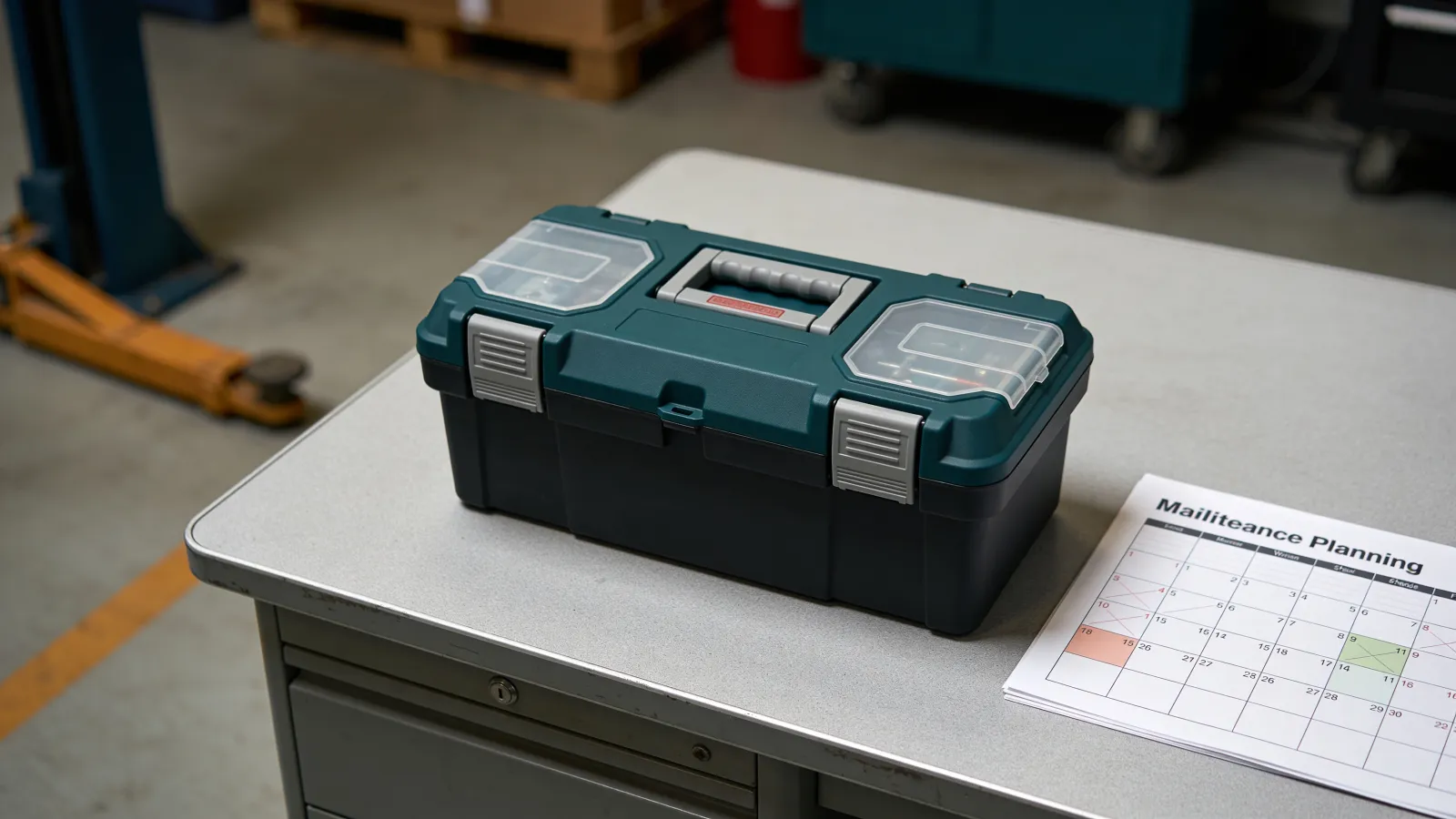
Keep a short standing note per property: key holders, access method, parking, plant locations and any quirks. Attach it to every call out and you remove the same friction every time.
Brief it once, fix it once
A first time fix is rarely luck. It is the result of a clear fault description, sorted access, an honest priority, and the asset detail an engineer needs to come prepared. Build those four habits into how you report and your repeat visit rate falls, your costs settle, and your buildings stay working.
If you would rather hand the whole cycle to one team that keeps the records and turns up ready, learn more about our property maintenance service or get in touch to talk through your sites.