Most expensive repairs do not start as expensive repairs. They start as a small stain, a faint smell, a draught, or a tap that drips when nobody is watching. Left alone, each one keeps working away at the building until the bill stops being measured in tens of pounds and starts being measured in thousands.
For commercial property owners and facilities managers in Scotland, the maths matters. A damp Scottish winter is patient, and a problem that would be a quick fix in June can be a flooded plant room by February. Below are five common repairs that look minor on a Monday and become major by the end of the quarter, along with the timeframes that keep them small.
Small water leaks
A slow leak under a sink or behind a cistern rarely floods anything dramatically. That is exactly why it gets ignored. The water finds the path of least resistance, soaks into chipboard, plasterboard, or subfloor, and sits there.
Within a few weeks you can have softened skirting and a musty smell. Within a few months you can have rotted joinery, a colony of mould, and electrics that are now a genuine safety concern. A washer or a tightened compression fitting costs very little. Replacing a kitchen carcass, a section of subfloor, and the wall behind it does not.
- Check under-sink units, WC cisterns, and water heaters monthly for damp, staining, or limescale crust.
- Treat any persistent damp smell as a leak until proven otherwise.
- Fix a confirmed leak within 48 hours, not at the next scheduled visit.
Cracked or blocked guttering
Gutters and downpipes are the cheapest insurance a building has, and they are usually the first thing nobody looks at. In Scotland they take a hammering: leaves in autumn, ice expansion in winter, and heavy rain most of the year.
When a gutter blocks or a joint cracks, water no longer travels to the drain. It runs down the wall instead. Over one winter that creates penetrating damp, spalled render, and saturated masonry. Over two or three it reaches internal walls and structural timber. Clearing a gutter is an hour with a ladder. Repairing the damp wall it has been feeding is a far larger job involving render, internal replastering, and drying time.
Clear gutters twice a year, ideally late autumn after leaf fall and again in spring. After any major storm, do a quick visual check for overflowing or sagging sections.
Failing sealant and worn pointing
The thin line of silicone around a window, a shower tray, or a roof flashing is doing real structural work. So is the mortar pointing between bricks or stone. When either fails, it stops being a seal and becomes an open invitation.
Perished sealant around a shower lets water track into the wall behind the tiles, which is how a tired bathroom quietly becomes a ceiling collapse in the room below. Eroded pointing lets driving rain into a cavity or solid wall, where it freezes, expands, and prises the masonry apart. Re-sealing a window or re-pointing a small area is a modest planned job. Repairing frost-damaged stonework and water-damaged ceilings is not.
- Inspect window and wet-room sealant once a year for gaps, mould, or lifting edges.
- Check pointing on exposed and weather-facing elevations, where Scottish wind-driven rain hits hardest.
- Re-seal or re-point as soon as the line breaks, before a full winter passes through the gap.
Sticking and dropping doors
A fire door that drops on its hinges, a self-closer that no longer pulls the door shut, or a gap that has widened past the rated maximum is not just an annoyance. In a commercial building it is a compliance failure and a safety risk, and it can void aspects of your insurance after an incident.
Beyond fire doors, a door that drags on its frame is usually telling you something. It can mean settled hinges, swollen timber from moisture, or movement in the surrounding structure. Adjusting hinges or planing a leaf is quick. Ignoring the underlying cause, particularly if it is moisture or movement, lets the real problem grow.
Test door closers, latches, and fire-door gaps as part of routine checks, and log anything that no longer self-closes cleanly.
Blocked or slow drains
A slow gully or a sink that takes a moment to clear seems harmless. It is the early warning of a partial blockage, and partial blockages become full ones, usually at the worst possible time.
A backed-up drain can flood a kitchen, a plant room, or a car park, bring sewage into the building, and shut down trading for a day. A planned drain clear or a CCTV survey to find a root intrusion is straightforward and cheap by comparison. Deal with slow drainage early, especially before heavy autumn rainfall arrives.
The pattern, and what to do about it
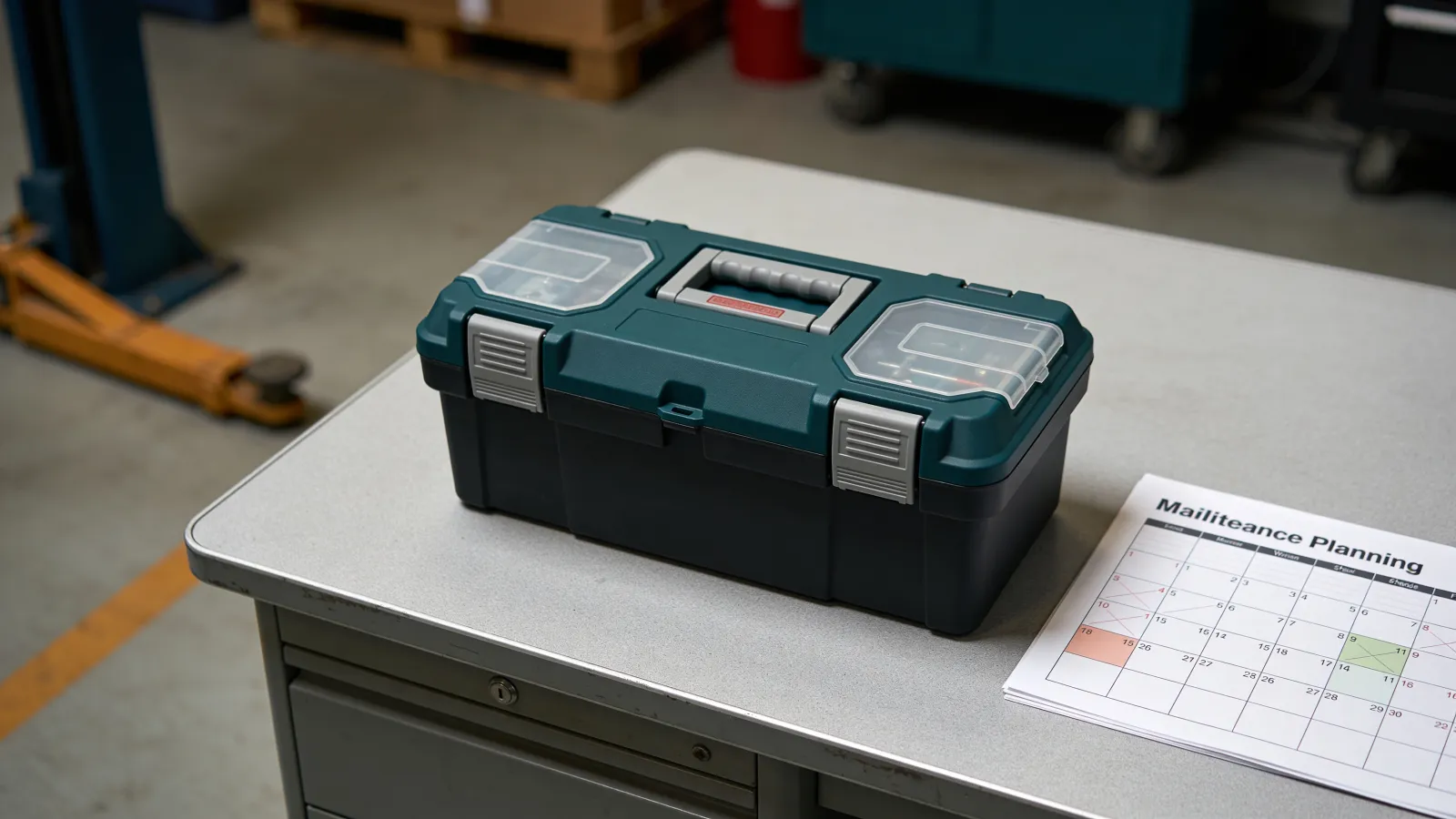
Every item here shares a logic. Water, movement, and time do the damage, and a small intervention now removes the fuel. The single most effective habit is planned, recorded maintenance: regular inspections, clear timeframes for acting, and one accountable partner who notices the stain before it becomes a structural repair.
That is the work ORVO Group is built around. Rather than juggling separate contractors for plumbing, joinery, and damp, you get one point of contact who keeps the small jobs small. If you would like a planned approach to catching these problems early, take a look at our property maintenance service or get in touch for a straightforward conversation about your building.