If you manage more than one property, you already know the quiet tax of fragmentation. A boiler fault in Aberdeen lives in one email thread. A roof inspection in Glasgow sits in a spreadsheet. A cleaning schedule for an Edinburgh office hides in a WhatsApp chat with a contractor whose number you half remember. Each site works in isolation, and the picture only assembles in your head, usually at the worst possible moment.
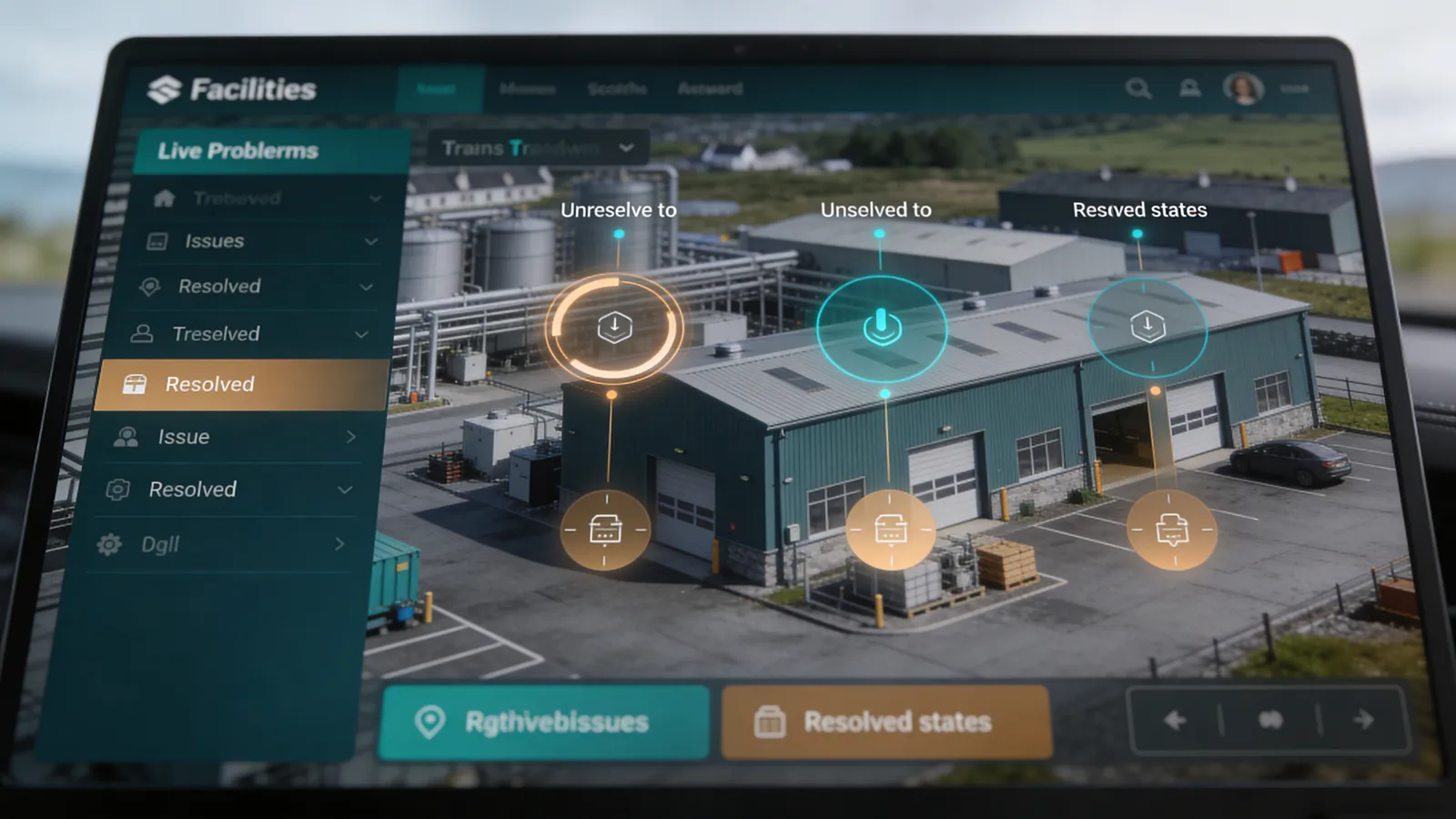
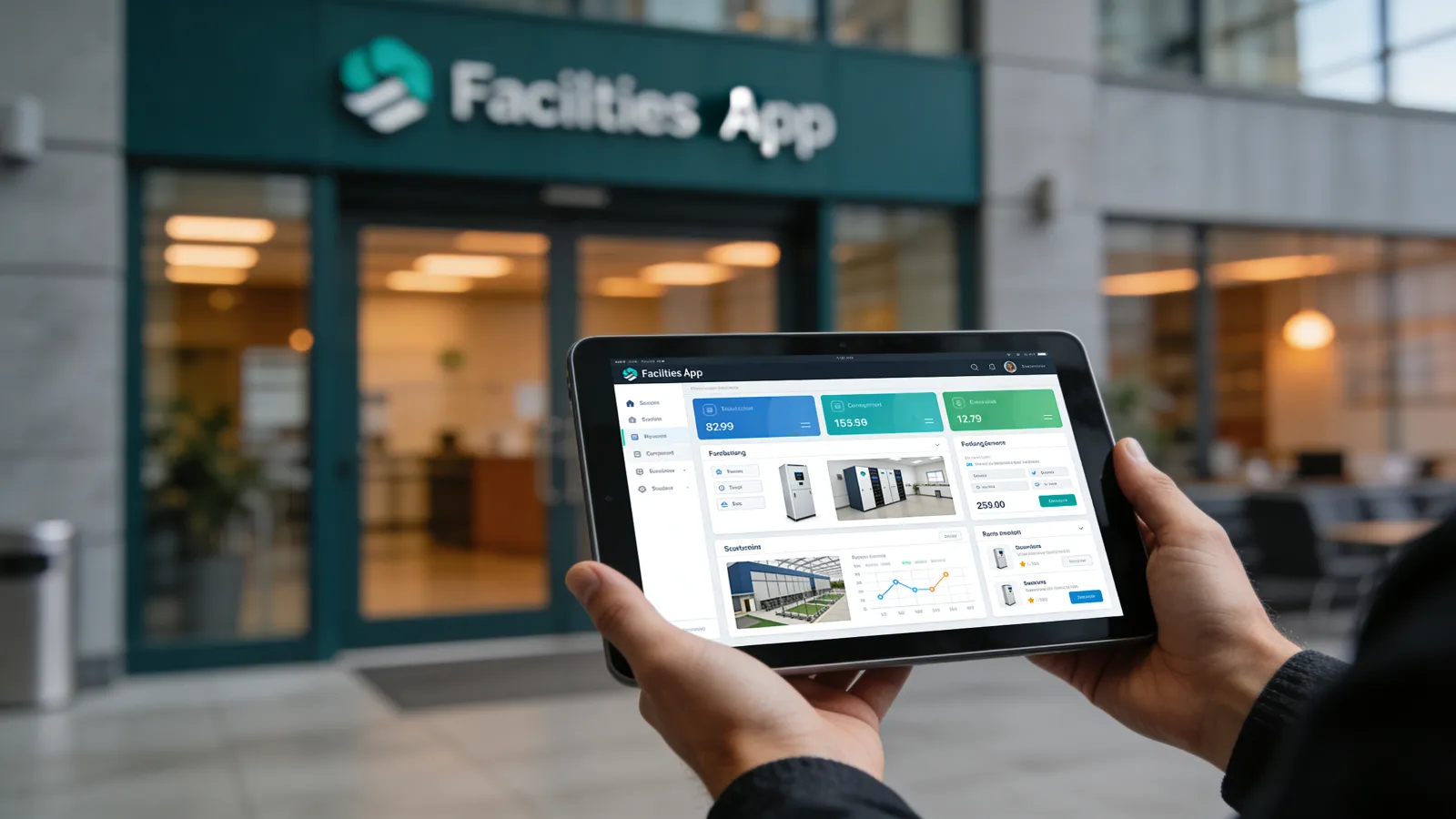
Multi site visibility means putting all of that in one place. Not as a vague idea, but as a single screen where every property, job, cost and document is visible, current and accountable. Below is what that actually looks like in practice, and how to get there without buying software you will never fully use.
What "one screen" really means
A genuine portfolio view is more than a list of addresses. It should answer the questions you ask most often, in seconds, without a phone call:
- Which sites have open jobs, and how long have they been open?
- What is overdue, what is booked, and what is waiting on me to approve it?
- How much have I spent per property this quarter, and on what?
- When is the next statutory inspection due (gas safety, fire alarm, legionella, PAT)?
- Who attended site last, and what did they report?
When those answers sit behind one login, the daily admin shrinks. You stop chasing updates and start scanning them. A portfolio of fifteen sites that used to need a morning of email triage can be reviewed over a coffee, because the exceptions surface and the rest stays quiet.
The hidden cost of scattered information
Fragmentation is not just annoying. It costs money and creates risk, and the bill is rarely itemised.
Duplicate work is the obvious one. Two people booking the same drain clearance because neither could see the first request. The subtler cost is the missed deadline. Legionella risk assessments in Scotland are expected to be reviewed at least every two years, and more often where the risk profile changes. Gas safety checks on let property are annual. When those dates live in separate files, one inevitably slips, and a slip can mean a void inspection, an insurance dispute, or a tenant left without heating in January.
Then there is the cost of not knowing what you spend. Without a per site cost view, a property that quietly soaks up reactive callouts looks the same as one that runs cleanly. You only notice the difference when the annual figures land. A single dashboard lets you compare like for like and ask why one site costs three times another. Often the answer is a deferred repair that should have been planned, not patched.
How a single dashboard changes the work
The shift is from reacting to managing. Here is the difference in plain terms.
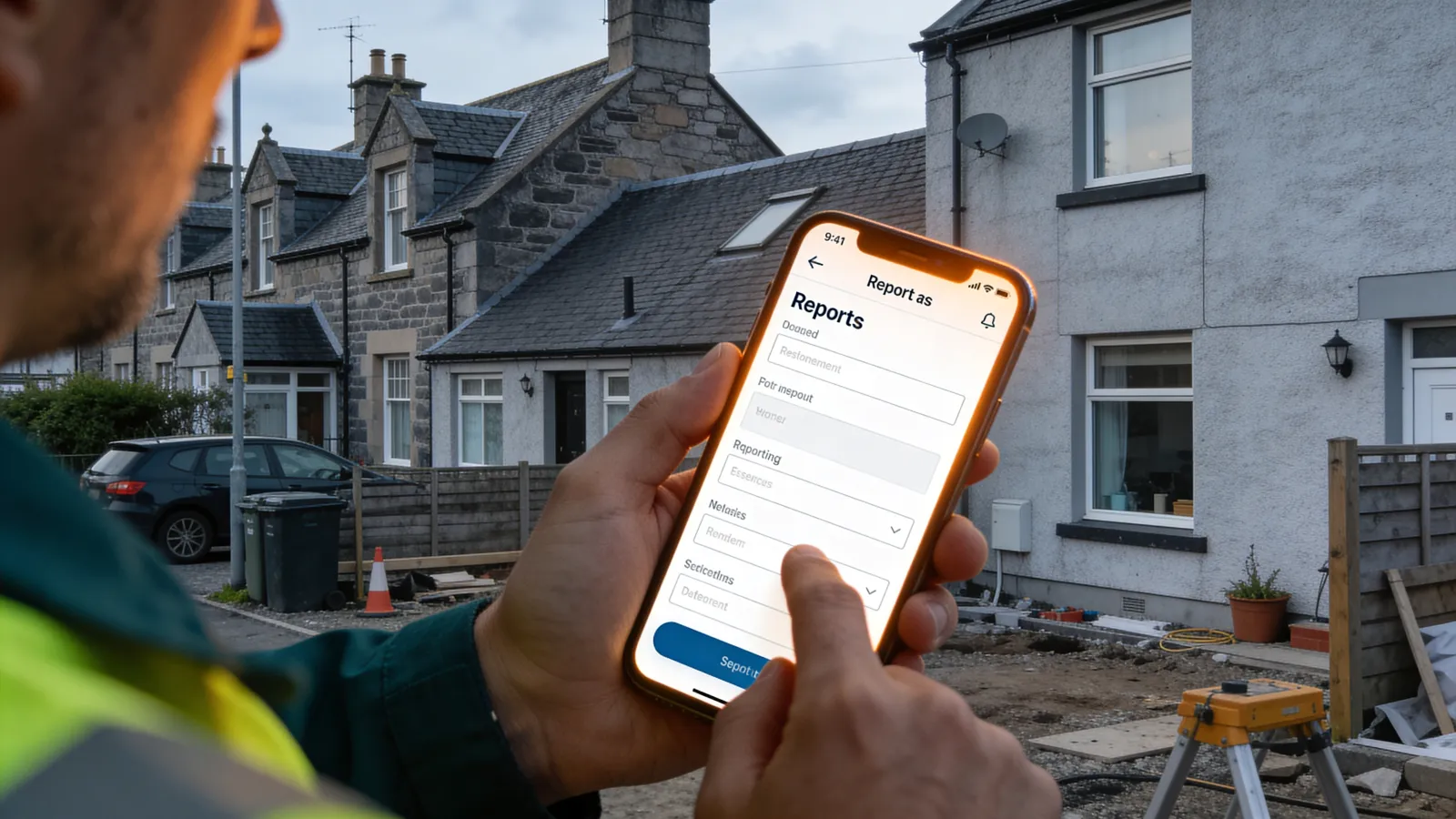
When a fault is reported, it becomes a job with a reference, a status and an owner the moment it lands. You can see it move from logged, to assigned, to attended, to closed, with photos and notes attached at each stage. Nothing depends on remembering to forward an email.
Approvals stop being bottlenecks. If a repair quote exceeds a threshold you set, say 250 pounds, it waits for your sign off in one place rather than buried in your inbox. You approve, decline or ask a question, and the contractor is notified automatically.
Reporting becomes a by product rather than a project. Because every job carries its cost and category, the quarterly summary writes itself. You can hand a clean breakdown to a board, a client or a property factor committee without rebuilding it from receipts.
This is the thinking behind ORVO Connect, the dashboard we give clients so they see their whole portfolio the way we do, with no separate report requests and no waiting on an account manager to answer a basic question.
Getting your portfolio onto one view
You do not need to digitise everything at once. A staged approach works better and avoids the trap of a half finished system nobody trusts.
- Start with an accurate asset list. Walk each site or use existing surveys, and record the building, key plant, and any compliance dates you already hold.
- Centralise the inbox next. Route all maintenance requests to one address or form, so nothing starts in a private chat.
- Load your compliance calendar. Enter every statutory date with a lead time alert, typically 30 to 60 days, so renewals never arrive as surprises.
- Set spend thresholds and approvers per site, so authority is clear before the first emergency tests it.
- Review weekly for the first month. The early discipline is what makes the screen trustworthy later.
Within a quarter you should be able to open one view and trust it. That trust is the whole point. A dashboard you doubt is just another tab to ignore.
One screen, one point of contact
Multi site visibility is not about watching more dashboards. It is about needing fewer of them, and replacing scattered threads with a single accountable record you can act on. For property owners and facilities managers running sites across Scotland, that clarity is the difference between a portfolio you steer and one that steers you.
If you would like to see your properties on one screen, take a look at our orvo connect service, or get in touch and we will walk you through how it would map to your sites.