Compliance is the part of facilities management that rarely gets praised and always gets noticed when it slips. A missed inspection or an expired certificate can mean an enforcement notice, a void insurance claim, or a building that has to close until the paperwork catches up. The good news is that the core duties are finite and predictable. Once you know what to track and how often, the job becomes routine rather than reactive.
This guide covers the compliance basics that apply to most commercial and residential properties in Scotland, the timeframes that matter, and a practical way to keep records you can actually find.
Start with the legal duties that recur
Most building compliance comes down to a handful of recurring obligations. Each one has an owner, a frequency, and a record. If any of those three are missing, you have a gap.
The duties that catch people out most often are these:
- Gas safety. A Gas Safe registered engineer must inspect appliances and flues annually. For rented residential property, the landlord must provide the tenant with a copy of the gas safety record within 28 days of the check.
- Electrical installation condition reports (EICR). Fixed wiring should be inspected at least every five years, and Scottish private rented housing requires an EICR every five years by law, plus checks on portable appliances.
- Fire risk assessment. Under the Fire (Scotland) Act 2005 and associated regulations, the responsible person must keep a current fire risk assessment and review it regularly, typically annually or whenever the building changes.
- Water hygiene and legionella. A legionella risk assessment should be reviewed every two years, or sooner if the system or its use changes. Monthly temperature checks on stored water are common practice.
- Lifts and lifting equipment. Passenger lifts need a thorough examination every six months under LOLER, carried out by a competent person.
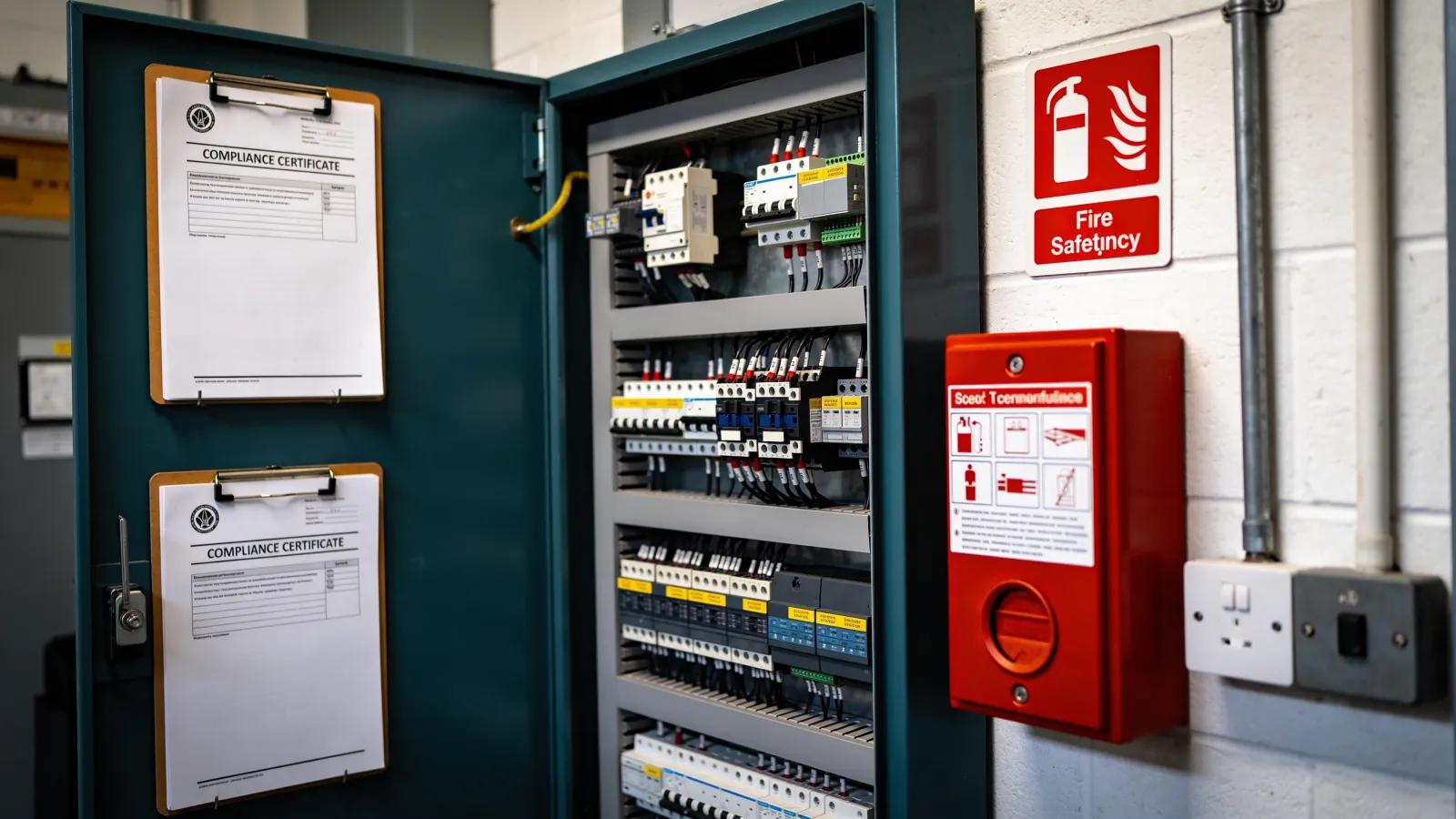
- Emergency lighting and fire alarms. Emergency lighting needs a brief monthly function test and a full annual duration test. Fire alarm systems need weekly call point tests and a service at least twice a year.
These are the load bearing items. Get them scheduled and evidenced, and you have removed most of the day to day risk.
Match the frequency to a calendar, not a memory
The single most common failure is not a lack of knowledge, it is a lack of scheduling. A certificate that lapsed in March because nobody booked the renewal in February is a process problem, not a technical one.
Build a compliance calendar that lists every recurring duty with its due date, its owner, and the contractor responsible. Set reminders at least six weeks ahead of any annual inspection, because that gives you time to book a competent engineer, handle access, and chase a certificate before the deadline. For statutory items like gas and electrical work, confirm the engineer holds the right registration before they attend, not after.
A few practical habits keep the calendar honest:
- Record the date the work was done and the date the next one is due, side by side.
- Note the certificate reference number so you can retrieve the document quickly.
- Flag any remedial actions and track them to completion, because an inspection that finds a fault is only useful if the fault gets fixed.
Keep records that survive an audit
When an insurer, a fire officer, or an enforcement body asks for evidence, you need to produce it within hours, not days. Scattered emails and a drawer of paper certificates do not pass that test.
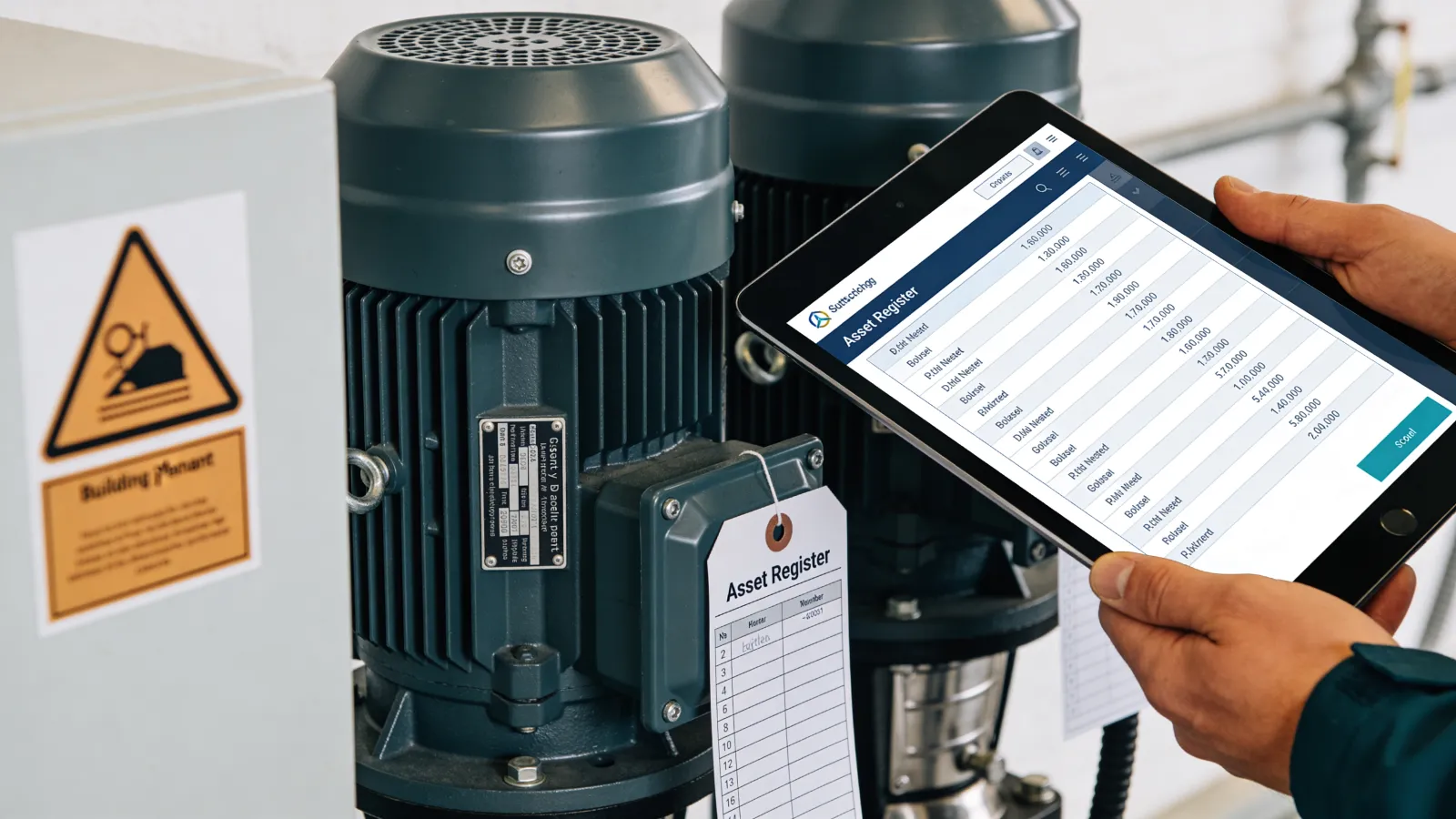
Hold your records in one place, ideally a digital system that stores the certificate, the date, and the next due date together. Keep gas and electrical records for at least the length of the current certificate plus the previous one, and keep fire and water records for as long as the property is in use. Many Scottish landlords and property factors are now expected to show a clear trail, and the Repairing Standard for private rented housing makes documented compliance part of the legal duty rather than a nice to have.
If you manage multiple sites, standardise the format. A consistent record across every building means a new manager, or an auditor, can read the position in minutes. This is exactly the kind of work ORVO Group handles for property owners who would rather not carry the scheduling and chasing themselves, with one point of contact across every site.
Review the list when the building changes
Compliance is not static. A change of use, a new tenant, an extension, or a new piece of plant can introduce duties you did not have before. A café added to a retail unit brings extractor cleaning and grease management. A new water tank resets your legionella assessment. Any structural change should prompt a fresh look at the fire risk assessment.
Make a short review part of every significant change. Ask what new equipment has arrived, who now occupies the space, and whether any existing assessment is now out of date. Catching these at the point of change is far cheaper than discovering them during an incident.
Where to go from here
If your compliance is spread across spreadsheets, inboxes, and a filing cabinet, the first step is simply to list every duty, its frequency, and its last completed date in one document. That single act usually surfaces the gaps. From there, a calendar and a tidy record set will carry most of the load.
If you would rather hand the scheduling, inspections, and record keeping to one accountable partner, take a look at our facilities management service or get in touch for a straightforward conversation about your properties.