Nobody gets excited about a spreadsheet of boilers, pumps and fire dampers. Yet the buildings that run smoothly, pass inspections without drama and avoid five-figure emergency bills almost always have one thing in common: a current, accurate asset register. It is the least glamorous document in facilities management and quietly one of the most valuable.
An asset register is simply a structured list of the physical equipment and systems in your property, with enough detail attached that you can plan, budget and act without guessing. Done well, it shifts your maintenance from reactive to planned. Done badly, or not at all, you pay a premium every time something fails because you are starting from zero.
What an asset register actually records
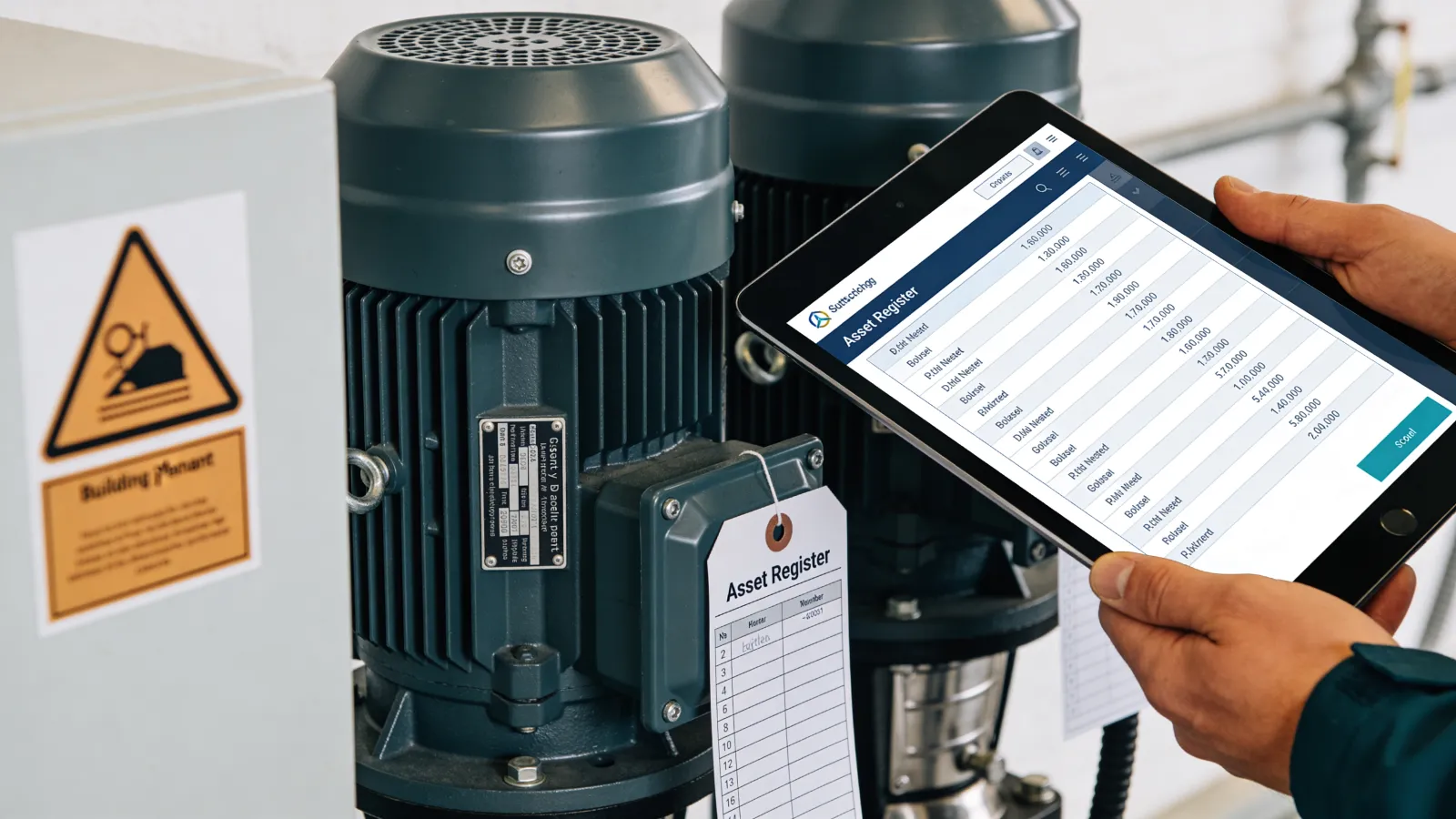
People often picture a bare list of items. A register that earns its keep goes further. For each asset, you want to capture:
- A unique reference or tag number, so the same boiler is never logged twice or confused with another
- Make, model and serial number, which speeds up parts ordering and warranty claims
- Location, down to the floor, plant room or roof, not just the building
- Install date and expected service life, so you can forecast replacement
- Service history and the date of the next due inspection or service
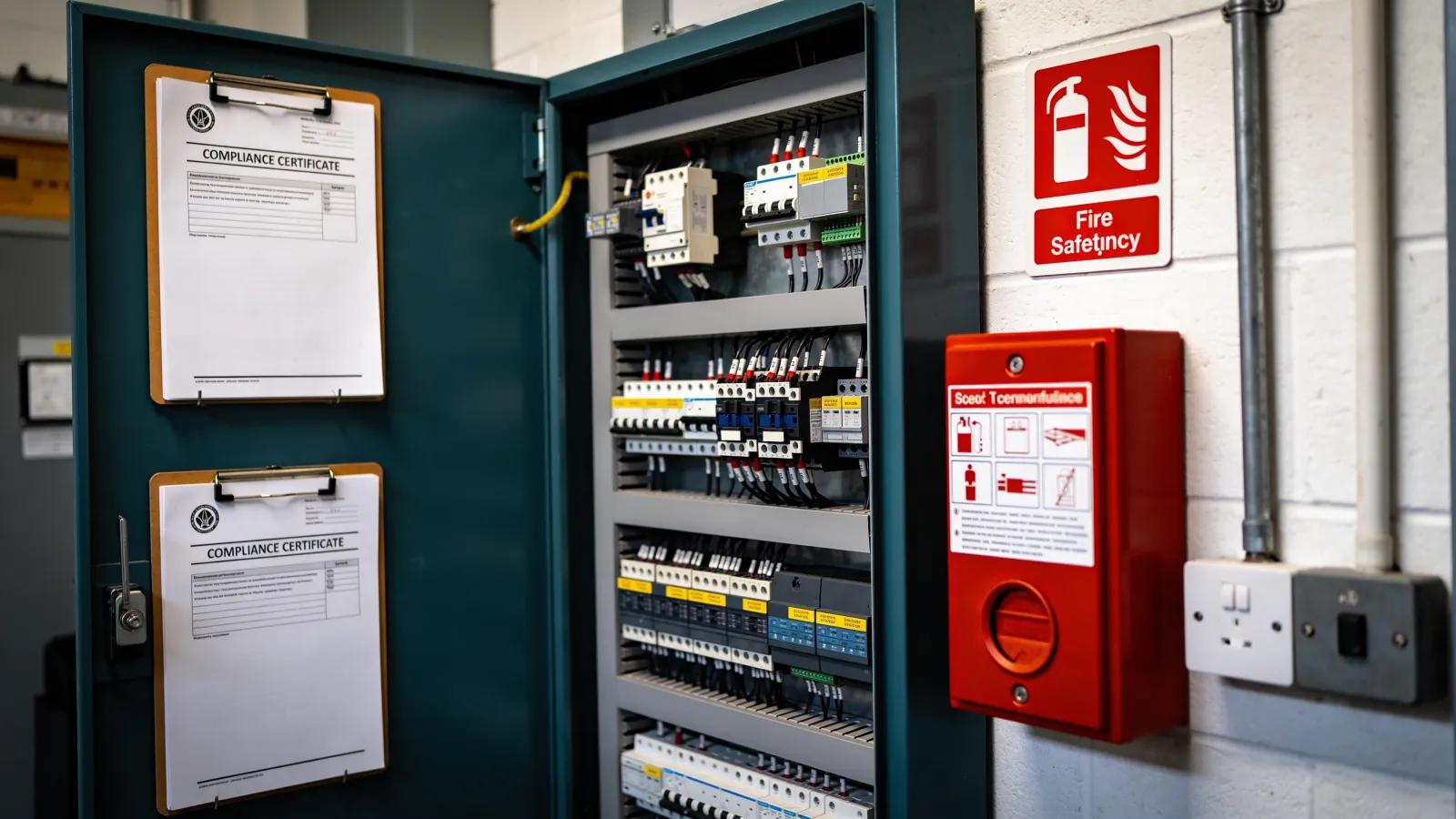
- Any statutory requirement attached, such as gas safety, electrical testing or pressure system checks
- Condition rating, from new through to end of life
That last column is where the money lives. When you know a commercial gas boiler is 14 years into a typical 15 year life, you can budget for replacement in next year's accounts rather than scrambling for an emergency installation in January when the heating dies and a tenant is on the phone.
Why the boring document saves real money
The savings come from a few predictable places. Emergency call-outs cost considerably more than planned visits, often two to three times the rate once you add out-of-hours premiums and expedited parts. A register lets you bundle servicing into scheduled visits and negotiate better rates with a single accountable contractor instead of paying spot prices under pressure.
It also protects you on compliance. In Scotland, commercial property owners and factors carry duties under regulations covering gas, electrical safety, asbestos, legionella and fire safety. Fixed wiring should be inspected and tested, commonly every five years for many commercial settings, and gas appliances need annual safety checks. If your register flags these dates, you never miss one. Miss them and you risk enforcement, invalidated insurance and, in the worst case, liability after an incident.
There is a third saving that is easy to overlook. When you sell, refinance or hand over management, a clean register raises the value of the deal. Buyers and lenders price in uncertainty. A property with documented, well-maintained plant and a clear forward maintenance plan looks lower risk, and that confidence shows up in the numbers.
Building one without it taking over your year
You do not need bespoke software on day one. A solid spreadsheet, kept honestly, beats an expensive system that nobody updates. Start with a walk round every plant room, roof space and riser, photographing nameplates as you go. Capture the big-ticket and safety-critical items first: heating and hot water plant, ventilation, electrical distribution boards, lifts, fire alarm and emergency lighting, pumps and any pressure systems.
Then attach dates. Pull service records from past invoices and certificates, and set the next due date for each statutory item. Review the whole register at least twice a year and update it every time an engineer attends, because a register is only as good as its last entry. Assign one person, or one contractor, to own it. Shared ownership usually means no ownership.
This is where bringing in a single partner pays off. At ORVO Group we build and maintain asset registers as part of facilities management across Scotland, so the document stays current after every visit rather than ageing quietly in a drawer. One point of contact means the same team that services the plant also keeps the record straight.
A small habit with a long payoff
Treat the register as a living tool, not a one-off audit. Glance at it before you set the maintenance budget, before a lease renewal and before winter. Over a couple of years it turns the question "can we afford this repair this month" into "we set this aside in spring", which is a far calmer way to run a building.
Where to start
If your current register is a folder of certificates and a fading memory, the first step is simply getting everything in one place. If you would like a hand building or refreshing yours, take a look at our facilities management service or get in touch and we will walk the building with you and set it up properly.