A builders clean is one of the most misunderstood line items on a construction project. Plenty of people picture a quick run round with a hoover and a damp cloth. In reality, a proper builders clean is a defined, multi-stage process that takes a site from "trades have finished" to "ready to hand over". Get it wrong and you risk a failed handover, an unhappy client, and a snagging list full of avoidable marks. Get it right and the building photographs well, smells right, and reads as finished the moment someone walks in.
This guide sets out what the work actually involves, the stages a reputable contractor follows, and what you should expect to see when the job is done.
The three stages, in order
A builders clean is not a single visit. On most commercial fit-outs and new builds in Scotland it breaks into three distinct stages, each with a different purpose.
- Rough clean (first fix to second fix). This happens while trades are still on site. The aim is to clear bulk debris, offcuts, packaging, and the heaviest dust so following trades can work safely and accurately. Floors get swept, large waste is removed, and obvious hazards are cleared. It keeps the programme moving rather than producing a showroom finish.
- Builders clean (post-construction). Once the trades are off and the building is watertight and weathertight, this is the main event. Every surface is cleaned of construction dust, plaster splashes, paint spots, adhesive residue, and silicone smears. This is the stage most people mean when they say "builders clean".
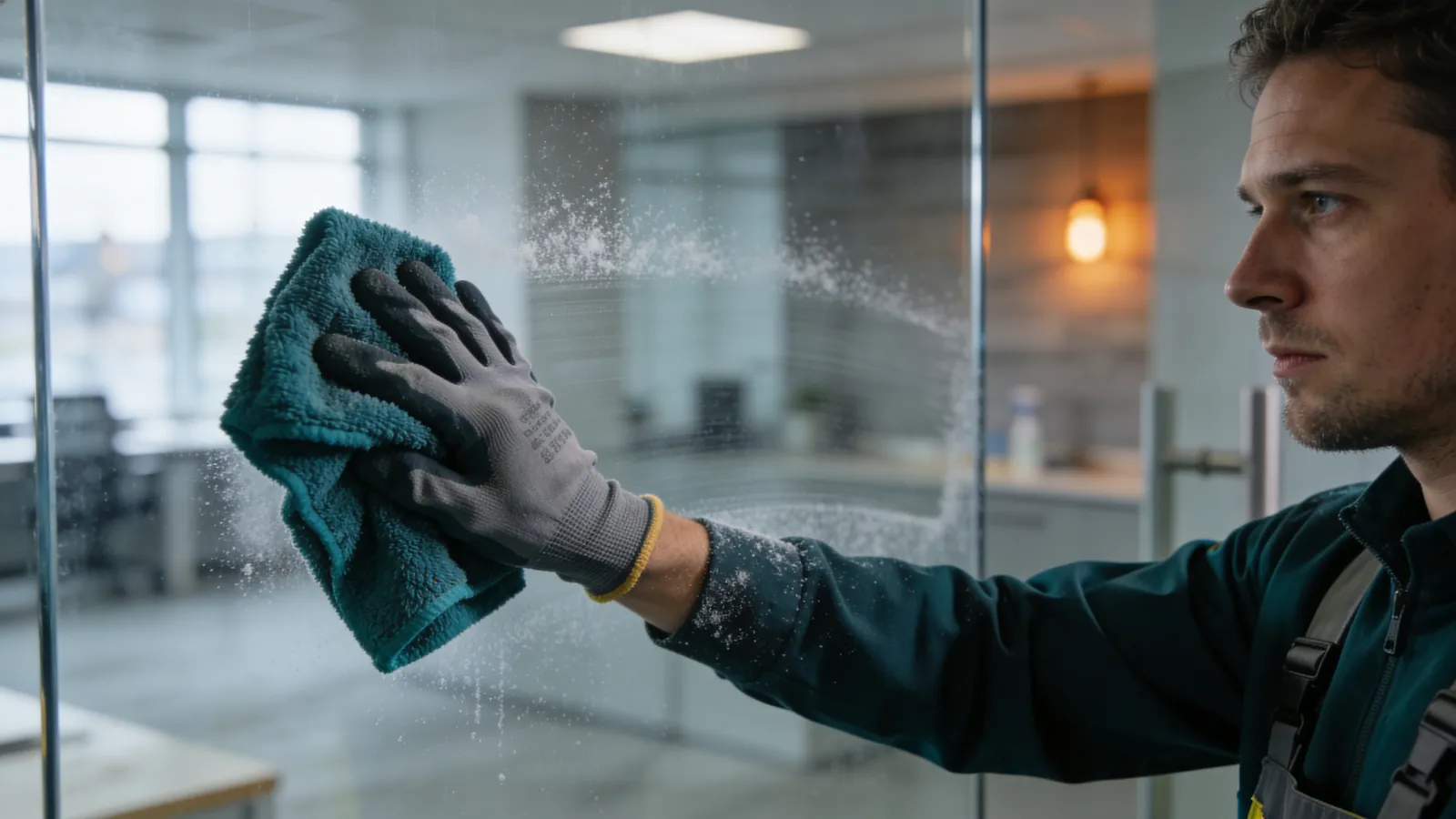
- Sparkle clean (pre-handover). The final detail pass, usually 24 to 48 hours before handover. Glass is polished, fingerprints removed, fixtures buffed, and the building is left presentation ready. Think of it as the difference between clean and finished.
Skipping straight to a sparkle clean without a proper builders clean underneath it is the most common reason a handover looks tired within a day. The dust simply settles back down.
What the builders clean stage covers
The post-construction stage is where the real labour sits. A thorough clean works top to bottom so nothing falls onto an already-cleaned surface. Expect the following as standard:
- Ceilings, light fittings, vents, and the tops of door frames de-dusted.
- Walls wiped down, with plaster, paint, and adhesive marks removed.
- Internal glazing and partitions cleaned both sides, including glass balustrades.
- Window frames, sills, and reveals cleaned; protective film and stickers peeled and any glue residue removed.
- Skirtings, architraves, and door faces wiped, with handles and ironmongery cleaned.
- Sanitaryware, taps, tiling, and grout lines cleaned and de-grouted of haze.
- Kitchen and tea-point units cleaned inside and out, including the tops of cabinets.
- Switches, sockets, and data points wiped without disturbing the fittings.
- Hard floors swept, scraped of plaster and paint spots, then washed; carpets and soft floors vacuumed.
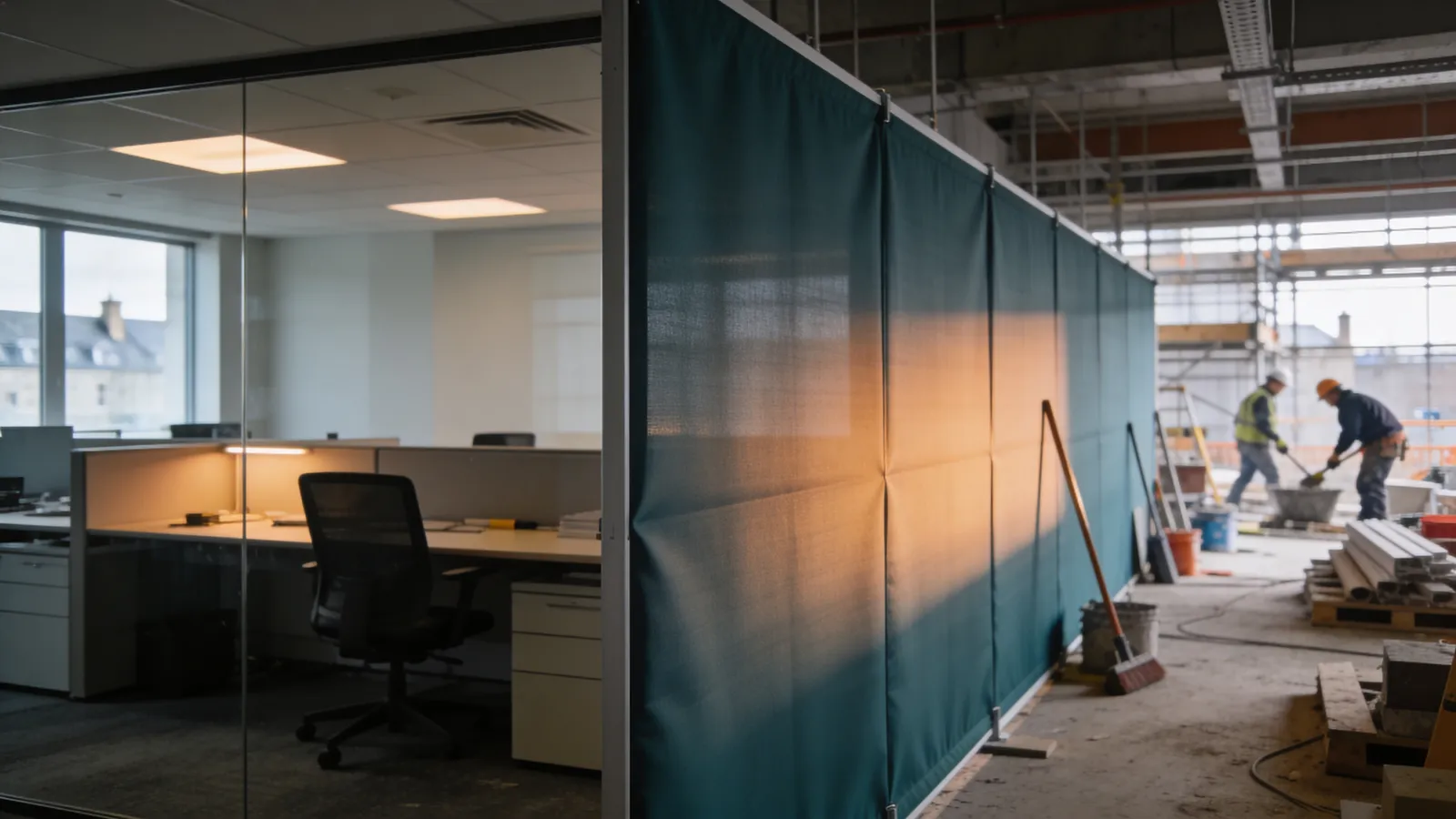
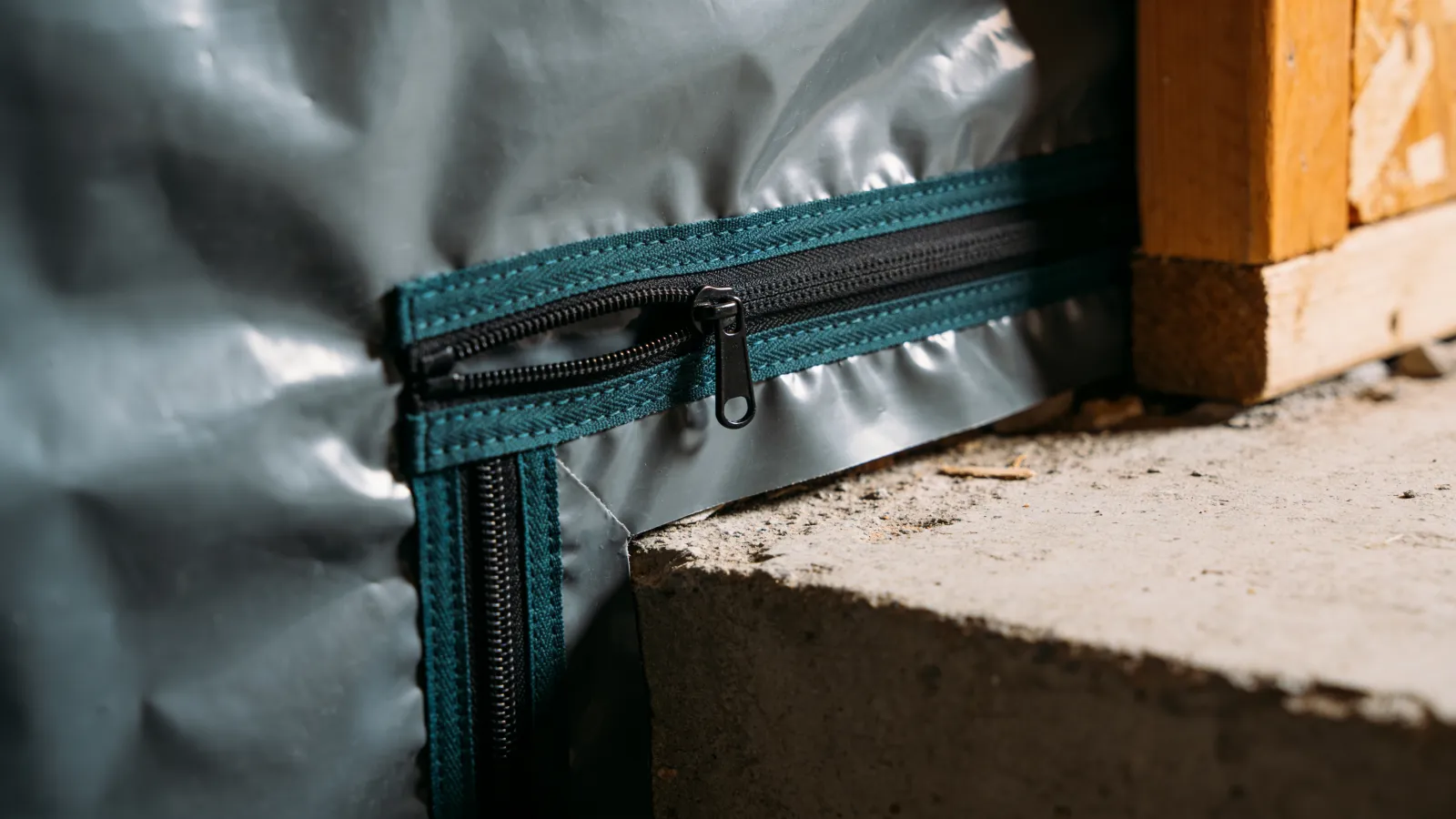
Construction dust is the recurring enemy here. It is fine, it travels, and it carries silica, which is why operatives should wear appropriate PPE and why good airflow management matters. Cleaning a space before dust protection measures come down is wasted effort. The order of works on site has a direct bearing on how well a builders clean holds.
Timings, access, and who supplies what
For planning, a useful rule of thumb is one cleaning operative per 80 to 120 square metres per day for the main builders clean stage, depending on how much paint and plaster overspray needs scraping. A typical 500 square metre office fit-out might need a small team across two to three days, with the sparkle clean booked separately near handover.
A few practical points worth agreeing before anyone turns up:
- Confirm power and water are live on site, and that lifts are working in multi-storey buildings.
- Agree waste responsibility. Removing construction waste is usually the main contractor's duty; cleaning waste is the cleaner's.
- Clarify whether protective floor coverings stay down until after the clean or come up beforehand.
- Book the sparkle clean for after the last trade visit, not before, or you will pay for it twice.
In a Scottish winter, allow extra time. Shorter daylight hours, wet boots tracking grit across finished floors, and salt residue at entrances all add to the workload. Scheduling the sparkle clean as close to handover as the programme allows protects the finish.
How to judge a finished job
Walk the building in daylight and look at it the way a client will. Run a finger along the top of a door frame and a window reveal. Check the corners of glass where stickers sat. Look at floor edges and behind doors, the spots a rushed clean skips. There should be no plaster haze on glass, no paint flecks on hard floors, and no dust visible on a dark surface. ORVO Group treats this final inspection as part of the job rather than an afterthought, because a builders clean is only finished when it survives that kind of scrutiny.
A good contractor will also coordinate the clean with the wider construction support work, so dust protection, waste, and access all line up rather than fighting each other on the programme.
Ready to hand over with confidence
A proper builders clean is planned, staged, and inspected, not squeezed into the final afternoon. If you have a fit-out or new build approaching handover and want it done once, done properly, take a look at our construction support service or get in touch to talk through your programme and the dates that matter.