Welfare facilities are the part of a construction site that everyone uses and few people think about until they go wrong. The toilets, the canteen, the drying room, the hand washing points: these spaces are not extras. They are a legal requirement, and on most Scottish sites they are inspected as part of the same regime that covers scaffolding and edge protection. When welfare cleaning slips, the consequences show up fast, from low morale to a CDM notice.
This post sets out what site welfare cleaning actually involves, why it matters more than people assume, and how to keep it consistent across the life of a build.
What the regulations expect
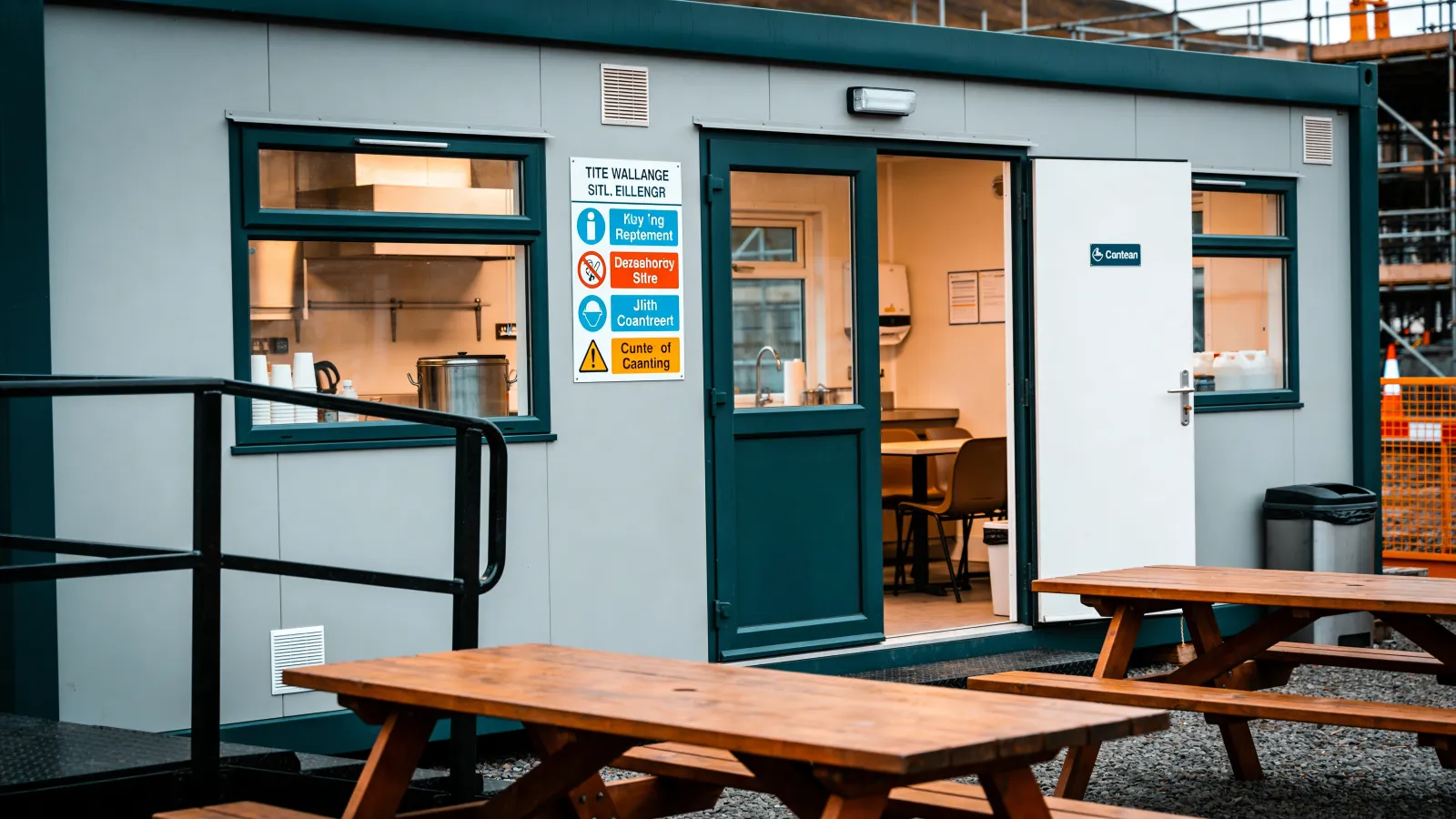
Welfare provision on a Scottish construction site sits under the Construction (Design and Management) Regulations 2015, with detail in Schedule 2. The duty is not vague. It requires suitable and sufficient sanitary conveniences, washing facilities, drinking water, rest areas and changing rooms, and it requires that these be kept in a clean and orderly condition.
The Health and Safety Executive can and does visit sites in Scotland, and welfare is one of the first things an inspector looks at because it is visible and quick to assess. A canteen with food waste left out, or toilets without soap and running hot water, signals wider problems with how a site is run. Getting welfare right is partly about the law and partly about what it tells a visitor about your standards.
Practical baselines worth holding to:
- Hot and cold running water at every washing point, with soap and a means of drying hands
- Toilets cleaned at least daily, and more often on sites above roughly 50 operatives
- A rest area that is genuinely usable, with surfaces wiped down and bins emptied
- Drinking water that is clearly marked and kept separate from washing supplies
- Drying rooms cleared of debris so wet gear can actually dry
Why it matters beyond compliance
Compliance is the floor, not the ceiling. The stronger argument for welfare cleaning is productivity and retention. A wet, cold December morning in Glasgow or Aberdeen is hard enough without a drying room full of mud and a canteen you would rather not sit in. Operatives who have somewhere clean to warm up, eat and dry off come back to the tools faster and stay on site longer.
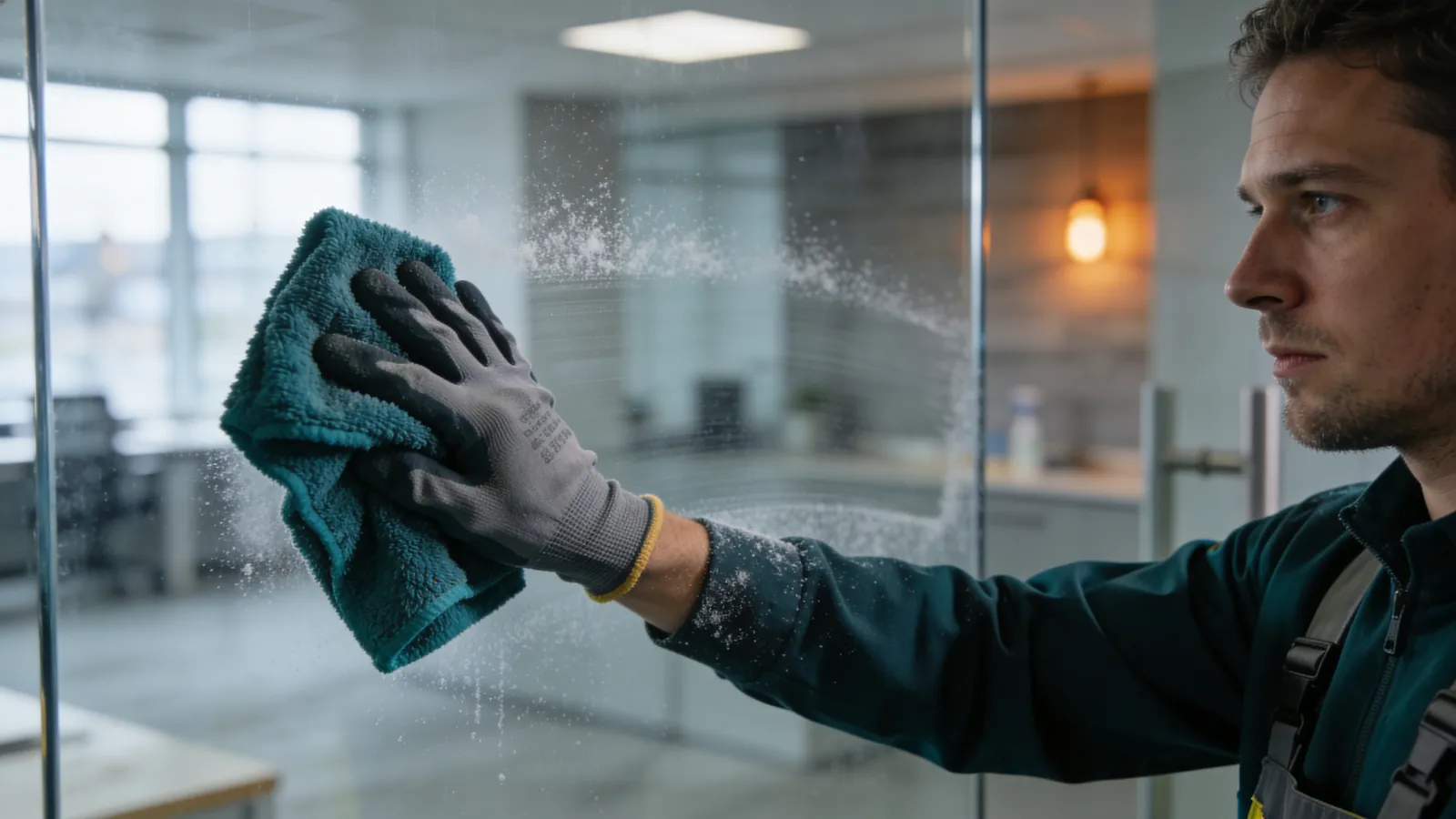
There is a health dimension too. Shared welfare units are exactly the kind of high contact environment where stomach bugs and respiratory infections spread. One outbreak that takes four trades off a programme for a week costs far more than a year of proper cleaning. Hand washing points that actually work, surfaces cleaned with the right products, and bins managed daily are cheap insurance against lost days.
It also affects how clients and main contractors view a subcontractor. On framework work and repeat tenders, site presentation is noticed. A tidy, clean welfare setup is a small signal that the rest of the work is being run with the same care.
Keeping it consistent through the programme
The hard part is not cleaning a welfare cabin once. It is keeping standards steady across a build that might run eighteen months, through changing operative numbers, weather and trades. Welfare needs scale up and down with the headcount, and the cleaning schedule has to move with it.
A few habits that hold the line:
- Match cleaning frequency to peak occupancy, not the day the cabin arrived
- Build welfare cleaning into the daily site routine rather than treating it as an occasional deep clean
- Restock consumables (soap, paper, bin liners) on a fixed cycle so they never run dry
- Keep a simple signed record of cleaning, which also satisfies an inspector quickly
- Plan an end of programme clean before handover, when welfare units are stripped out
Winter deserves its own thought. Scottish sites carry far more mud and water inside from October to March, so drying rooms and entrance matting need attention every day, not weekly. Heating in rest areas should be checked at the same time, because a clean but freezing canteen will not get used.
This is where bringing in a dedicated cleaning partner earns its place. ORVO Group handles site welfare cleaning across Scotland as part of our wider construction support, which means one accountable contact for welfare, dust protection and the builders clean at the end. That single point of contact matters on a busy site, where the last thing a site manager needs is another supplier to chase.
The link to dust and the wider clean
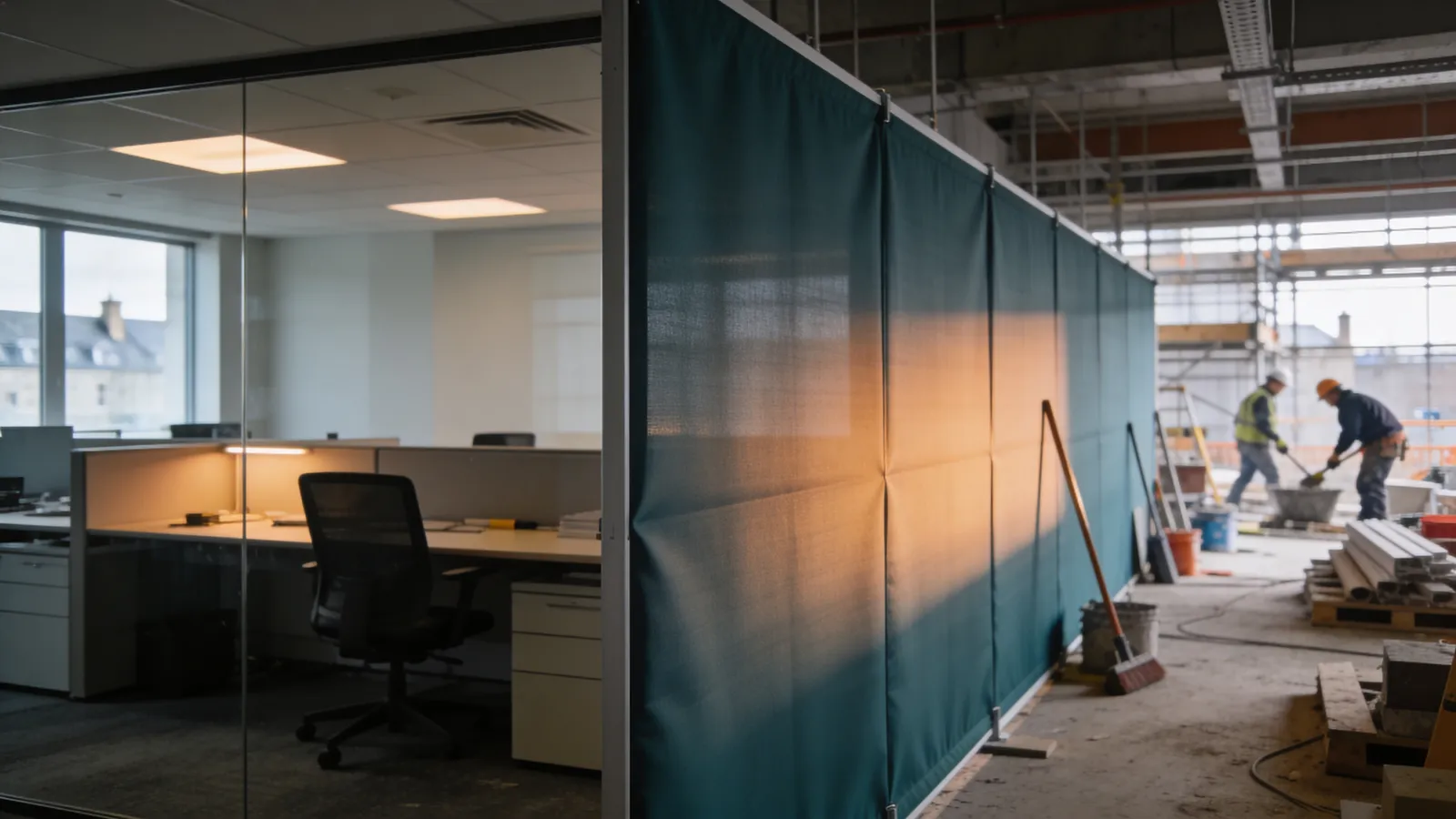
Welfare cleaning does not sit on its own. The same dust that needs controlling on the working floor finds its way into canteens and changing areas on boots and clothing. Good dust protection upstream keeps welfare areas cleaner and reduces the load on daily cleaning. Treating the two together, rather than as separate jobs, is what keeps a site genuinely tidy rather than just spot cleaned.
A clean site is a well run site
Site welfare cleaning is one of the clearest signals of how a build is being managed. It protects your operatives, keeps you on the right side of CDM, and tells clients you take the details seriously. Get it right early and keep it consistent, and it quietly supports everything else on the programme.
If you would like welfare and dust managed by one team, take a look at our construction support service or get in touch to talk through your site.