Scottish winters arrive early and stay late. By the time the clocks go back in late October, overnight temperatures across much of the country are already dropping below freezing, and the first hard frosts often land before the end of November. For commercial property, that combination of cold, wet and short daylight hours puts steady pressure on roofs, pipes, drainage and access routes. The cost of getting caught out, a burst pipe over a closed weekend or a slip on an ungritted path, almost always dwarfs the cost of preparing properly.
The good news is that winter readiness is mostly about timing and routine. Work through the checklist below from late September, and you will avoid the scramble that hits everyone else in December.
Start with the building envelope
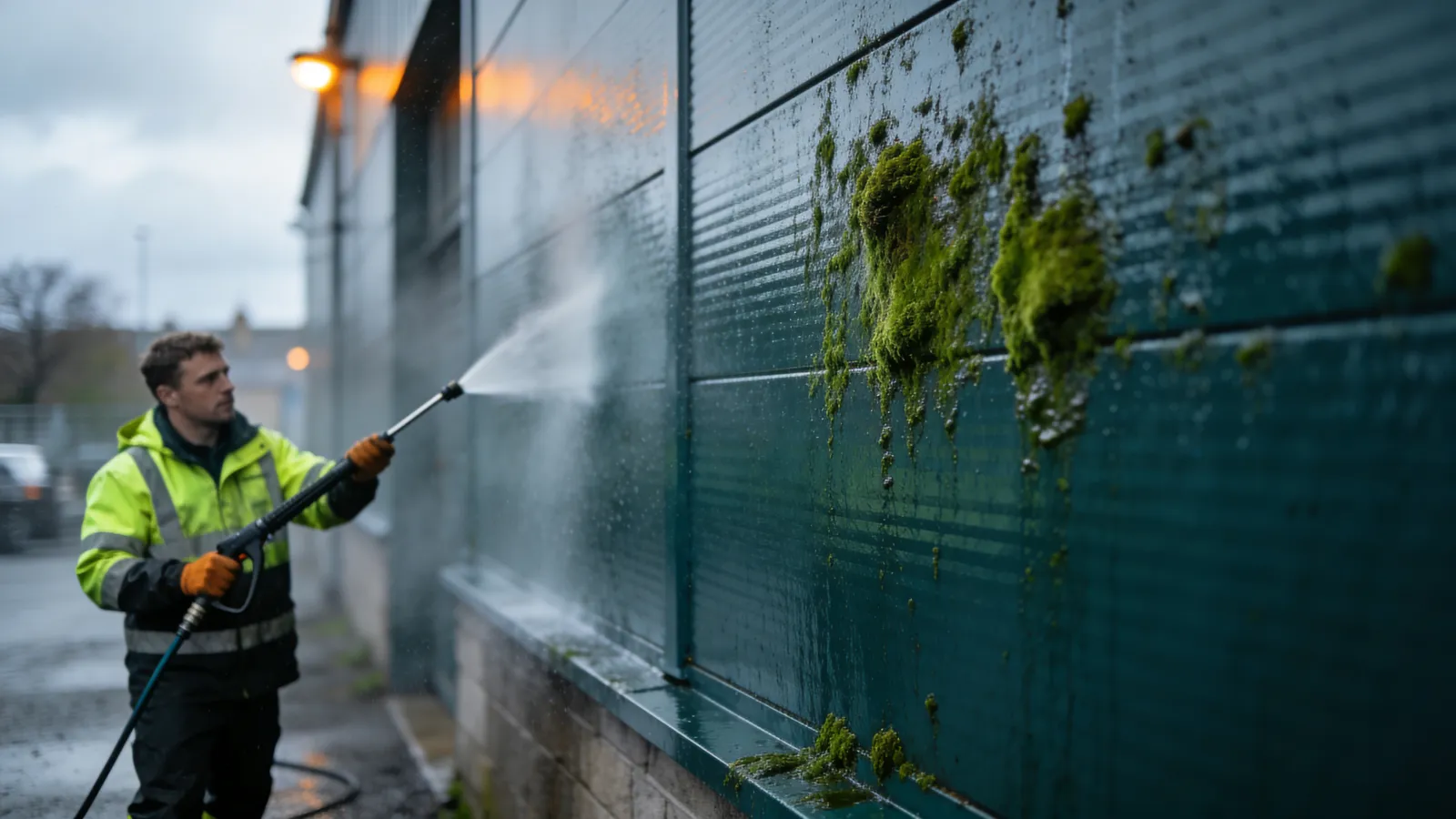
The roof, gutters and external walls are your first line of defence, and most winter failures trace back to water getting somewhere it should not. Autumn leaf fall is the main culprit, so clearing and inspecting before the worst weather is essential.
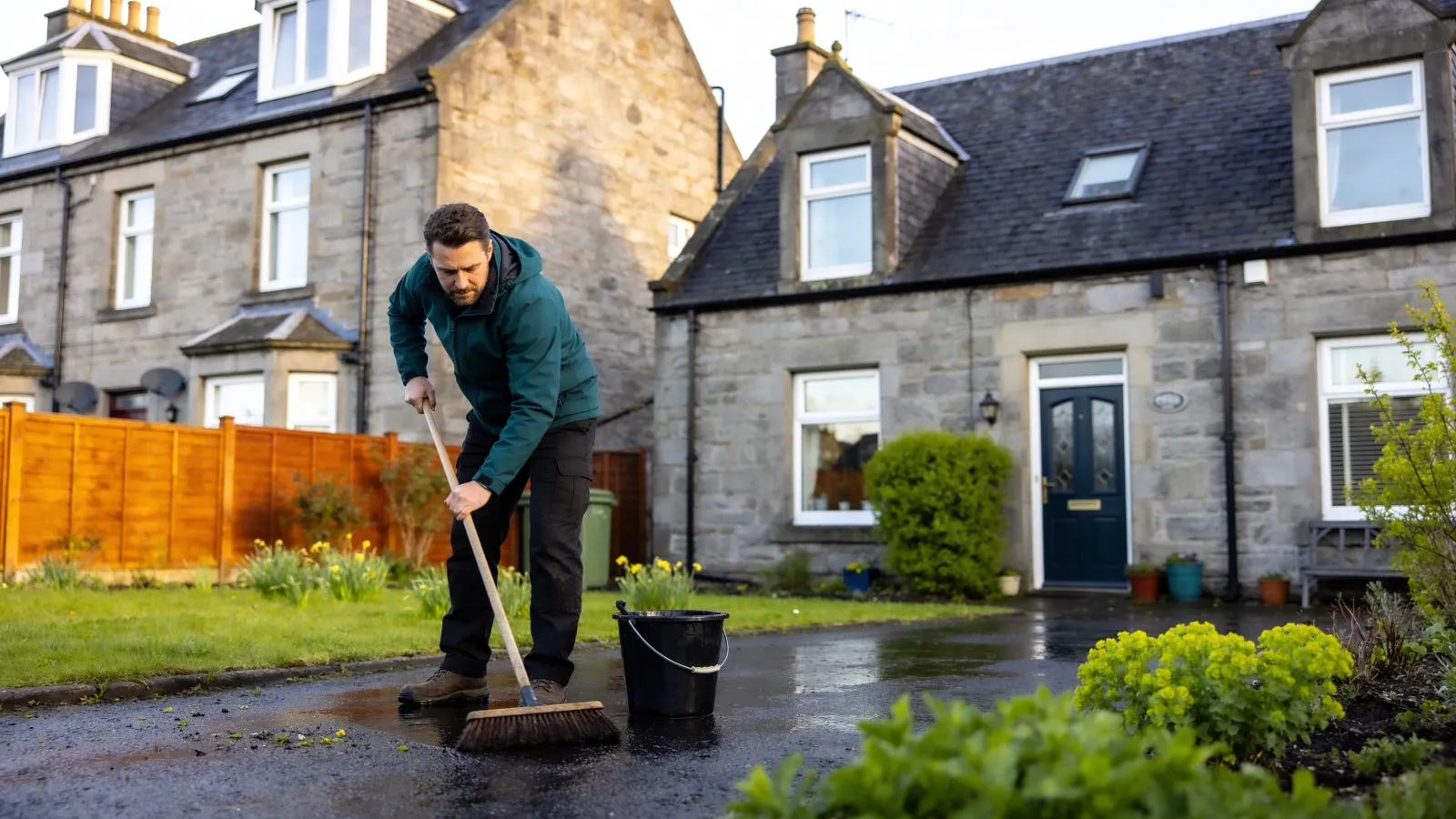
- Clear gutters, downpipes and gullies of leaves and debris, ideally twice between October and December
- Check flat roof outlets and flashings, where ponding water freezes and lifts seams
- Inspect for slipped or cracked tiles and slates, common on older Scottish stone buildings after summer movement
- Reseal any failing window and door perimeters to cut draughts and damp ingress
- Confirm that loft and roof void insulation is dry and undisturbed
A blocked downpipe that overflows in November can soak a wall for weeks before anyone notices the internal staining. Twenty minutes of clearance is far cheaper than the repair.
Protect pipes, heating and water systems
Frozen and burst pipes are the single most expensive winter claim on commercial property, and they almost always happen in unheated or poorly insulated areas: roof voids, external toilet blocks, plant rooms and stores. Scottish Water reports a clear spike in burst mains and internal leaks during cold snaps, particularly in the days after a thaw when frozen sections crack.
Book your heating service before the season starts rather than during the first cold week, when every engineer is fully booked. A boiler or commercial heating system that fails its first real test in January often waits days for parts. Specifically:
- Service boilers, plant and any gas appliances, and keep certificates current
- Lag exposed pipework and external taps, and check existing lagging has not perished
- Set frost protection on heating systems and confirm the thermostat holds a minimum overnight temperature, around 12 to 15 degrees in occupied buildings
- Locate and label the main stopcock so anyone on site can isolate the water supply fast
- Drain down any pipework serving vacant or seasonal areas
For buildings that close over the festive period, agree a plan for keeping the heating ticking over rather than switching it off entirely. A completely cold building is a magnet for frozen pipes.
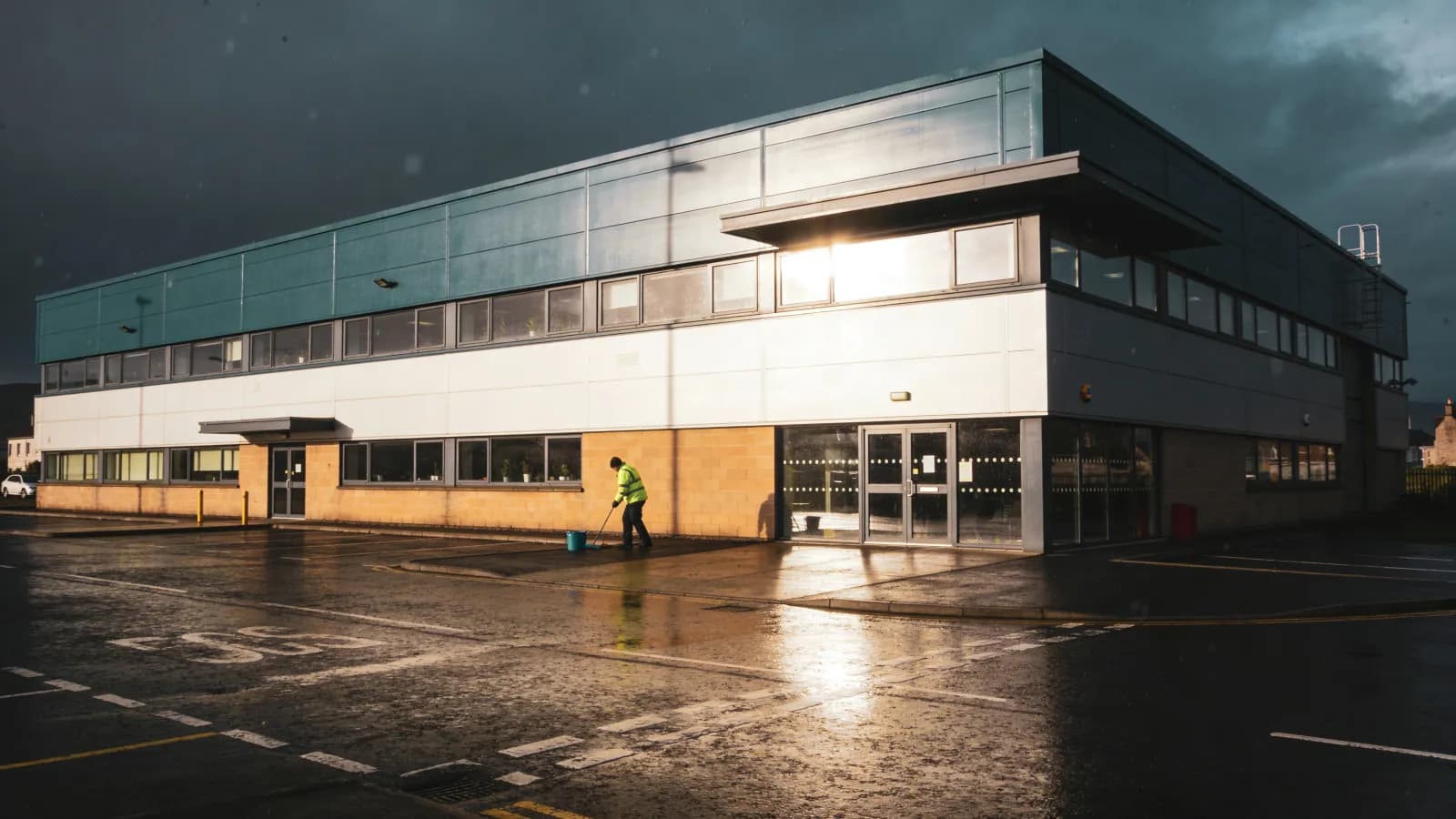
Make access safe: gritting, lighting and drainage
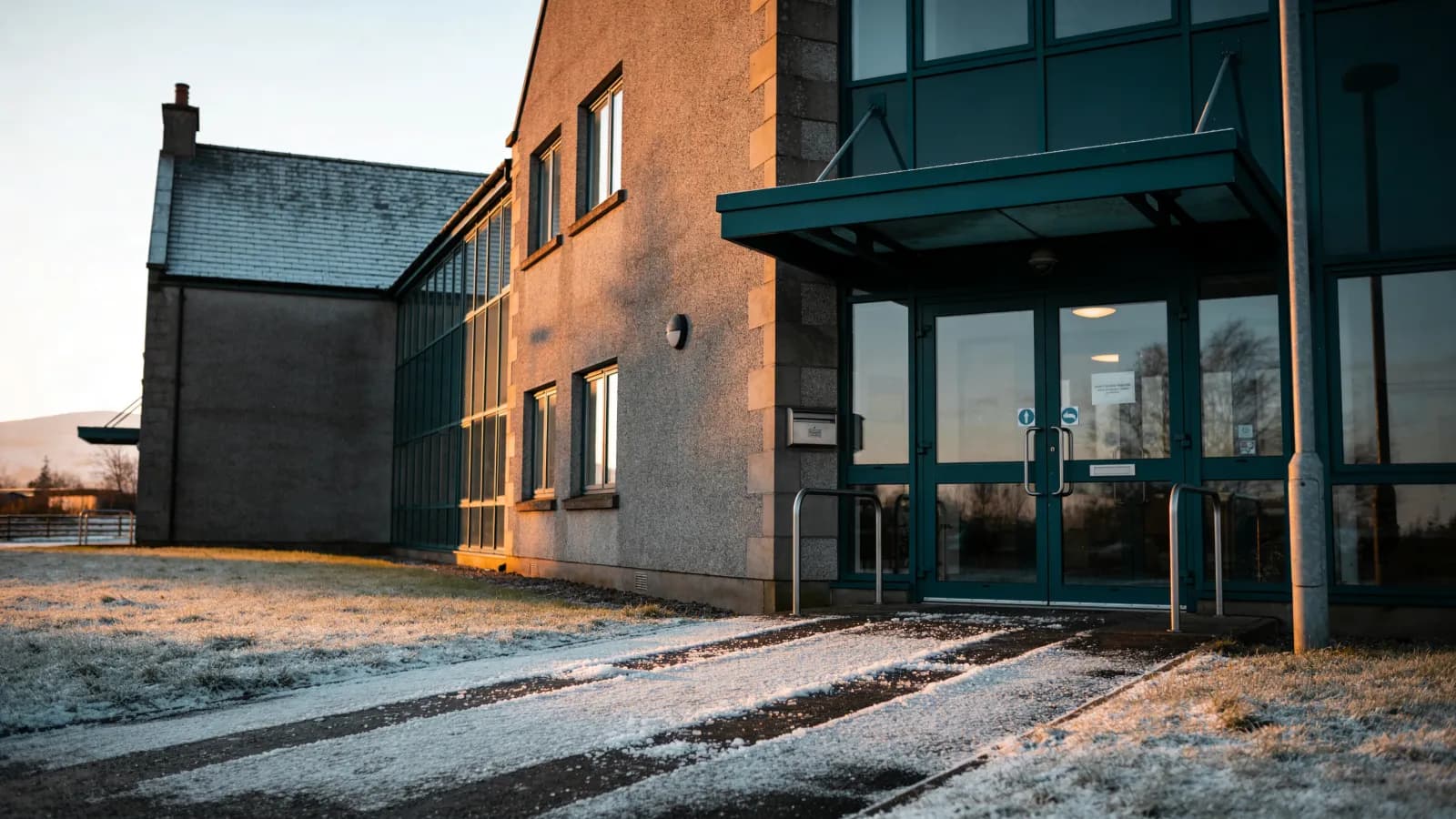
Slips and falls on icy ground are a real liability for any property where staff, customers or the public have access. Under the Occupiers Liability (Scotland) Act 1960, you have a duty to take reasonable care for the safety of people on your premises, and that includes managing predictable winter hazards. A documented gritting routine is both a safety measure and your evidence that you acted reasonably.
- Order grit and salt early, and check that bins and stores are full and accessible
- Map priority routes: main entrances, fire exits, car parks, ramps and steps
- Agree trigger points and timings, for example a pre dawn grit when frost is forecast below 1 degree
- Test external and emergency lighting now that dusk arrives by mid afternoon
- Clear and check surface drainage and channels so meltwater does not pool and refreeze
Keep a simple gritting log with dates, times and conditions. If a claim ever arises, that record matters.
Plan for the gaps: holidays and out of hours
Winter problems rarely wait for office hours. The festive shutdown is when many leaks and heating failures cause the most damage, simply because buildings sit unwatched for several days. Before you lock up, confirm who holds keys, who is on call, and how a contractor can get access at 2am on a holiday weekend.
This is where a single accountable partner earns its keep. Rather than chasing separate firms for plumbing, heating, gritting and repairs, ORVO Group coordinates the whole winter response under one point of contact. When something fails, you make one call, and the right trade is dispatched.
It is also worth walking the building once in early winter with fresh eyes. Note anything marginal: a slow drain, a sticking fire door, a flickering external light. These are the small faults that become emergencies once the temperature drops.
Get ahead of the season
The properties that sail through a Scottish winter are simply the ones that prepared in autumn. Book your heating service, clear your gutters, stock your grit and write down who does what when the cold arrives.
If you would rather hand the whole programme to one team, ORVO Group can carry out the inspections, planned maintenance and reactive cover that keep your property safe and open through the worst of the weather. Learn more about our seasonal service, or get in touch to put a winter plan in place before the first frost.