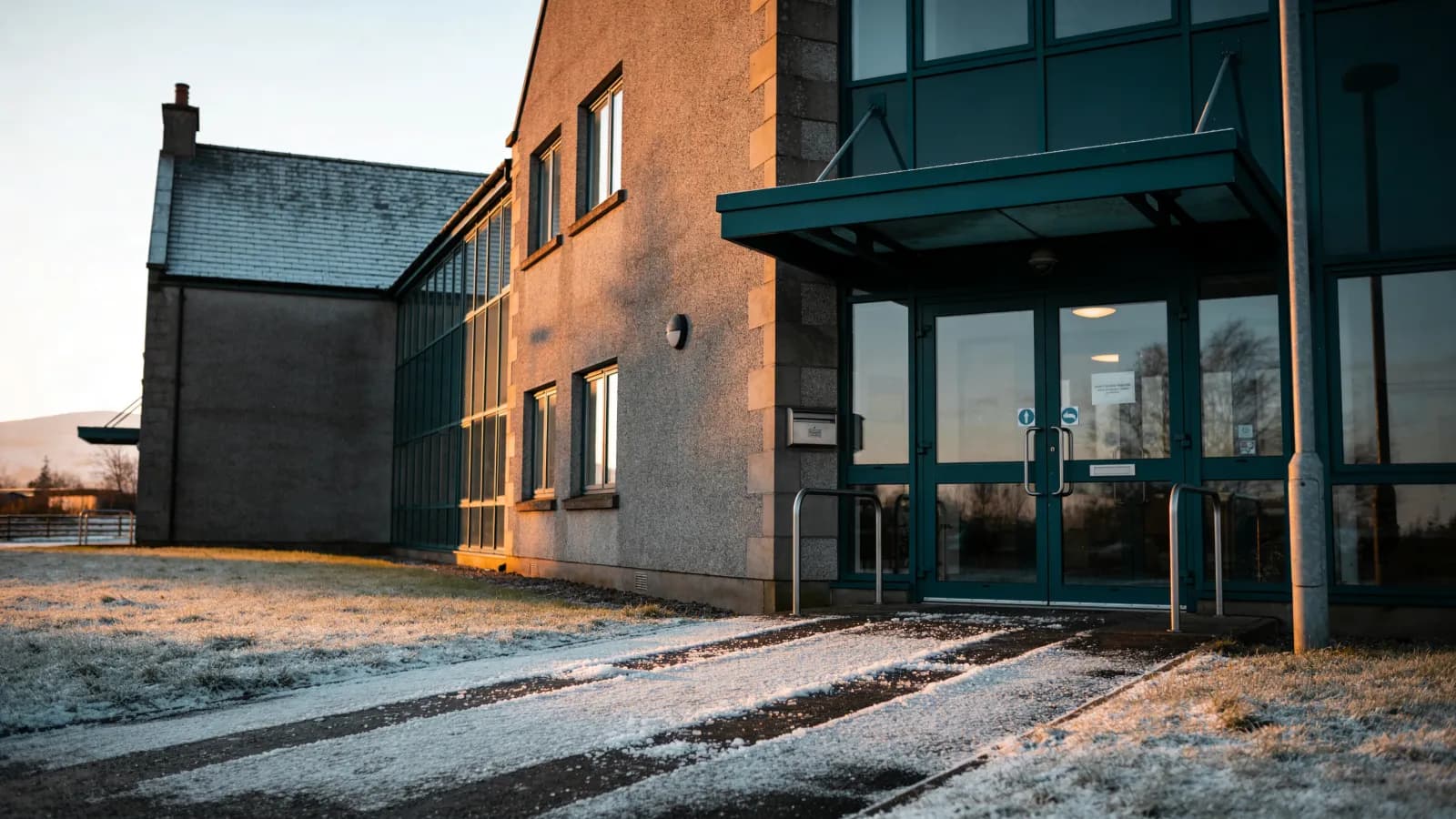
Autumn in Scotland is short and decisive. Leaves come down fast in late September and October, the first proper frosts often arrive in November, and the gap between mild and bitter can be a fortnight. The jobs you finish now are the ones you will not be doing in the dark, in the rain, with a tenant or a customer waiting. Below are five tasks worth booking in before the clocks go back, with the timeframes and the reasons that make them worth the effort.
1. Clear gutters and downpipes before the leaves finish falling
Blocked gutters are the single most common cause of damp problems we see over winter. When water cannot run off, it spills behind fascias, soaks into walls, and freezes in cracks. By the time a stain appears on a ceiling, the repair is far larger than a clearance would have been.
Time the job for late October or early November, once most of the leaves are down but before the first hard frost. Clearing too early simply means doing it twice. While the gutters are open, check that:
- Downpipes run freely all the way to the drain or gully.
- Joints and brackets are sound, not sagging or cracked.
- Outlets and hopper heads are not packed with moss or grit.
- Water from a flat or single-storey roof is actually reaching the outlet.
On taller commercial buildings this is access equipment and trained operatives, not a ladder and a hopeful afternoon. Build it into a planned visit rather than waiting for a leak.
2. Service the heating before you need it
The worst time to discover a boiler fault is the first cold morning, when every engineer in the area is already booked. A commercial heating system, or a domestic one in a let property, should be serviced annually, and autumn is the sensible window. Gas appliances must be checked by a Gas Safe registered engineer, and landlords have a legal duty to provide a valid Gas Safety Record for each let property every twelve months.
Beyond the statutory check, bleed radiators, confirm the system reaches temperature evenly, and look at the timer and thermostat settings before the building fills up again after the lighter months. A frozen condensate pipe is a frequent winter call-out and is easily prevented with lagging now.
3. Check drainage, gullies and external pipework
Scottish autumn rainfall is heavy and persistent, and surface water has to go somewhere. Walk the grounds and clear leaves from gullies, channel drains and yard gratings. Standing water near a building is a warning sign worth acting on.
Where pipework or outside taps are exposed, lag them or isolate and drain them before the temperature drops. A burst pipe over a holiday weekend, when the building is empty and unwatched, can run for days. Many of the larger insurance claims we see start exactly this way, and most were avoidable with an hour of preparation in October.
4. Inspect the roof and external fabric
You do not need to walk a roof to assess it. From ground level, or with a drone or a camera on a pole, look for slipped or missing slates, lifted flashing, blocked roof drains and any signs of moss holding moisture against the surface. Autumn gales test every weak point, and a single dislodged slate can let water into a roof void all winter.
While you are looking at the outside of the building, check:
- Seals around windows and doors for gaps that will let in wind-driven rain.
- Render and pointing for cracks where frost can get in and widen them.
- Fascias, soffits and bargeboards for rot or loose sections.
Small fixes now are cheap. The same defects after three months of freeze and thaw are not.
5. Cut back, tidy and prepare the grounds
Grounds work is easy to defer and quick to regret. Cut back overhanging branches before winter storms turn them into a hazard near footpaths, parking and power lines. Give the lawns a final cut, clear leaves from paths and entrances where they become a genuine slip risk when wet, and lift leaves off drains so they do not wash into the gullies you just cleared.
This is also the moment to check external lighting, because the dark afternoons arrive quickly. A car park or entrance that felt fine in August can feel unsafe by half past four in November. Replace failed lamps and confirm sensors and timers are set for the shorter days.
Plan it once, not five times
The thread running through all five jobs is timing. Done together on a single planned visit in October or early November, they cost less and cause less disruption than five separate emergencies across the winter. A coordinated approach also means one point of contact and one accountable partner, rather than chasing a different trade for every task.
At ORVO Group we handle these seasonal jobs across Scotland as a single piece of work, so nothing falls between the gaps. If you would like a plan for your property before the weather turns, take a look at our seasonal service or get in touch and we will talk it through.