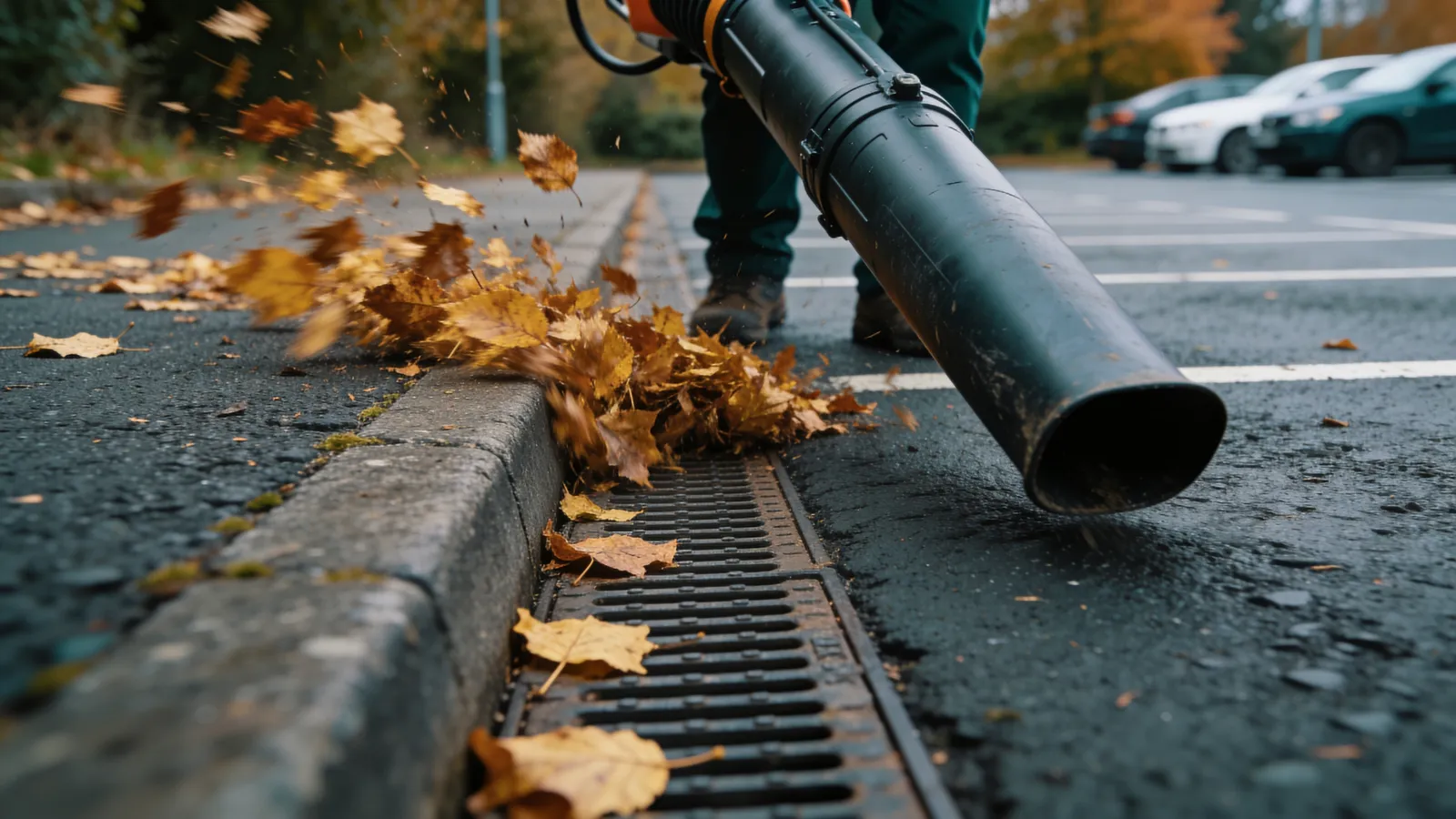
Grounds maintenance in Scotland is a year round job, not a summer one. The growing season is shorter than further south, the rainfall is heavier, and winter arrives early and lingers. A site that looks tidy in July can become a liability by November if nobody has planned for leaf fall, frost, and shorter daylight. The answer is a calendar that spreads the work sensibly across the year so nothing gets missed and budgets stay predictable.
Below is a season by season plan you can adapt to your own site, whether that is a retail park in Glasgow, an office campus in Aberdeen, or a residential block managed by a property factor.
Spring: March to May
Spring is when the site wakes up, and the work is mostly about preparation and the first cuts. In central and lowland Scotland, grass typically starts active growth from mid to late March, though it can be a fortnight later in the Highlands and on exposed coastal sites.
- Carry out a full site walk to log winter damage: broken kerbs, scoured drainage channels, dead shrubs, and slipped gravel.
- Begin the first grass cut once the ground is dry enough to take a mower without rutting, usually early to mid April.
- Apply a spring fertiliser to lawns and verges, and treat moss, which thrives in the damp Scottish climate.
- Cut back herbaceous beds, mulch borders to suppress weeds, and prune late flowering shrubs.
- Service and sharpen mowing equipment before the season ramps up.
This is also the time to check that drainage cleared during winter is still running freely. Blocked gullies cause most of the standing water complaints we see in spring.
Summer: June to August
Summer is the busy growing period, and the priority shifts to regular, consistent upkeep rather than big set piece jobs. Grass on a managed commercial site usually needs cutting every seven to ten days through June and July, dropping back as growth slows in late August.
Keep edges and hard surfaces sharp, because crisp lines do more for how a site looks than almost anything else. Hedges generally take their main cut from late June onward, once nesting birds have moved on, which also keeps you on the right side of the Wildlife and Countryside Act 1981. Stay on top of weeds in car parks and footpaths, water any new planting through dry spells, and deadhead seasonal bedding to keep displays going.
Summer is the natural window for larger projects too, such as resurfacing paths, renewing planting schemes, or installing irrigation. Dry, settled weather is never guaranteed in a Scottish summer, so book this work early and keep some flexibility in the schedule.
Autumn: September to November
Autumn is the most underrated season, and getting it right prevents most winter problems. Leaf fall is the headline task. Wet leaves on paths, steps, and car parks are a genuine slip hazard, and they block drains fast. On any site with mature trees, plan for clearance every week or two from late September through November.
- Make a final grass cut, slightly higher than summer, usually in late October or early November.
- Aerate and scarify lawns to relieve compaction before winter sets in.
- Clear gutters, gullies, and drainage channels of leaves and silt.
- Cut back perennials, plant spring bulbs, and carry out any tree work while leaves make problems easy to spot.
- Check and refill grit bins, and confirm your winter gritting arrangements are in place.
Autumn is when a single accountable partner earns its keep, because leaf clearance, drainage, and winter readiness all overlap. ORVO Group plans these together so a site is genuinely ready before the first hard frost rather than scrambling afterward.
Winter: December to February
Winter grounds work is about safety and protection rather than growth. The dominant task across most of Scotland is keeping access safe. Met Office data shows much of central Scotland sees frost on a large share of winter nights, so reliable gritting and snow clearance for car parks, footpaths, and entrances is essential, not optional. Agree trigger temperatures and response times in advance, and keep a log of every visit for your own liability records.
Beyond gritting, use the quiet period for structural work: hard pruning of dormant trees and shrubs, fence and gate repairs, repainting railings, and clearing overgrown boundaries. It is also the right time to review the year just gone and plan the next one, including the budget. Winter daylight is short, so schedule tasks that need light early in the day.
Planning the year as one piece
The point of a calendar is that the seasons connect. Skip autumn drainage and you get winter flooding. Miss the spring moss treatment and lawns struggle all summer. Treating grounds maintenance as twelve linked months, rather than occasional reactive visits, keeps a site safe, presentable, and cheaper to run over time.
If you would rather hand the whole calendar to one team, take a look at our grounds maintenance service or get in touch for a site visit and a plan built around your property.